





HIGH PARK | GRADE 3/4 SPLIT
BEE CONSERVATION & BEESWAX WRAPS
We’ve had such an incredible year of learning around conservation here at High Park. My students in grade 3/4 chose bees for our focus, and several of our projects have explored this in meaningful and memorable ways.
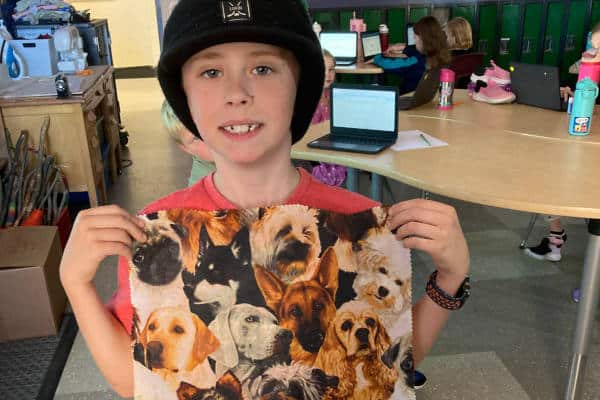
In September, we started making beeswax wraps for our lunches in order to cut down on plastic going into the garbage. Each student either brought in a piece of cloth or selected one from class and ironed it between parchment with beeswax to embed it with wax and make it waterproof. They started using these in their lunches right away and to date we have prevented 260 ziploc bags from going into landfills. Students continue to use these each day and they last for years.
We had an in-class field trip in which we built bee houses for solitary bees. This was a challenge but helped so many students go from I can’t to I can with building. We learned about the importance of providing space for solitary bees to lay eggs in that they bring diverse pollens from faraway places.
For Mother’s Day, we learned to sew felt drawstring pouches and filled them with wildflower seeds that specifically support bees and other pollinating insects. This gift of a garden is sweet for Moms and further provides pollen and nectar for bees.
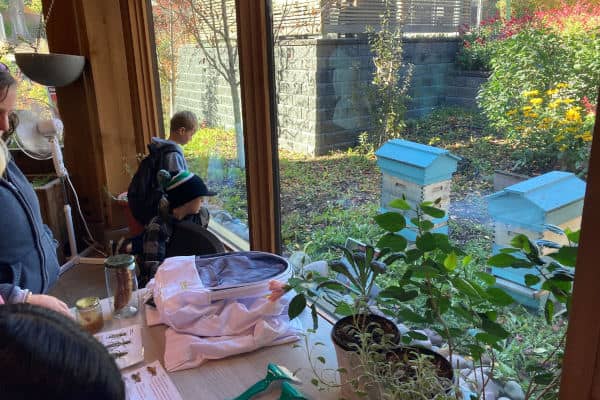
We also have scheduled some Pirates to join us! We learned that that is the nickname for beekeepers when we visited the Valley Zoo in the Fall. Two beekeepers are coming to visit our class to teach us about what it’s like raising bees in the city of Edmonton in their backyard. They will bring frames of honeycomb, a suit, some dead bees, and other items for this special lesson.
We would like to extend our profound gratitude to the Valley Zoo Development Society for our trip to the zoo last Fall. We would also like to say thank you to The Melton Foundation for their support of this program. This experience has been such a memorable one for our students, and we will continue to consider the bees now that we can see just how important they are in our ecosystem.
THIS CONSERVATION PROJECT WAS MADE POSSIBLE BY THE
MELTON FOUNDATION.