Sifton School | Grade 1

PAY IT FORWARD


2026 CONSERVATION PROJECT 
Sifton School | Grade 1

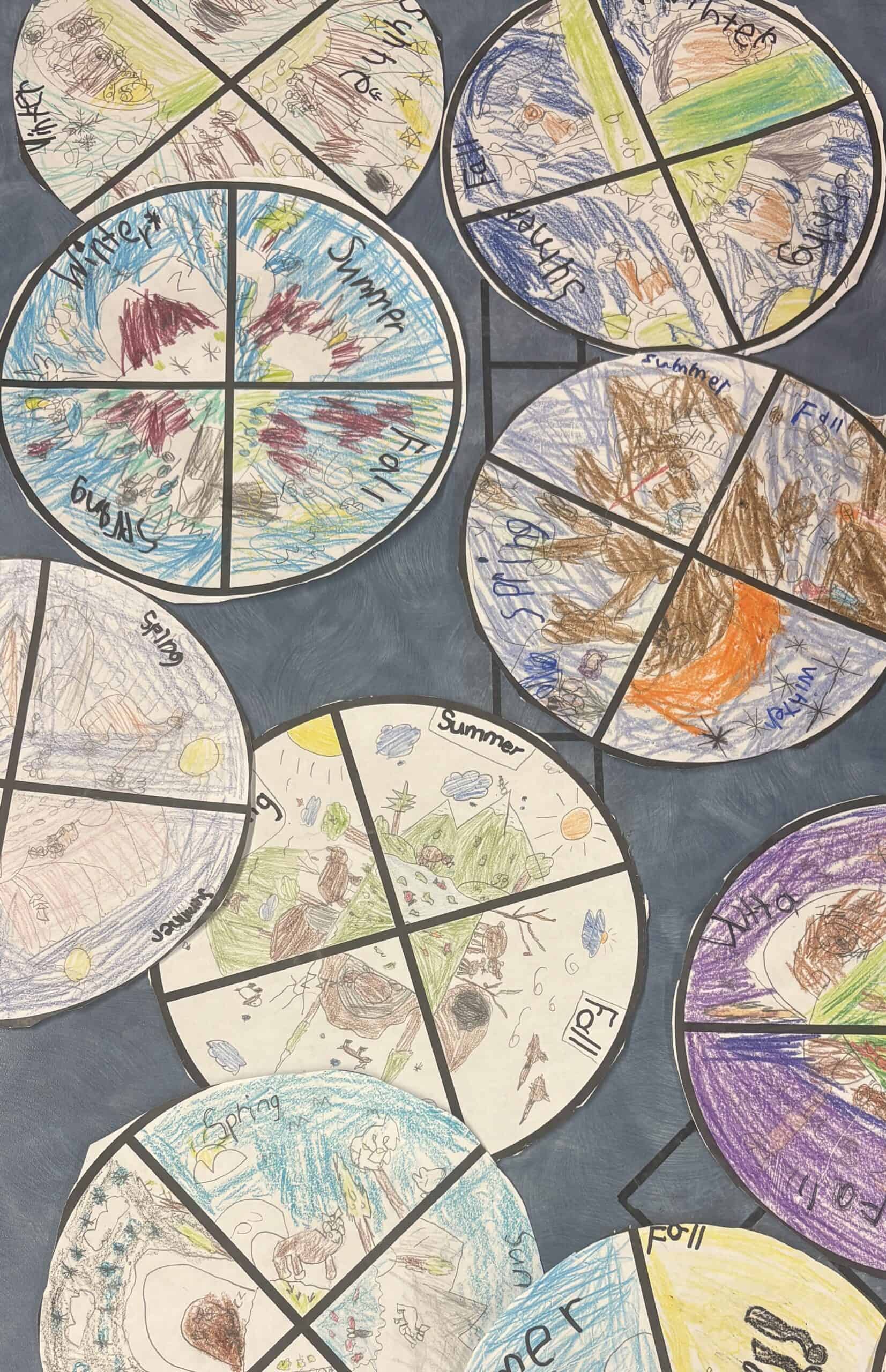
A Grizzly Bear Through the Seasons

In grade 1, we explored the characteristics of four seasons and investigated the behavioural effects it has on a grizzly bear. We talked about what a grizzly bear needs to survive the four seasons and how hibernation and a change in their diet can affect how they act. The students had a great time discovering about the adaptations grizzly bears go through. Each week a new season became the focus and we exploded how that season impacts a grizzly bear.

Through read-alouds, videos, and discussions students were able to learn how each season goes through a change in their appearance and what happens to the grizzly bear through the changing climates. After learning about a new season, students would pull out their hands-on project which is a four-section seasonal wheel. Each guided drawing activity students would be drawing a grizzly bear within that seasonal environment. Once we completed the wheel students got to colour the images to better represent the seasons and the environment the bear lives in during those time periods.

Students then got to cut out their circles and add a cover page where they could spin it around a new season. The Pay It Forward Program was an amazing experience that helped students expand their understanding of seasonal change and animal adaptations, especially for seasons, such as winter.

THIS CONSERVATION PROJECT WAS MADE POSSIBLE BY

Edmonton Host Lions Club
 

Nellie Carlson | Interactions 1-6

PAY IT FORWARD


2026 CONSERVATION PROJECT 

Nellie Carlson | Interactions 1-6

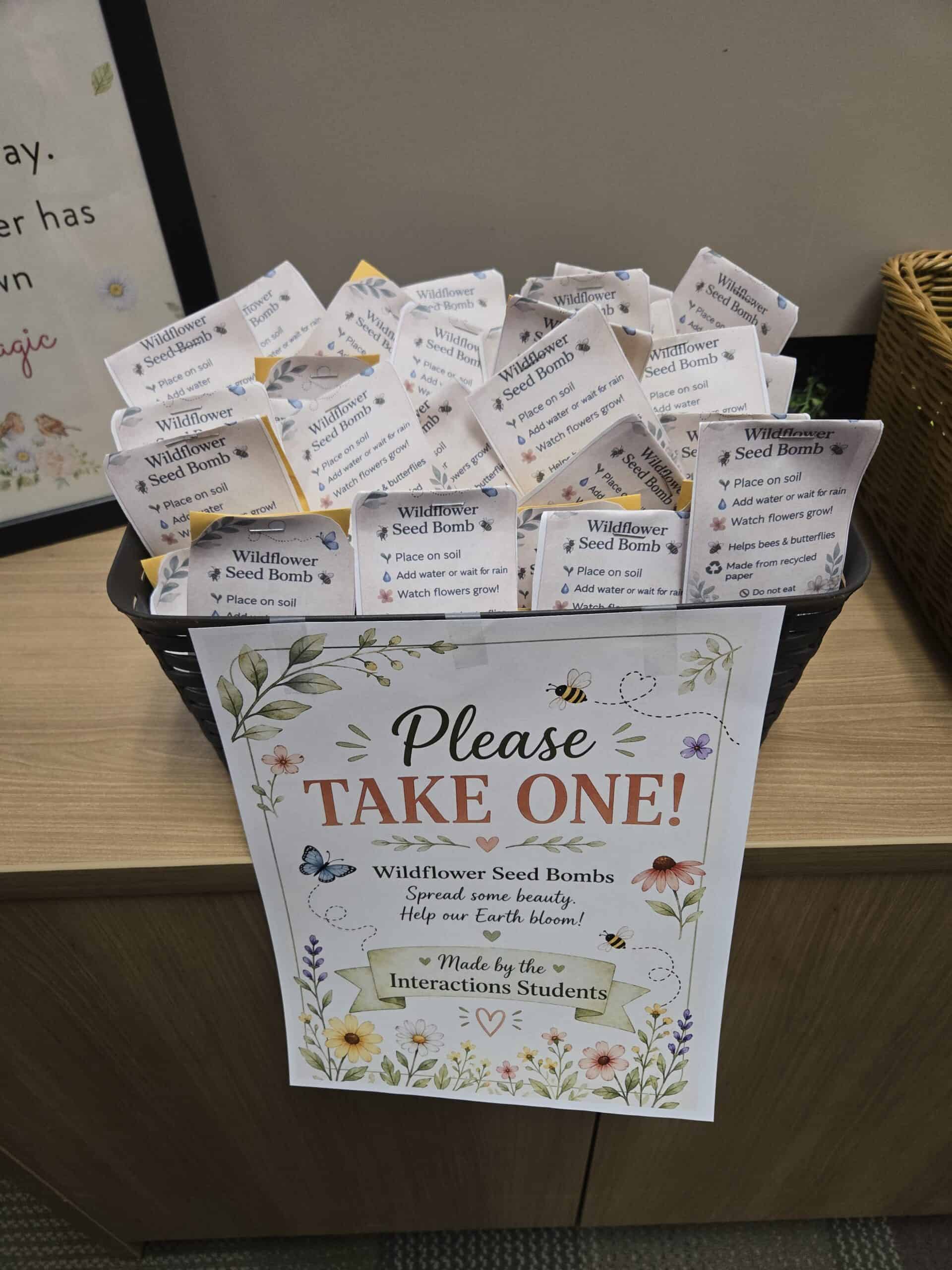
Growing Kindness: Students Supporting Pollinators

Our Interactions class, consisting of students in Grades 1–6 with autism, participated in an environmental learning project focused on pollinators and their importance to our ecosystem. The purpose of this project was to build student understanding of how pollinators such as bees and butterflies support plant growth, food production, and overall environmental health, while also providing an opportunity for students to contribute meaningfully to their school community.

Through adapted, hands on lessons using visuals, repetition, and discussion, all students were able to access and engage with the learning in ways that met their diverse communication and sensory needs. As part of the process, students created wildflower seed bombs using recycled paper, water, and seeds. They participated in each step, including tearing and soaking paper, mixing materials, forming seed balls, and allowing them to dry, supporting the development of fine motor, sensory, and collaborative skills. Students then helped package the seed bombs and proudly delivered them to classrooms throughout the school, along with simple, student-friendly instructions explaining how to use them and how pollinators support people, plants, and other living things.

The outcomes of this project included increased student engagement, strengthened communication and cooperation skills, and a strong sense of pride and contribution. Students were excited to share their learning and recognized that their actions could make a positive difference in the environment.

This project also supported cross curricular outcomes in science and literacy, while fostering environmental stewardship within the school community. Its impact will continue over time as the planted wildflowers grow and support local pollinators, encouraging ongoing awareness and care for our natural environment.

THIS CONSERVATION PROJECT WAS MADE POSSIBLE BY
Cathy FLood

Inglewood School | Grade 1

PAY IT FORWARD


2026 CONSERVATION PROJECT 

Inglewood School | Grade 1

Alberta Environments Dioramas

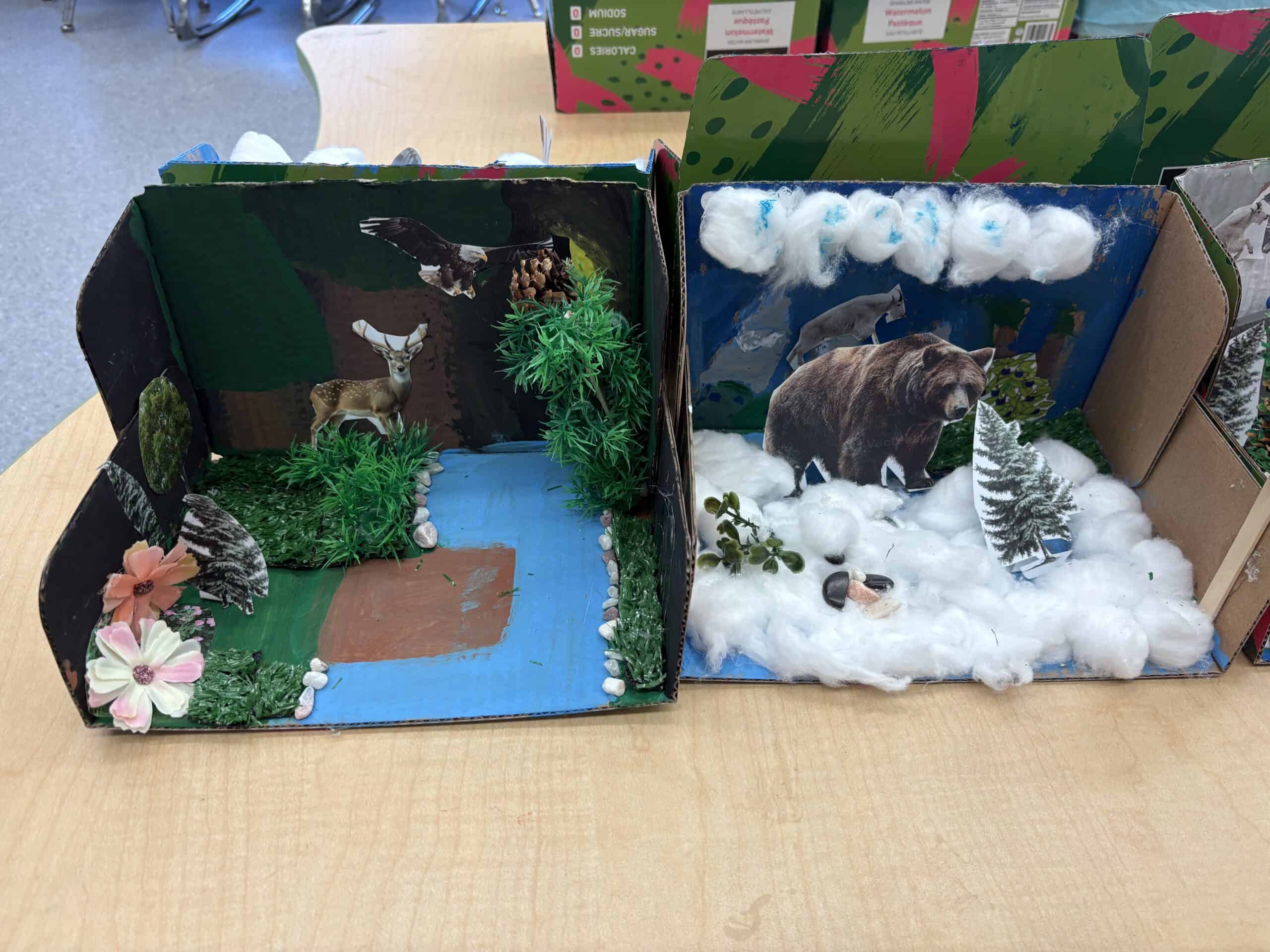
Our students recently went on an exciting journey to discover the amazing natural world right here in Alberta. We spent time exploring four main types of environments that make our province so special: the tall mountains, the wide-open prairies, the thick forests, and the busy lakes and rivers. The students learned that each of these places has its own special "personality," with different weather, plants, and animals that call them home. For example, they discovered how animals in the mountains need thick fur to stay warm, while plants on the prairies need long roots to find water in the dry soil. After becoming experts on these landscapes, it was time for the students to show what they learned through a creative art project.

We turned the classroom into a workshop where everyone planned and built their very own dioramas. To be kind to the earth, we used recycled cardboard boxes as the base for our projects. This was a great way for students to see how "trash" like old cereal boxes or delivery packages could be turned into something beautiful and educational. They had to think like engineers to make sure their cardboard mountains stood tall and their riverbeds looked deep. To bring the scenes to life, the students used all sorts of different art supplies. They used blue paper and shiny materials to create sparkling rivers, and they used green sponges or twigs to make miniature forests. Some students used clay to mold tiny grizzly bears for their mountain scenes, while others used yellow grass and cotton-ball clouds to show a sunny day on the prairies.

This part of the project helped them remember which animals belong in which home, like making sure a trout was in the river and not in the middle of a forest! By the time the projects were finished, the classroom looked like a mini-version of Alberta. Through this project, the students didn't just learn facts from a book; they got to use their hands and their imaginations to explore the world around them. They learned that all these different environments work together to keep Alberta healthy, and they felt proud to show off their hard work. It was a wonderful way to connect science with art and to help the students appreciate the beautiful province we live in.

THIS CONSERVATION PROJECT WAS MADE POSSIBLE BY
UNION 52 BENEVOLENT SOCIETY.

St. Alphonsus | Kindergarten

PAY IT FORWARD


2026 CONSERVATION PROJECT 

St. Alphonsus | Kindergarten

Animal Environments

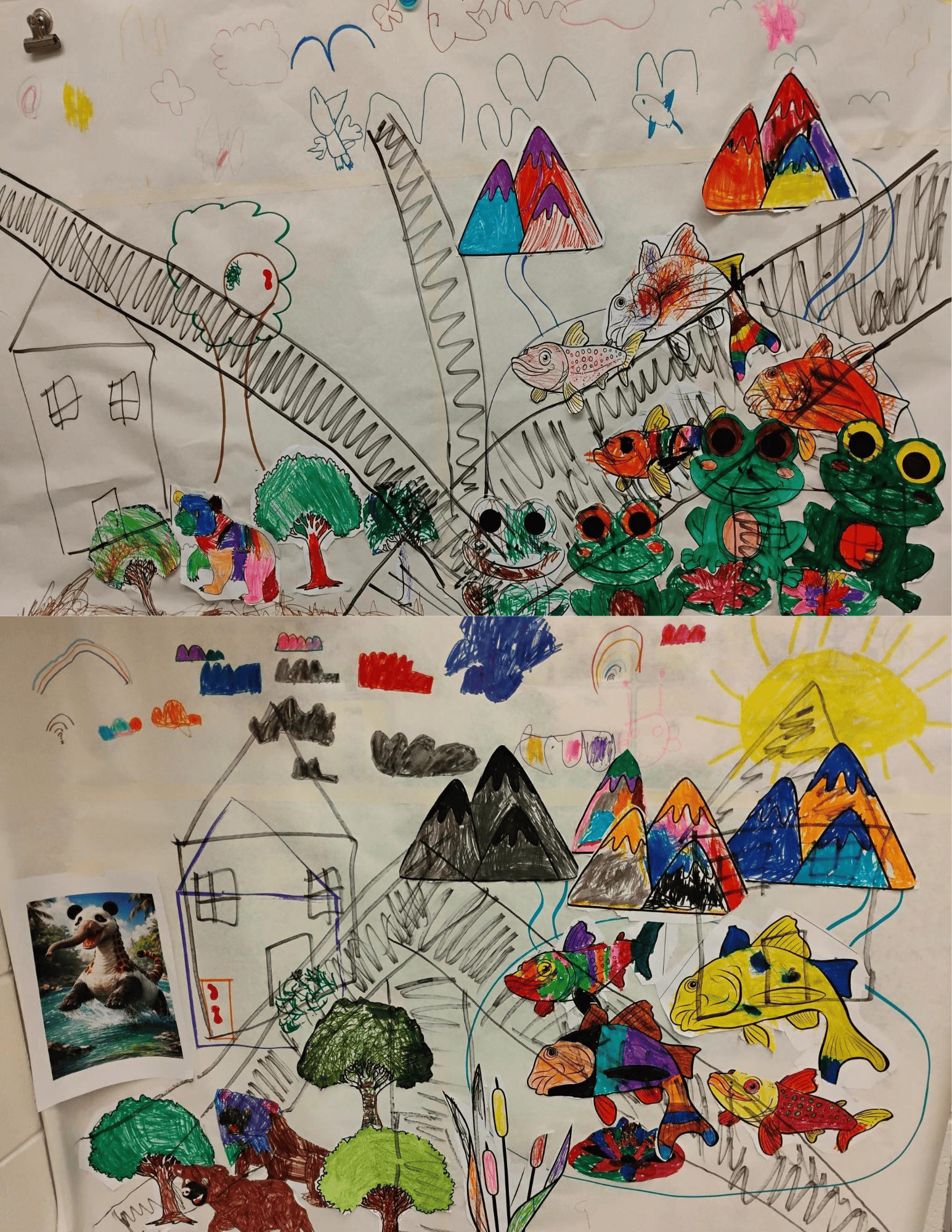
We created animals and the environment we thought it would need.For this we coloured pictures of animals we thought our animal might eat, or be living around the area our animal did.

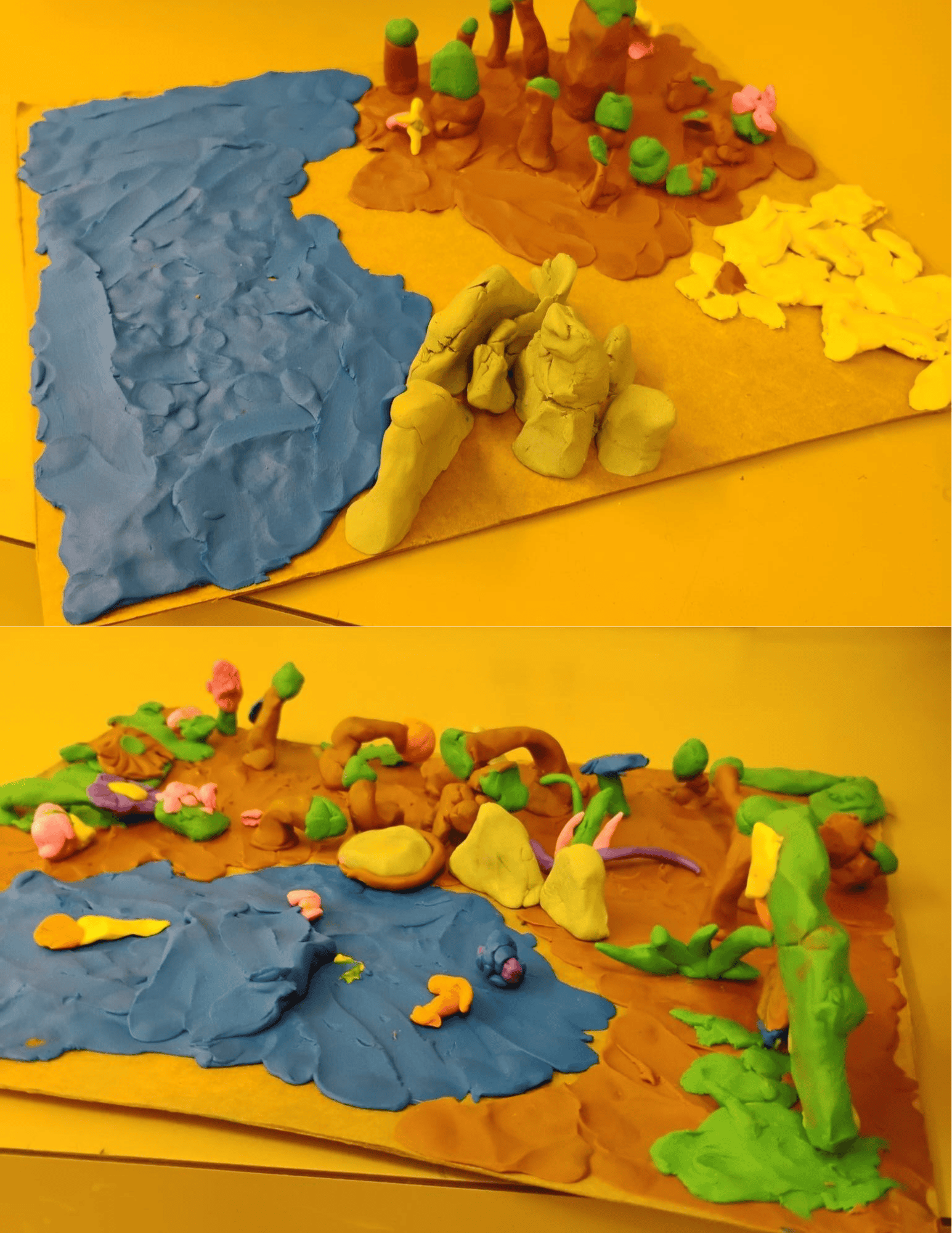
We then glued it onto a really big paper and drew trees and sun and other things we need. Humans then came and destroyed our animal's environment and we talked about what happens when we as humans don't think about the animals living in the area. We then created a new environment using plasticine to show how we can make sure to keep animals safe with a home and have humans there as well.

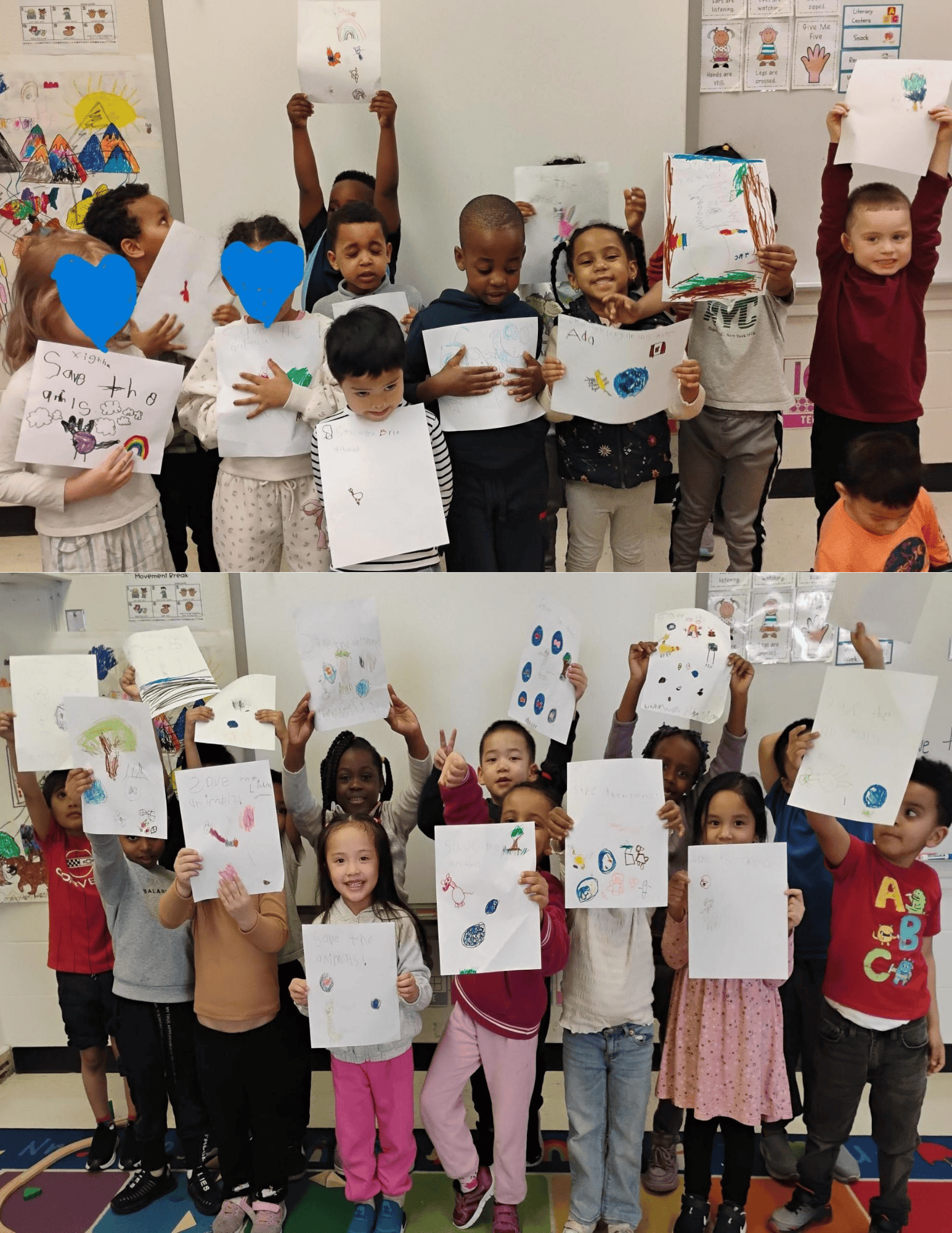
The students then created posters to remind people to keep animals safe with food, water and a home.

We learned how and why animals move, what animals and humans need to live, how environments need to be taken care of and ways we can do that. How to be respectful of environments, such as no bad water, and keeping garbage out of our woods and animal homes, and what is included in an environment for an animal or human.

THIS CONSERVATION PROJECT WAS MADE POSSIBLE BY
Field Law Community Fund

Ecole Bellevue | Kindergarten

PAY IT FORWARD


2026 CONSERVATION PROJECT 

Ecole Bellevue | Kindergarten

Oil Spill Challenge

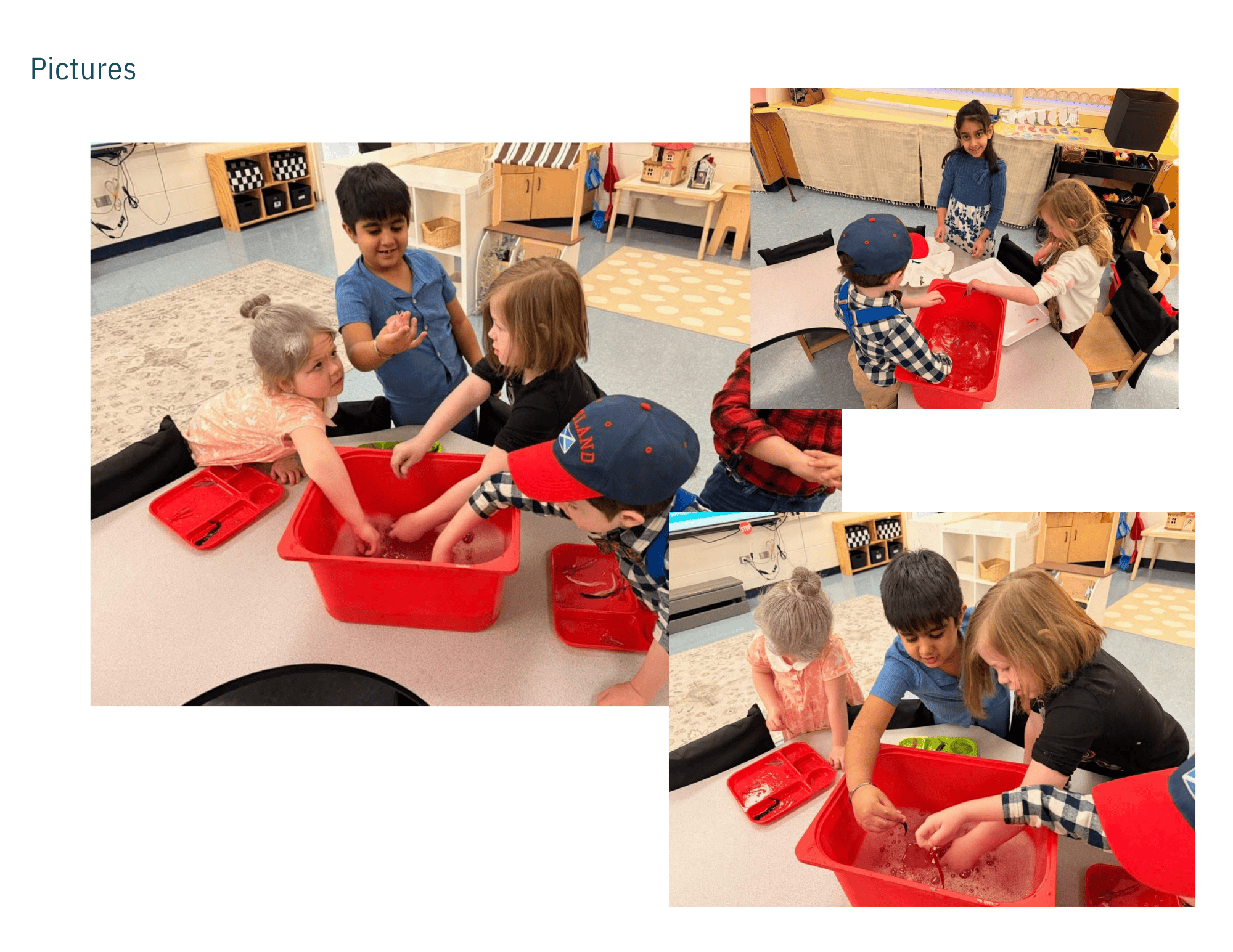
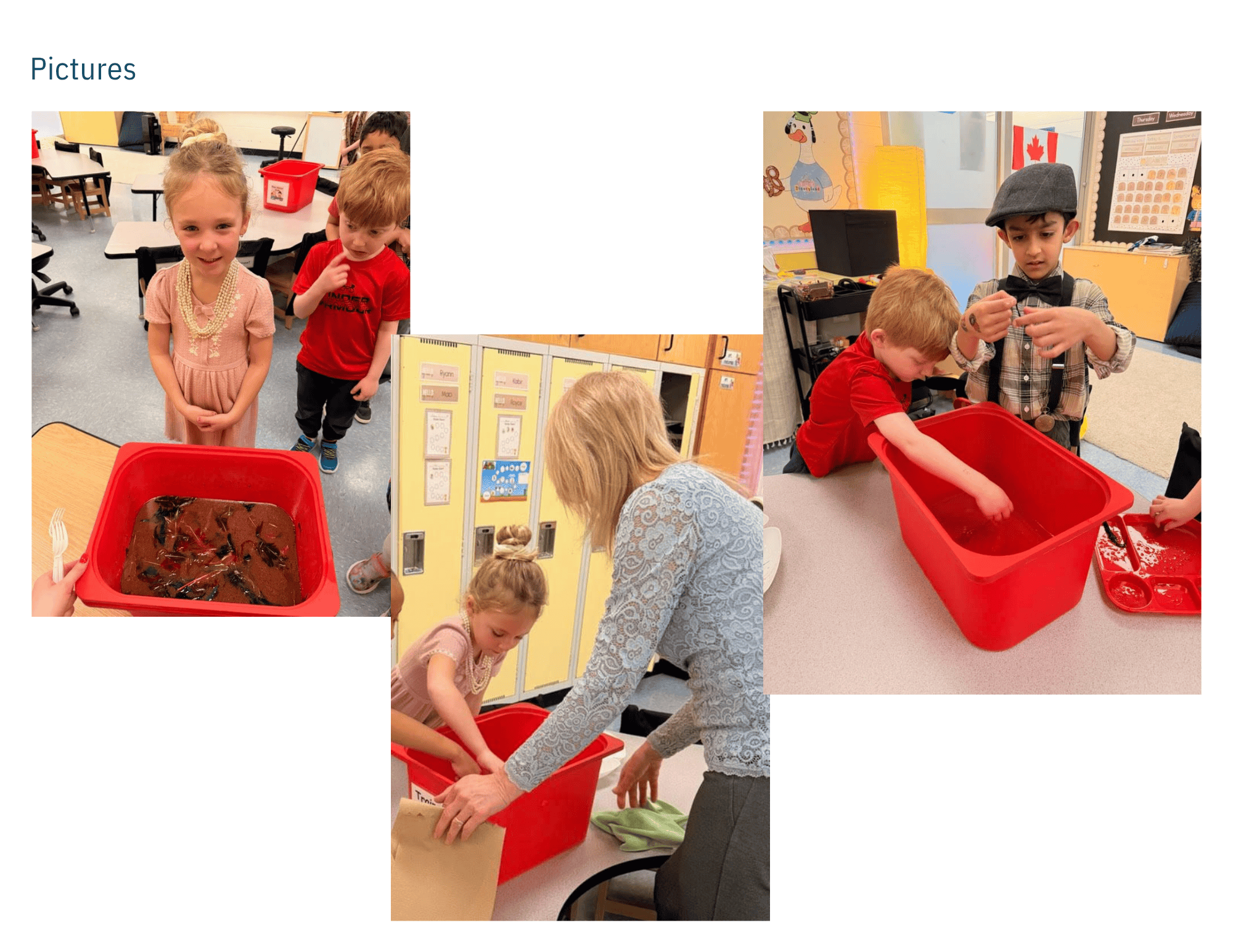
Students learned about the impact of oil spills in the environment through a hands-on activity. Students will work in small groups to try to “clean up” a pretend oil spill using different feathers.

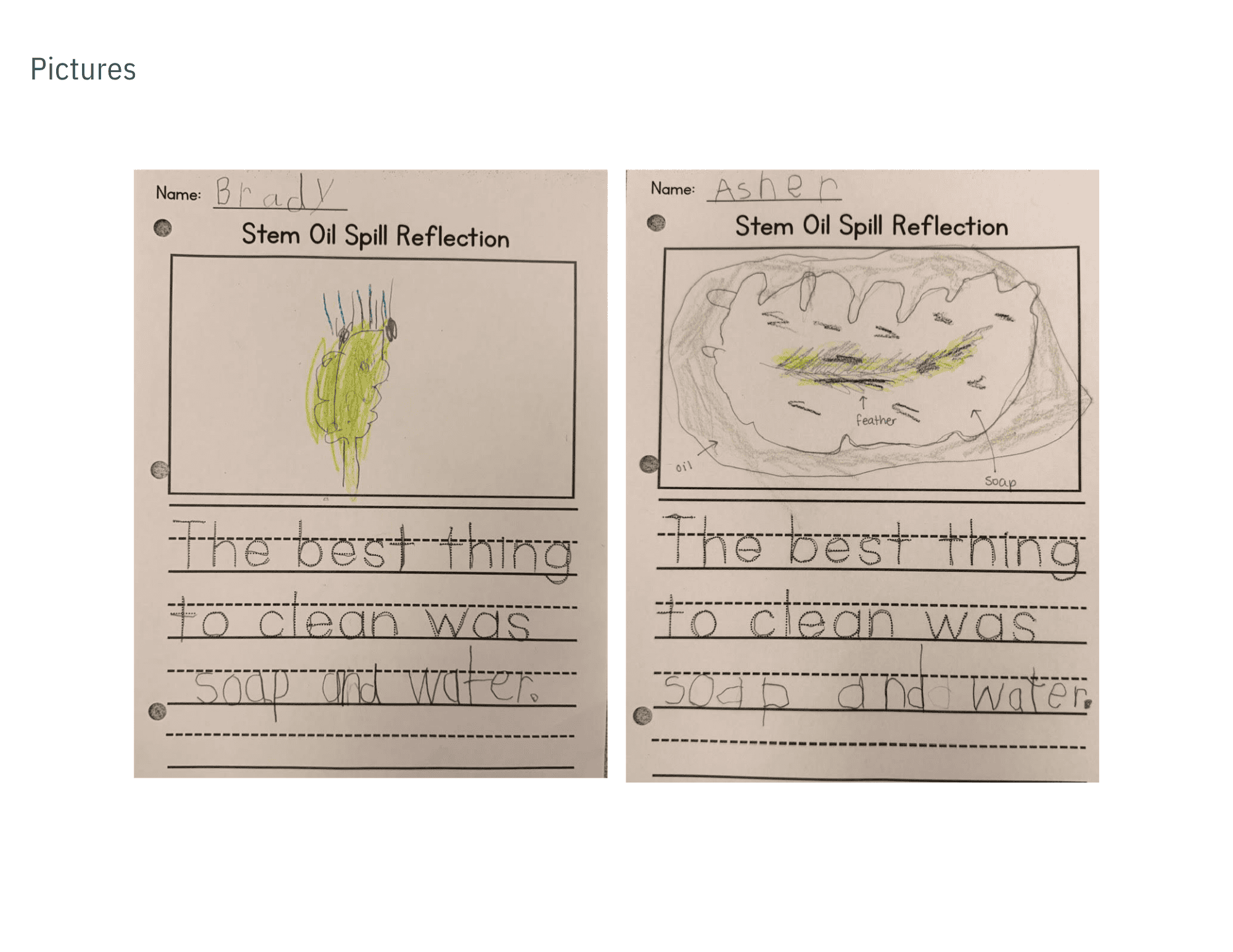
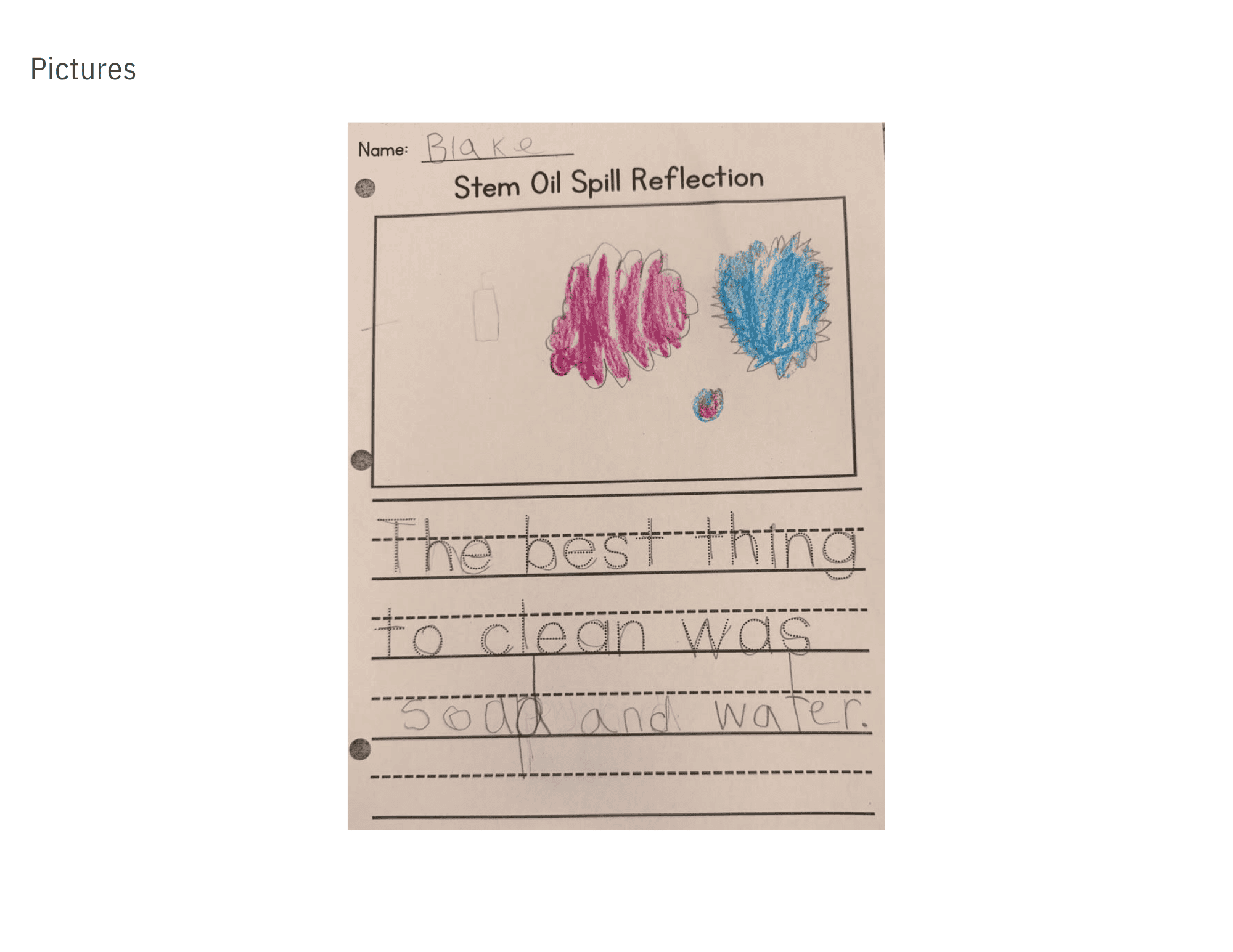
They discovered what works best (cleaning in a bucket of water & vinegar/warm water/water and dish soap).

We finished with a short class discussion and reflection where students can share what they tried, what worked, and how we can all help take care of the Earth. The goal is to build awareness, teamwork, and early problem-solving skills.

THIS CONSERVATION PROJECT WAS MADE POSSIBLE BY
UNION 52 BENEVOLENT SOCIETY.

Westmount School | Grade 7

PAY IT FORWARD


2026 CONSERVATION PROJECT 

Westmount School | Grade 7

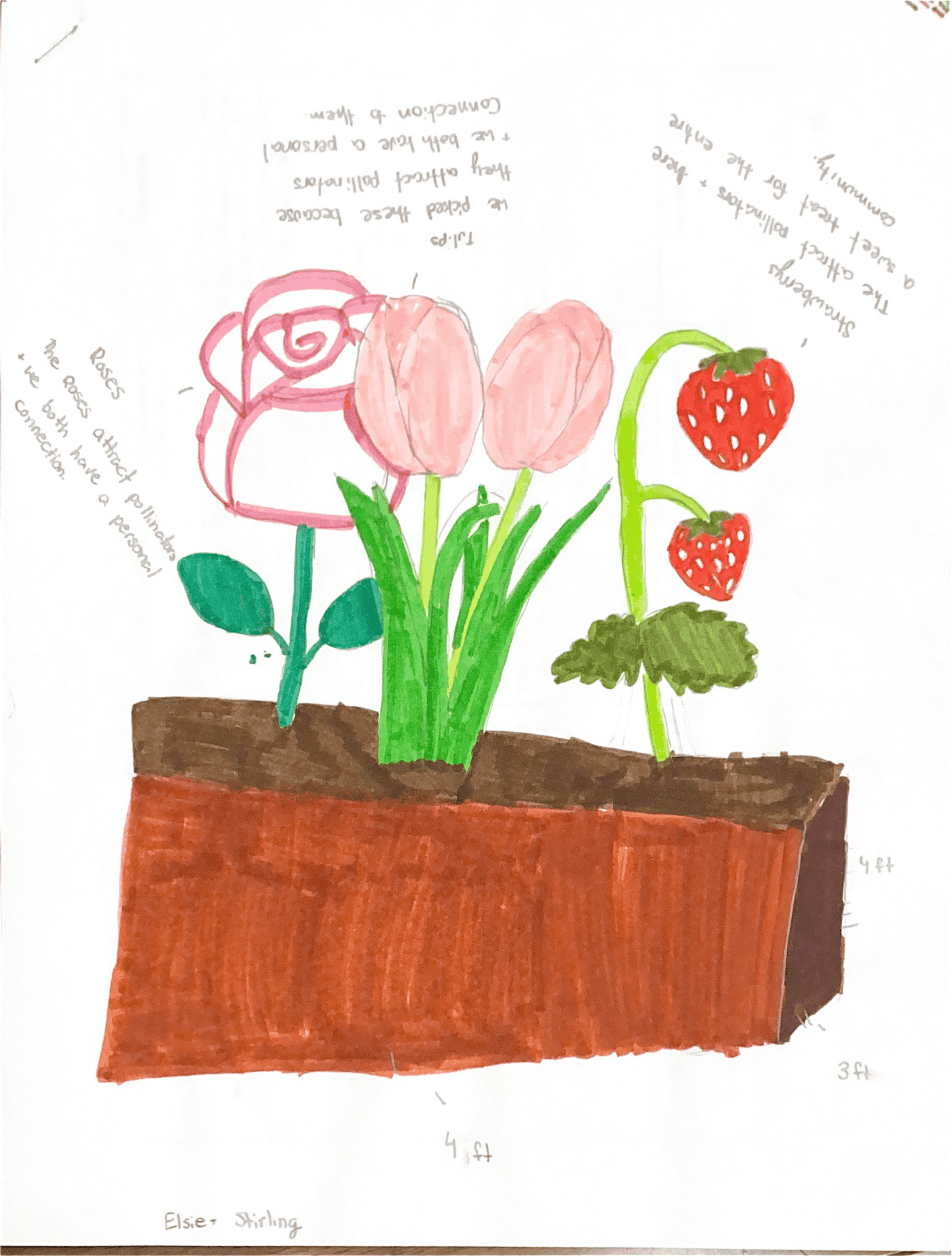
School Planter Design.

Students explored a variety of microhabitats around the school grounds—such as the garden, wooded areas, and high-traffic zones—to observe and document local plant and animal life.

They analyzed biodiversity levels, identified signs of ecological succession, and proposed strategies to enhance habitat health. Following their investigation, students collaboratively designed a plan and map to address any ecological concerns and promote biodiversity through the creation of new garden beds. This phase included drafting preliminary blueprints (an opportunity for cross curricular connections to math through measurement and spatial design).

As a teacher Iearned that even projects that seem small can have a big impact. The project highlighted how student creativity can be engaged and celebrated through a strength-based approach, allowing students to build on their own skills and interests.

THIS CONSERVATION PROJECT WAS MADE POSSIBLE BY
UNION 52 BENEVOLENT SOCIETY.