Alder Academy Early Learning Society | Preschool

PAY IT FORWARD


2026 CONSERVATION PROJECT 

Alder Academy Early Learning Society | Preschool

SURVIVAL and the SENSES.

The Woodpeckers have been exploring the 5 Senses for quite a while. To expand on their learning, they were provided with an opportunity to visit the Edmonton Valley Zoo and learn about animal senses. The field trip to the zoo was a wonderful way to expand their knowledge of the animal kingdom, but also to learn about how they can be animal heroes for the animals they learned about.

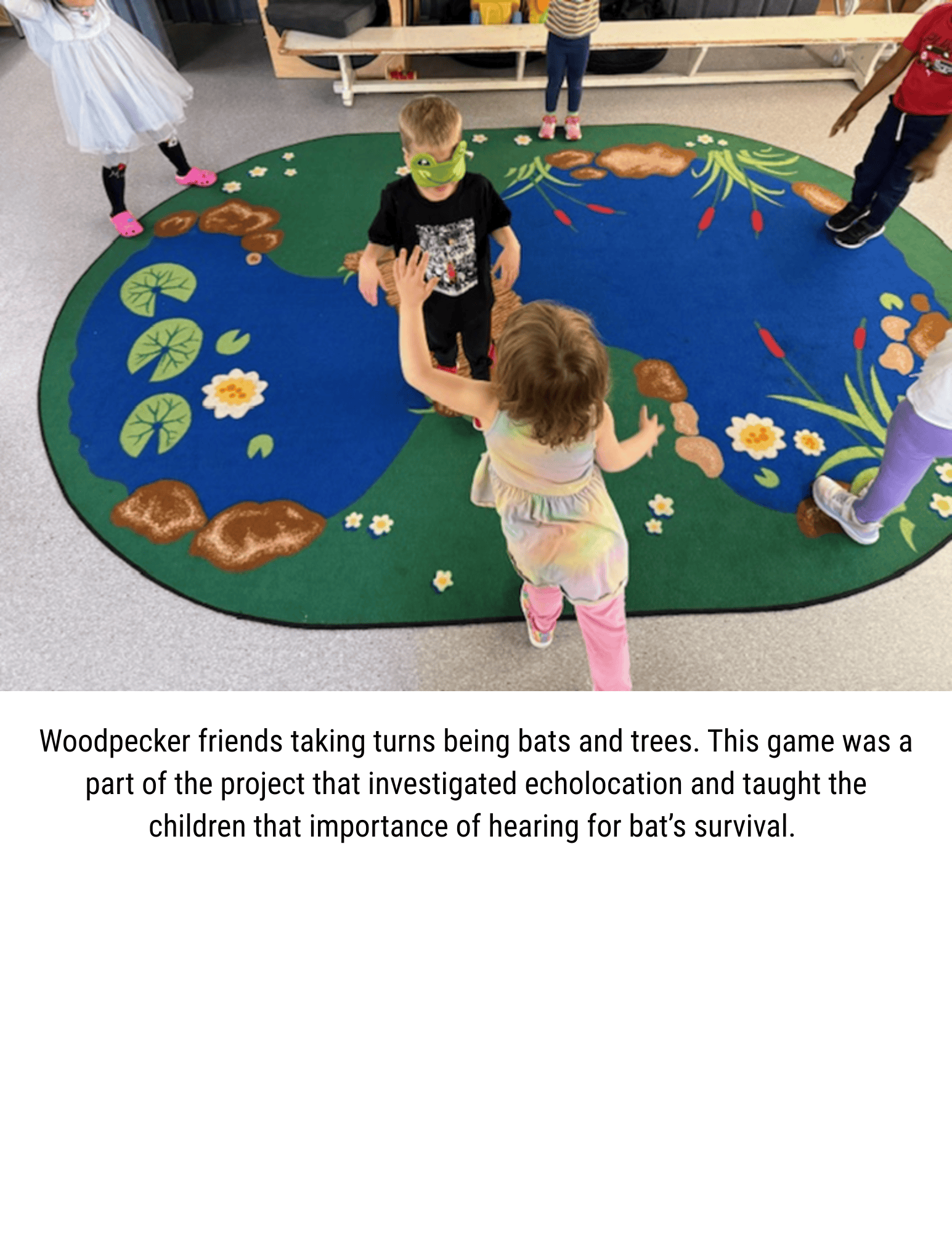
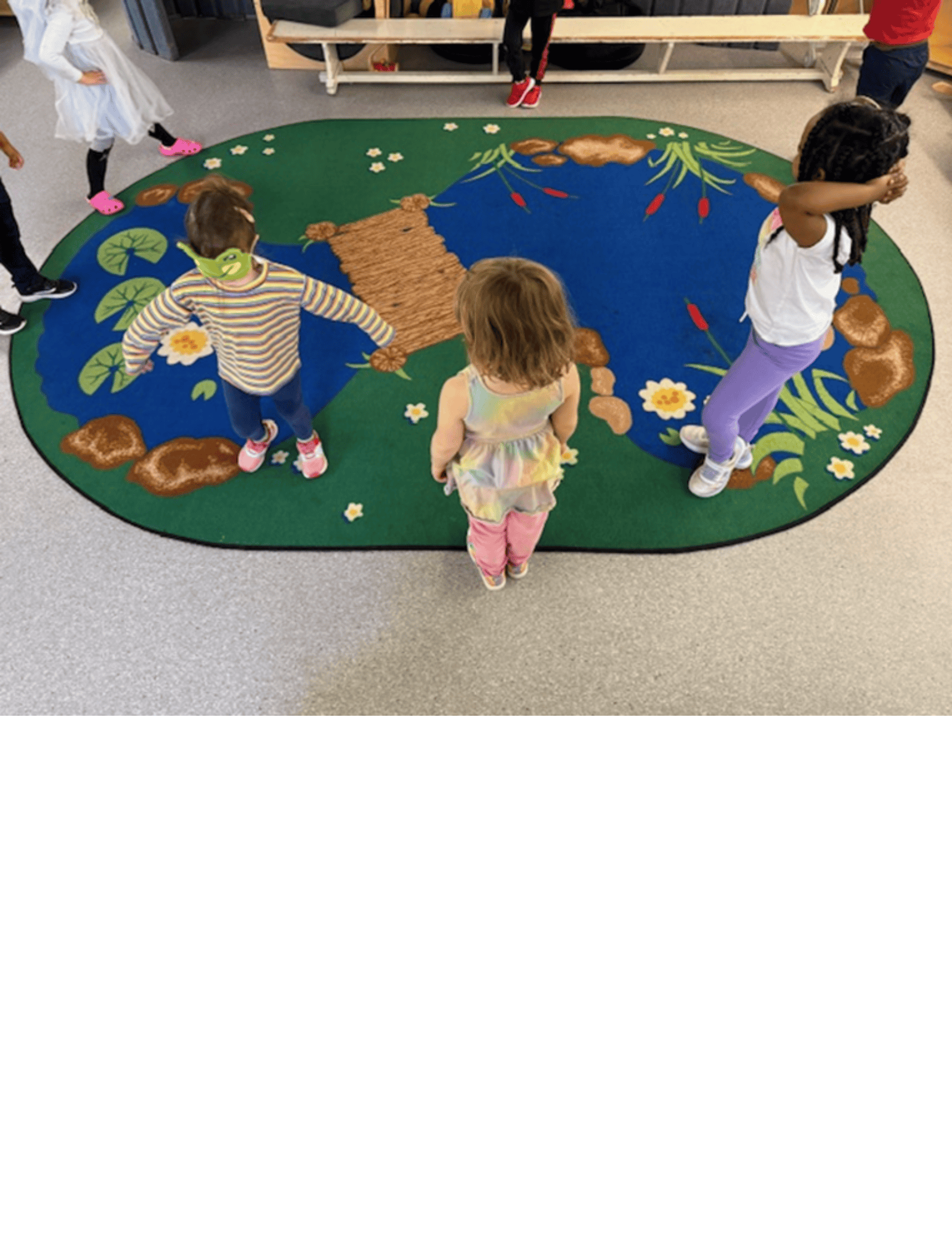
Before we went to the zoo, our class had the opportunity to investigate how human impact through noise pollution among many things can get in the way of these animals survival. We played a game which explained how bats use echolocation to travel and hunt. As our class took turns being the bat among trees, they were able to experience the important that trees have in the survival of bats and what we can do to protect them.

Although we did not meet any bats during our zoo trip, we were able to explore animal enclosures and learn about how other animals use their senses for their survival. For example, a lizard named Pepperoni uses its large blue tongue to smell the air as well as scare predators; and we met an owl who uses its large eyes to see at night as well as its acute sense of hearing to listen for small animals that might be its source of food. The Woodpecker friends left the Zoo with a lot of memories and learning about their Environment and Community Awareness as well as new vocabulary.

THIS CONSERVATION PROJECT WAS MADE POSSIBLE BY
UNION 52 BENEVOLENT SOCIETY.

Alder Academy Early Learning Society | Preschool

PAY IT FORWARD


2026 CONSERVATION PROJECT 

Alder Academy Early Learning Society | Preschool

Animal Movers

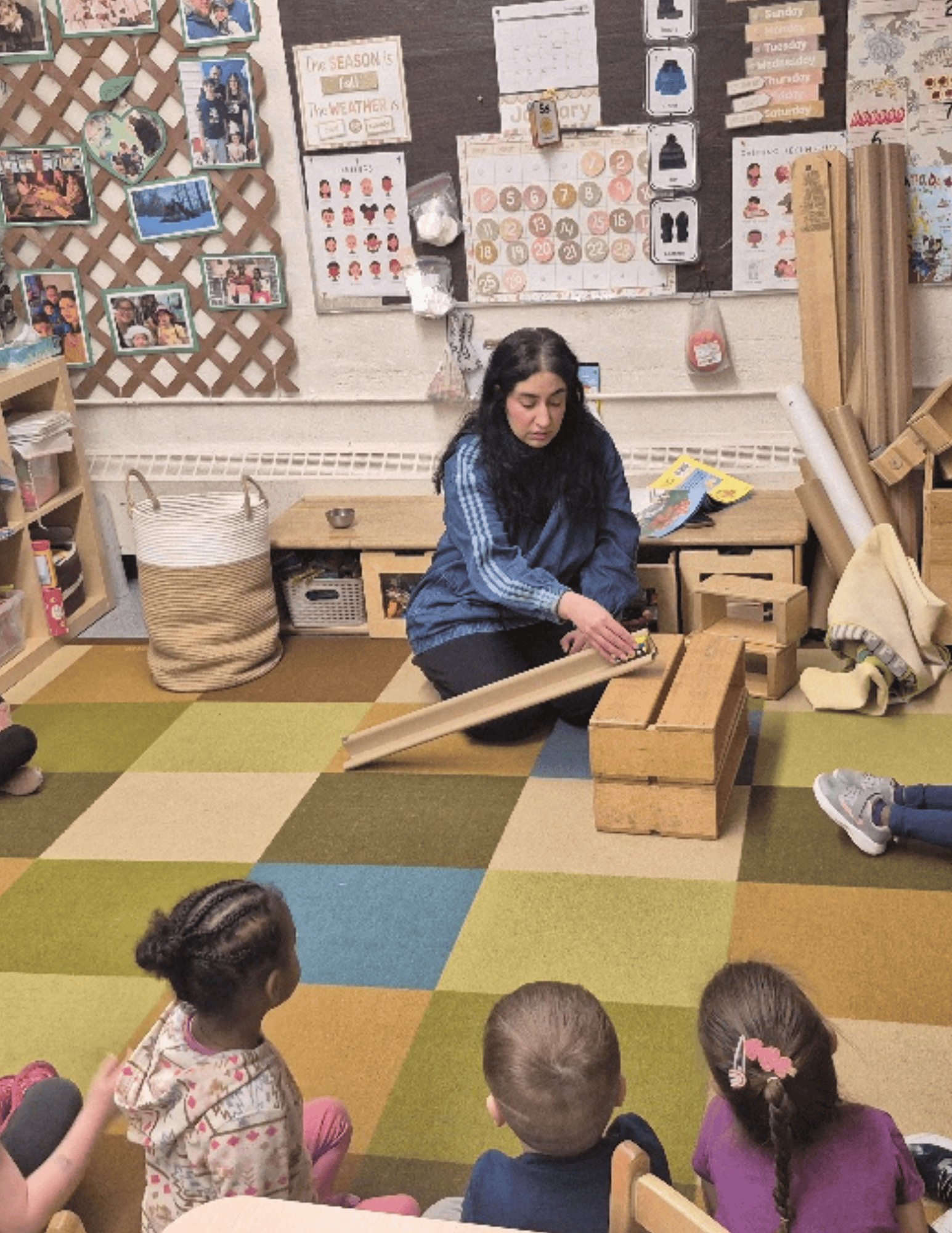
In the Fox Room, our original classroom topic was Inclines and Ramps. Before our trip to the zoo, the children had many opportunities to explore movement, height, slope, and gravity through play. They went sledding, stood and balanced on inclines, rolled cars down ramps and slides, and created drip paintings that moved down canvases. Through the experiences provided to them, the Fox Room began to build an early understanding of Newton’s Laws of Motion: how objects move, fall, slide, and change speed depending on angle and surface.

While we did not teach the specific formal scientific terms, the children were actively exploring these big ideas connected to force, motion, and gravity through hands-on play. As the date of our zoo visit approached, the children became increasingly excited at the idea of seeing the animals, and became deeply invested in animals, often role playing as a specific animal with their friends.

The Fox Room spoke often about elephants and other zoo animals, and their curiosity began to shift our classroom investigations. In the spirit of a Reggio Emilia-inspired approach, we followed the children’s interests and allowed the curriculum to evolve. What began as a study of inclines and ramps widened into an exploration of Habitats, especially as Earth Day approached and conversations about animals and the natural world became more meaningful to the group. On April 16, the Fox Room visited the Edmonton Valley Zoo right after a miniature snowstorm that saw most of the city covered in a few inches of snow. During the trip, the children encountered a wide range of animals and began to notice the very different environments each one needed in order to live well. The children saw a snake that could bury itself in the sand, red pandas in their enclosure, baby doll sheep who didn’t seem to mind the cold, a large sleepy owl and screeching falcons, seals swimming through freezing water, and arctic wolves playing in the snow and howling.

These experiences helped the children build a stronger understanding that animals live in many kinds of habitats and that each habitat supports life in a different way. The zoo visit offered the Fox Room a rich, sensory way to connect what they had been wondering about in the classroom with real animals in environments suited to their tastes. When we returned to the classroom, the children continued to revisit and extend their ideas through conversation and play. They spoke excitedly about touching snake skin and seeing a real snake. They remembered the seals swimming past the glass and the wolves moving through the snow. These experiences became part of our classroom dialogue and helped us deepen our thinking together.

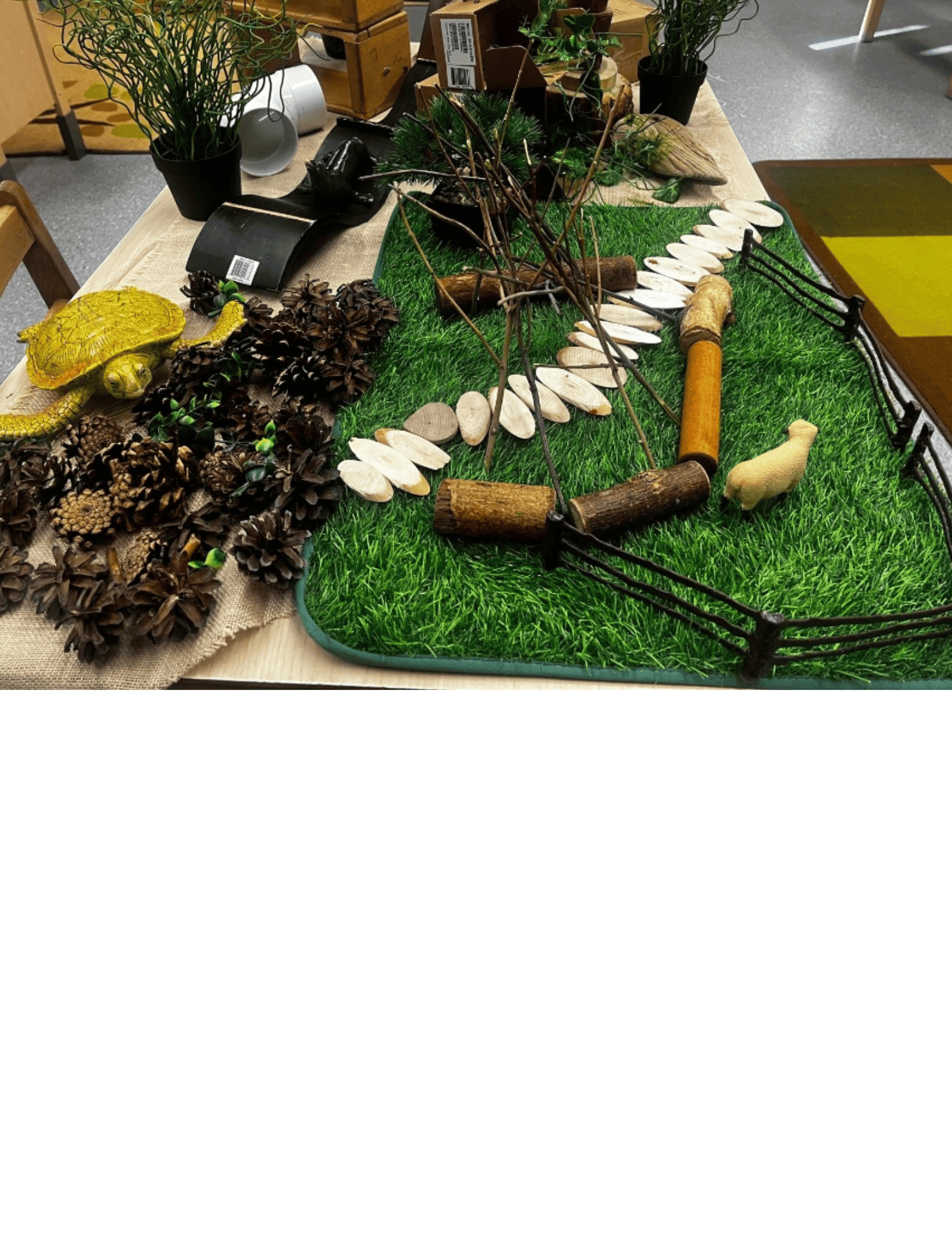
From there, we began to talk about how important it is to care for the Earth so that animals can continue to have safe and healthy places to live. This created a natural connection to Earth Day and supported conversations about responsibility, care, and respect for the natural world. To extend all this learning, we created miniature habitat worlds in the classroom for the children to explore at their own pace. These small-scale environments gave children opportunities to think about where animals live, what they need, and how different habitats look and feel. In these spaces, the Fox Room children could revisit their zoo at their own pace. They used play to make meaning, test ideas, and build connections between the animals they saw and the homes those animals need.

This approach reflects both Reggio-inspired practice and Alberta’s FLIGHT framework, which views children as mighty learners and citizens who build understanding through play, inquiry, relationships, and responsive environments. Our study of inclines and ramps supported the children’s early scientific thinking by helping them notice movement, slope, and cause and effect. The zoo visit then expanded that thinking outward, inviting the children to consider animals, habitats, and environmental care. Through this process, the children engaged with FLIGHT’s holistic play-based goals of Play and Playfulness, Communication and Literacies, and Diversity and Social Responsibility. They explored scientific ideas through play, used conversation and shared memory to extend their thinking, and began to understand their own role in caring for the world around them. We would like to formally thank the Edmonton Valley Zoo, Avery, and all the animals for making our trip a memorable one and for helping to make our Fox room Animal Heroes! -Alder Academy, the Fox Room
THIS CONSERVATION PROJECT WAS MADE POSSIBLE BY
UNION 52 BENEVOLENT SOCIETY.

John A. McDougall | Kindergarten

PAY IT FORWARD


2026 CONSERVATION PROJECT 

John A. McDougall | Kindergarten

Healthy Habitats

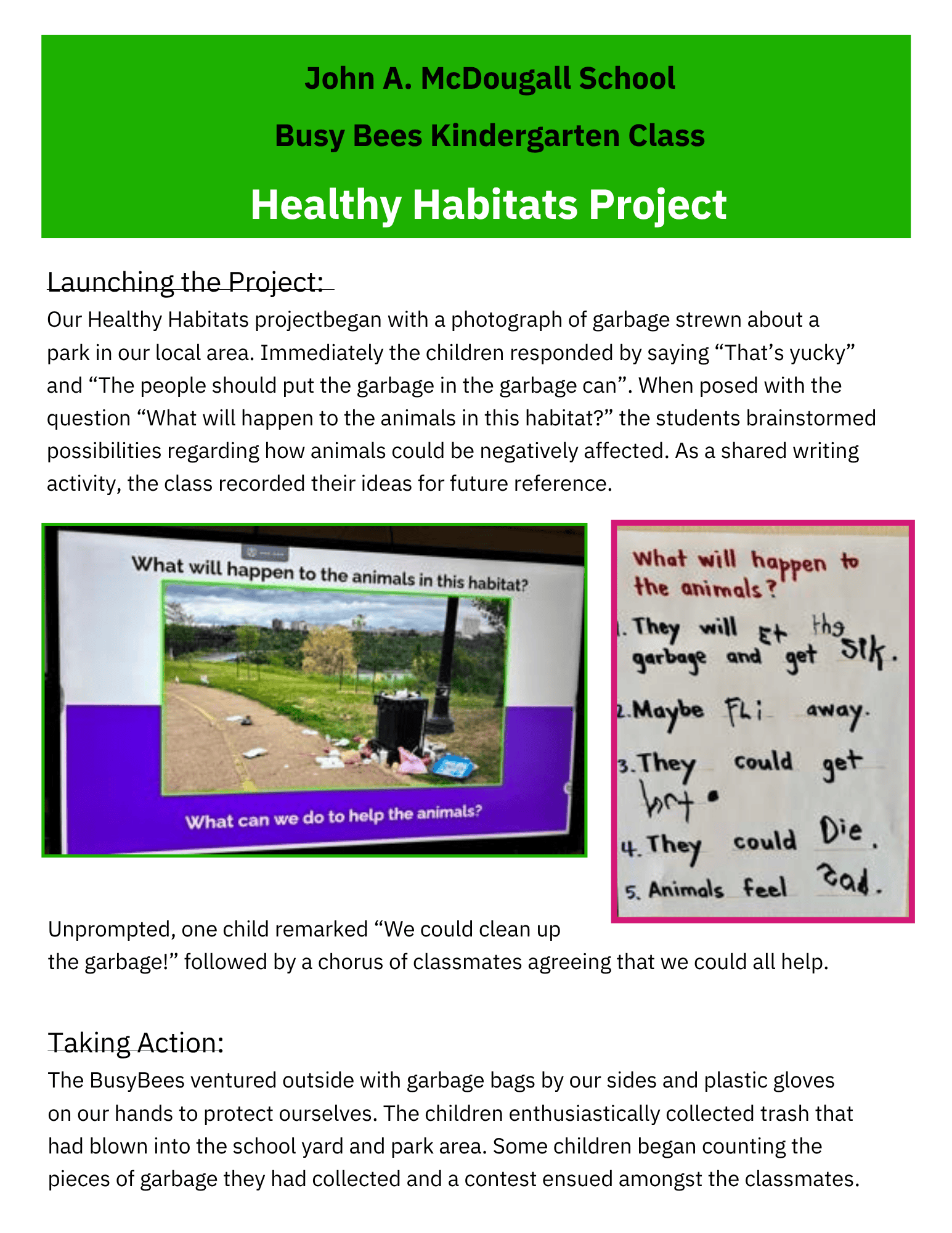
The kindergarten students gained an understanding of the dangers that exist for animals due to garbage in their surroundings.

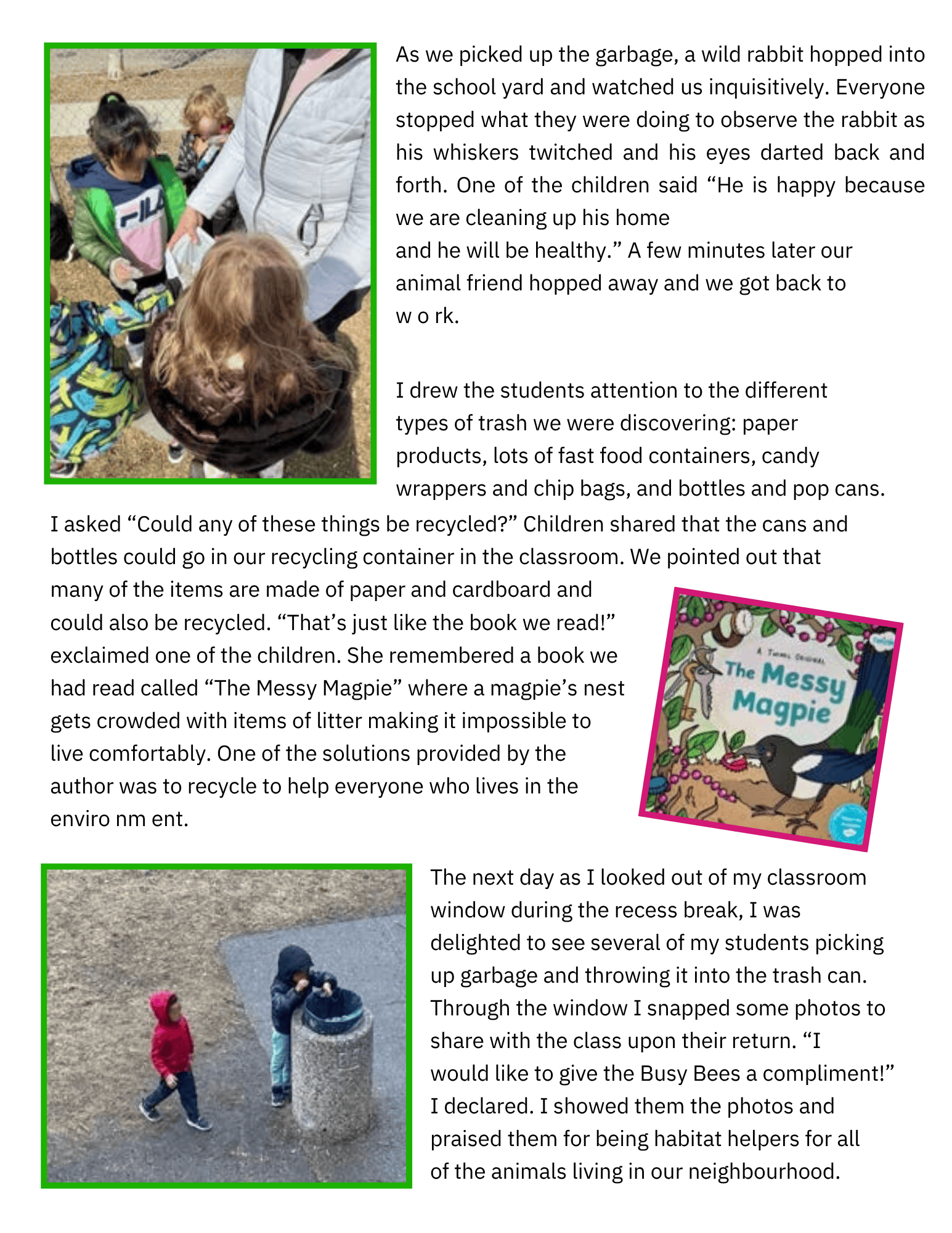
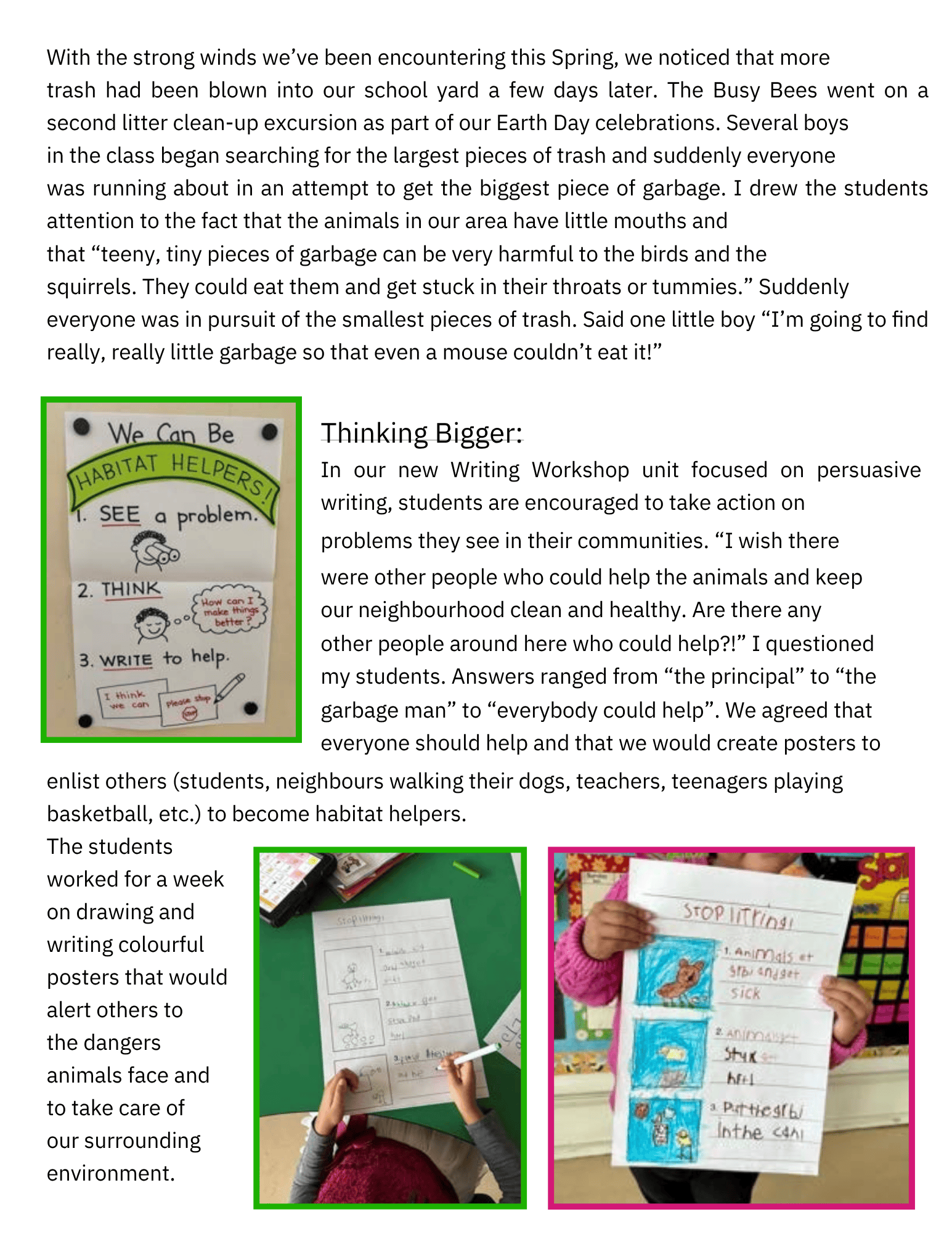
We actively cleaned our surrounding neighbourhood to help the local animals in our area. We made signs and posters sharing the reasons garbage is dangerous to animals and called others to action to keep litter in its place by using trash cans and recycling.

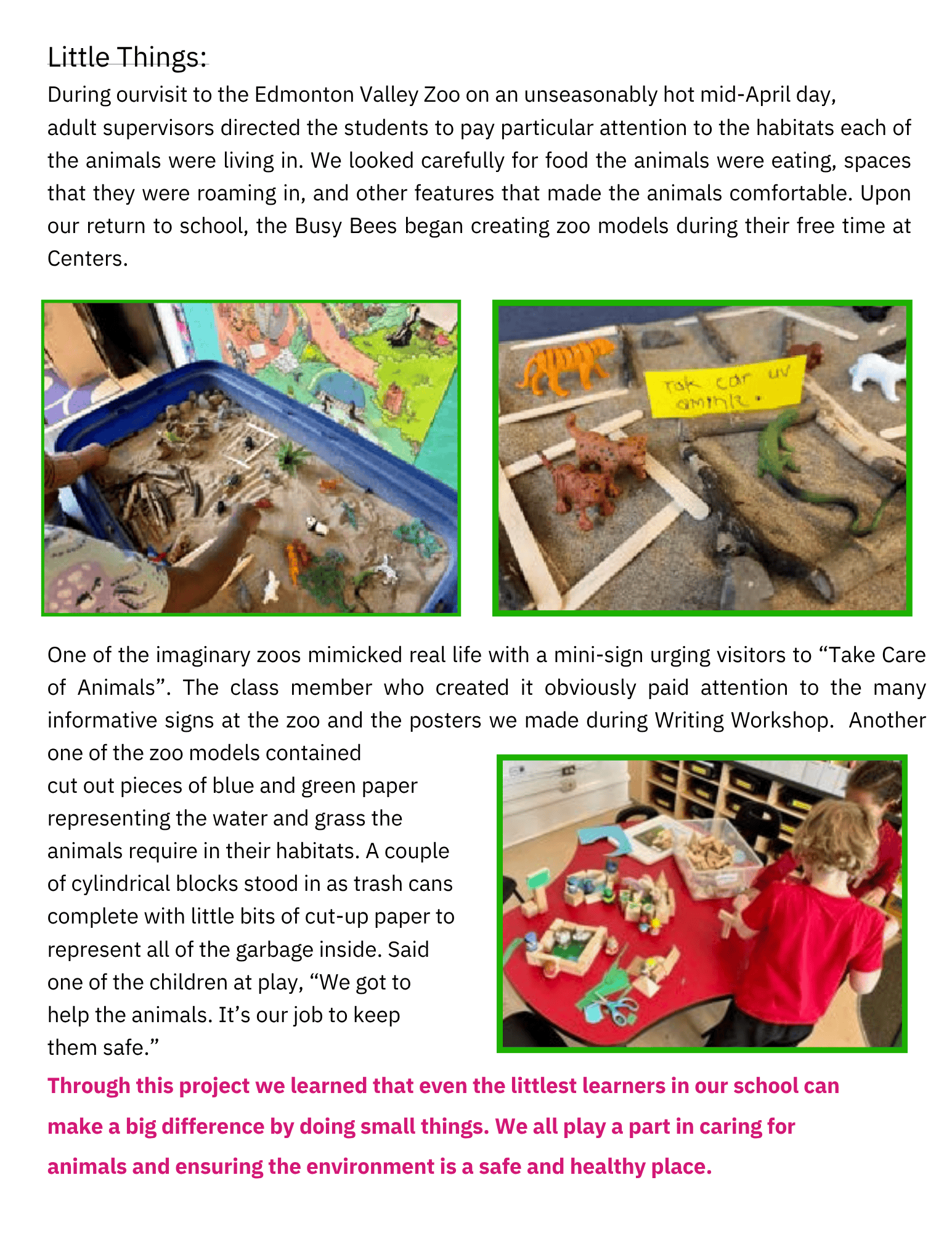
We made observations of animals in their habitats both in our community and during a visit to the zoo. Afterward, students created zoo models that depicted healthy spaces for animals including food, water, and shelter.

THIS CONSERVATION PROJECT WAS MADE POSSIBLE BY
Edmonton Host Lions

Nellie Carlson | Interactions 1-6

PAY IT FORWARD


2026 CONSERVATION PROJECT 

Nellie Carlson | Interactions 1-6

Growing Kindness: Students Supporting Pollinators

Our Interactions class, consisting of students in Grades 1–6 with autism, participated in an environmental learning project focused on pollinators and their importance to our ecosystem. The purpose of this project was to build student understanding of how pollinators such as bees and butterflies support plant growth, food production, and overall environmental health, while also providing an opportunity for students to contribute meaningfully to their school community.

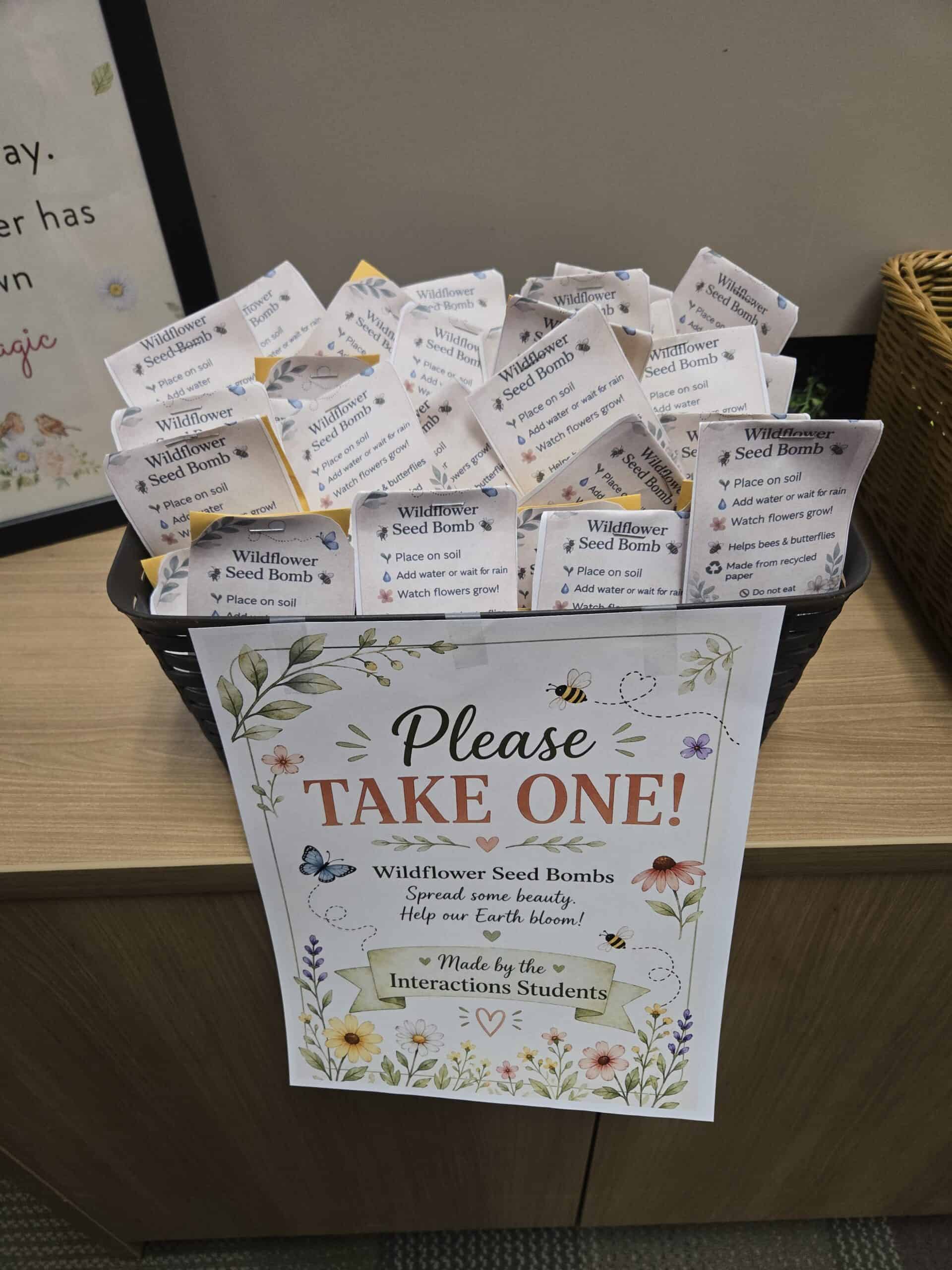
Through adapted, hands on lessons using visuals, repetition, and discussion, all students were able to access and engage with the learning in ways that met their diverse communication and sensory needs. As part of the process, students created wildflower seed bombs using recycled paper, water, and seeds. They participated in each step, including tearing and soaking paper, mixing materials, forming seed balls, and allowing them to dry, supporting the development of fine motor, sensory, and collaborative skills. Students then helped package the seed bombs and proudly delivered them to classrooms throughout the school, along with simple, student-friendly instructions explaining how to use them and how pollinators support people, plants, and other living things.

The outcomes of this project included increased student engagement, strengthened communication and cooperation skills, and a strong sense of pride and contribution. Students were excited to share their learning and recognized that their actions could make a positive difference in the environment.

This project also supported cross curricular outcomes in science and literacy, while fostering environmental stewardship within the school community. Its impact will continue over time as the planted wildflowers grow and support local pollinators, encouraging ongoing awareness and care for our natural environment.

THIS CONSERVATION PROJECT WAS MADE POSSIBLE BY
Cathy FLood

High Park | Grade 3/4 Split

HIGH PARK | GRADE 3/4 SPLIT

BEE CONSERVATION & BEESWAX WRAPS

We’ve had such an incredible year of learning around conservation here at High Park. My students in grade 3/4 chose bees for our focus, and several of our projects have explored this in meaningful and memorable ways.

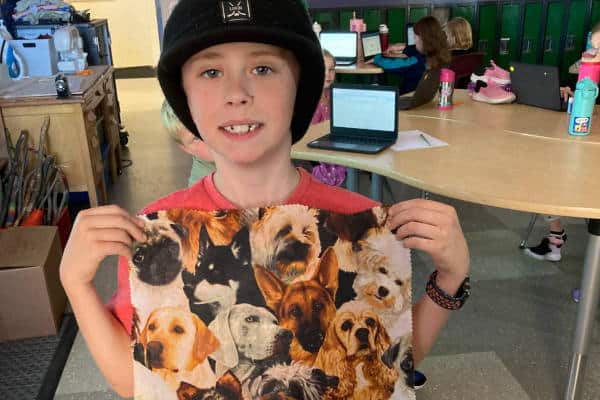
In September, we started making beeswax wraps for our lunches in order to cut down on plastic going into the garbage. Each student either brought in a piece of cloth or selected one from class and ironed it between parchment with beeswax to embed it with wax and make it waterproof. They started using these in their lunches right away and to date we have prevented 260 ziploc bags from going into landfills. Students continue to use these each day and they last for years.

We had an in-class field trip in which we built bee houses for solitary bees. This was a challenge but helped so many students go from I can’t to I can with building. We learned about the importance of providing space for solitary bees to lay eggs in that they bring diverse pollens from faraway places.

For Mother’s Day, we learned to sew felt drawstring pouches and filled them with wildflower seeds that specifically support bees and other pollinating insects. This gift of a garden is sweet for Moms and further provides pollen and nectar for bees.

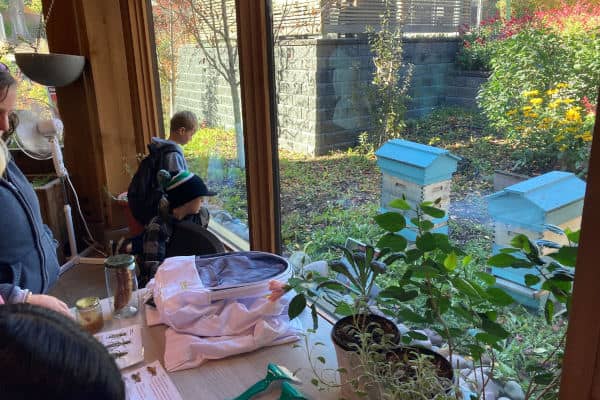
We also have scheduled some Pirates to join us! We learned that that is the nickname for beekeepers when we visited the Valley Zoo in the Fall. Two beekeepers are coming to visit our class to teach us about what it’s like raising bees in the city of Edmonton in their backyard. They will bring frames of honeycomb, a suit, some dead bees, and other items for this special lesson.

We would like to extend our profound gratitude to the Valley Zoo Development Society for our trip to the zoo last Fall. We would also like to say thank you to The Melton Foundation for their support of this program. This experience has been such a memorable one for our students, and we will continue to consider the bees now that we can see just how important they are in our ecosystem.

THIS CONSERVATION PROJECT WAS MADE POSSIBLE BY THE
MELTON FOUNDATION.