Baturyn School | Grade 2

PAY IT FORWARD


2026 CONSERVATION PROJECT 

Baturyn School | Grade 2

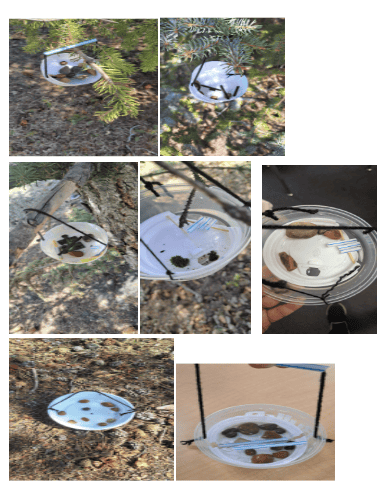
Bee Hydration Stations

Our Bee Hydration Station project was designed to be a fun, hands-on activity for kids to learn about nature while helping our tiny "fuzzy friends" stay healthy and happy!

What did we do?

We became "pollinator protectors" by building and maintaining safe drinking spots for bees. Kids are often scared of bees, so this project was about showing them that bees are actually hardworking helpers who get very thirsty! We turned everyday containers into mini-oases where bees could stop for a refreshing drink without having to worry about deep water.

How was it done?

This was a creative, hand-on craft project: The Treasure Hunt: Some students collected stones/rocks during their walk to school. Decorating the Station: Using containers, we arranged rocks, toothpicks, straws, or metal washers as "islands" inside the containers. We made sure the materials were at different heights so bees of all sizes had a place to land.

The "Rain" Effect:

Using a watering can, the students filled the containers with water. They learned that the water level should only go halfway up to the materials sitting inside the containers.

Finding the Secret Spot:

We placed our stations on tree branches and near plants and flowers, but tucked them away from where people walk so the bees could drink in peace.

What was the outcome?

The results were amazing for both the kids and the bees: Creative Artists: The students worked together to come up with a plan for the watering stations. Nature Superheroes: They felt a huge sense of pride knowing they were helping the bees to keep hydrated on hot days.

Bee Patrol: The students took on a bee patrolling job to dump and refill the water to make sure the bees had fresh clean water. They learned about responsibilities and life cycles of small flying animals.

THIS CONSERVATION PROJECT WAS MADE POSSIBLE BY
Edmonton Host Lions Club

John A. McDougall | Kindergarten

PAY IT FORWARD


2026 CONSERVATION PROJECT 

John A. McDougall | Kindergarten

Our Field, Their Home: Caring for Urban Wildlife

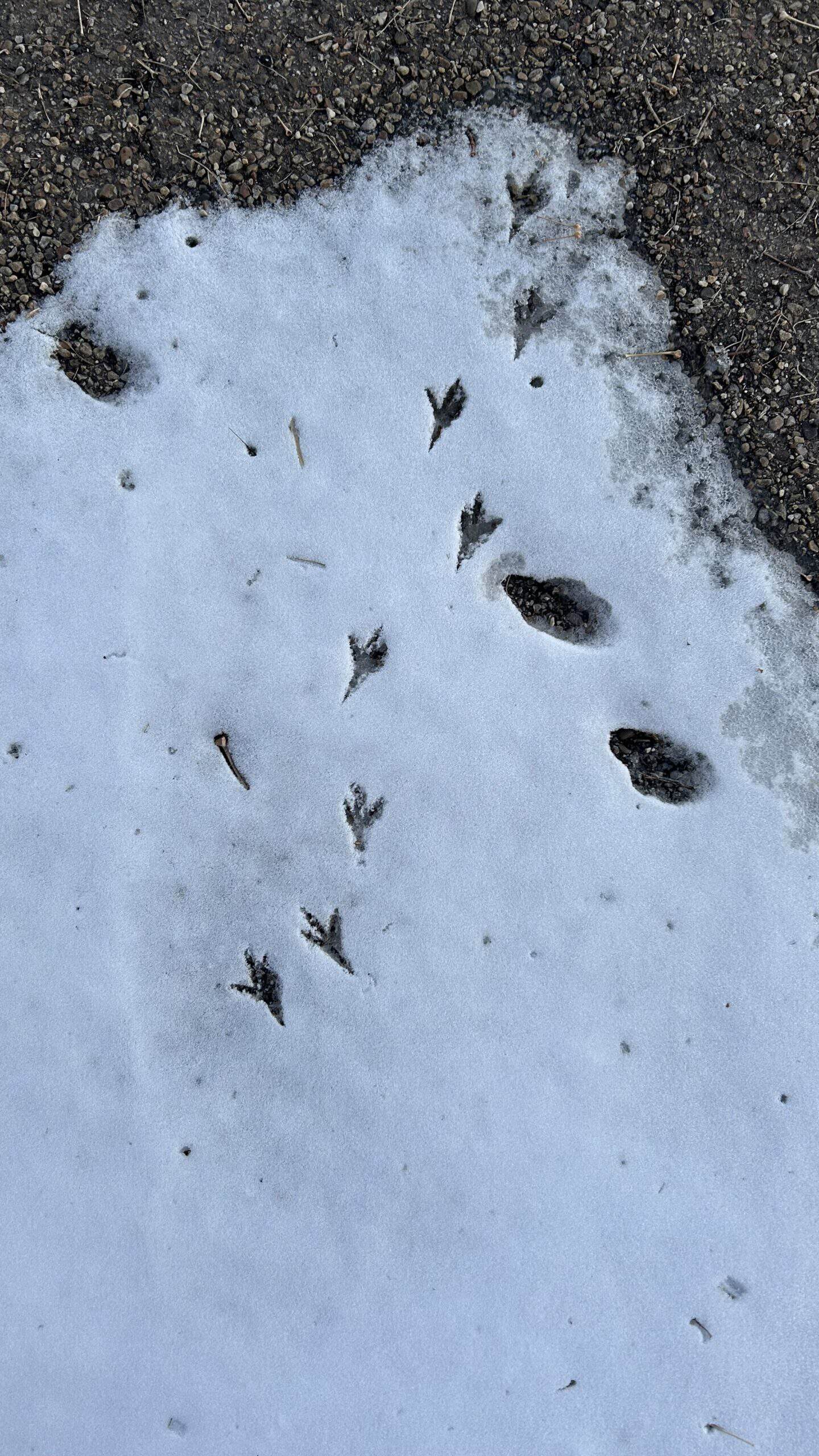
The kindergarten classes at John A. McDougall learned the importance of caring for the land and animals. Students began by learning about animal habitats, ranging from local parks and farms to underwater ecosystems and the animals right in our own school field. One morning, we went out early to search for signs of animal life on our school grounds.

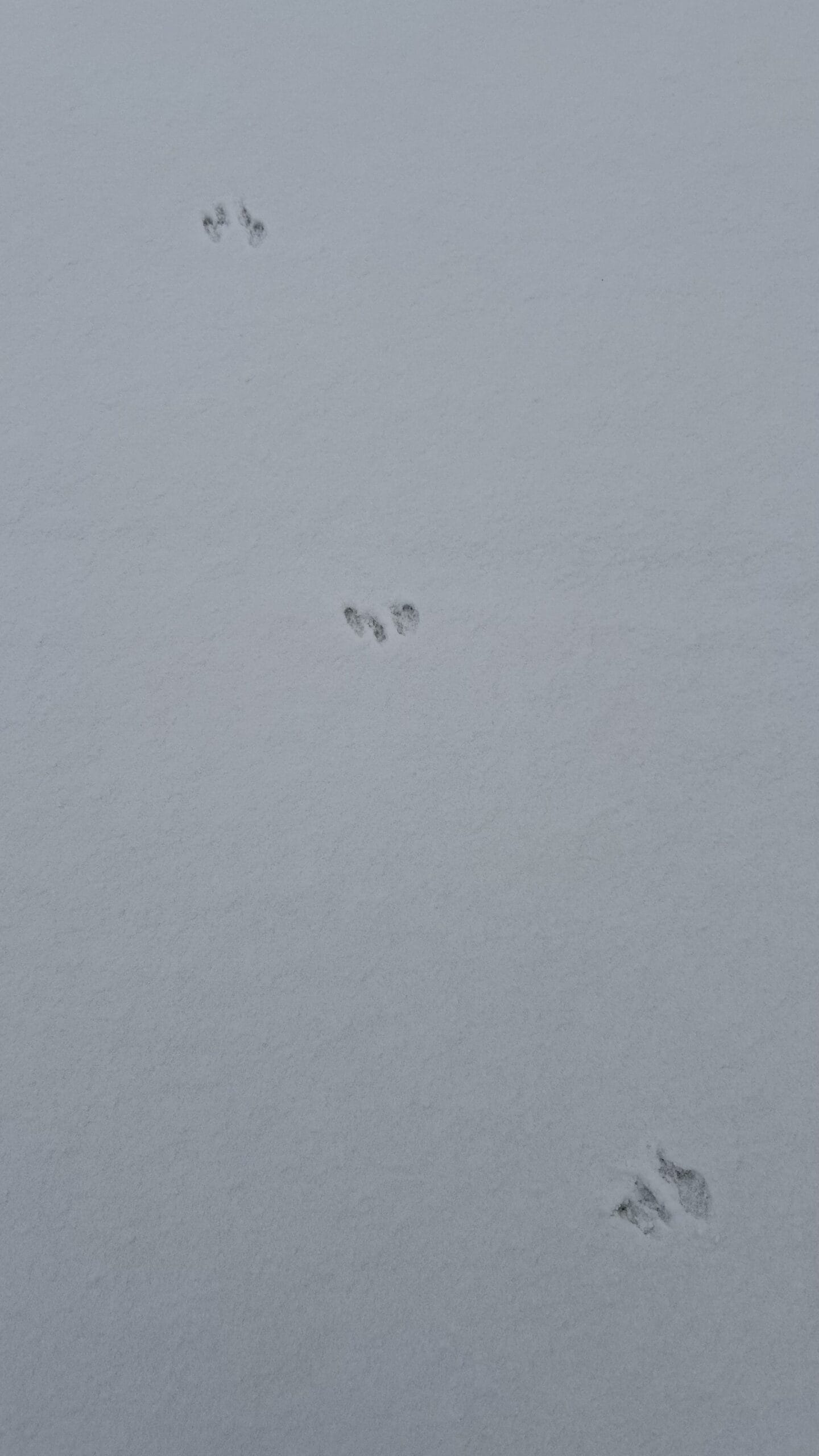
We learned that we can identify which animals have walked the grounds by the way their tracks look, specifically discovering prints from birds and rabbits. While exploring, we discussed how the immense garbage that collected over the winter, now visible due to the melting snow, can be harmful to the animals we share the field with.

To dive deeper, we read the story The Messy Magpie, in which a magpie who loves "shiny things" discovers they are actually human trash that affects his nest and the friends living around him. Inspired by the story, students were encouraged to look for the "shiny things" that others had dropped.

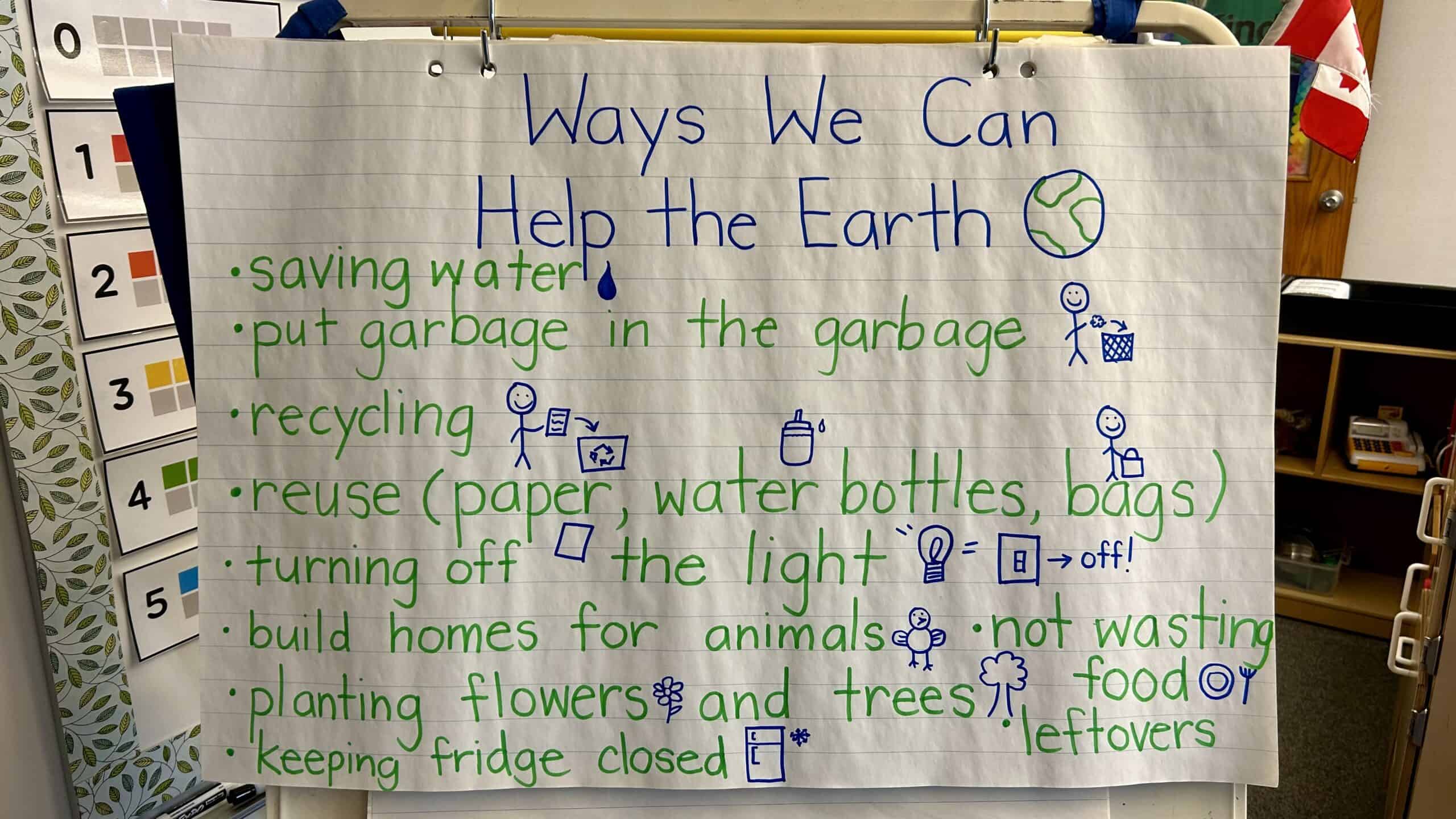
Together, we performed a yard cleanup and filled two large trash bags. We also extended this learning into a larger conversation around Earth Day and brainstormed additional ways we can help our Earth on a classroom anchor chart. 

THIS CONSERVATION PROJECT WAS MADE POSSIBLE BY
Edmonton Host Lions Club

Baturyn School | Grade 2

PAY IT FORWARD


2026 CONSERVATION PROJECT 
Baturyn School | Grade 2

The Baturyn Bee Helpers

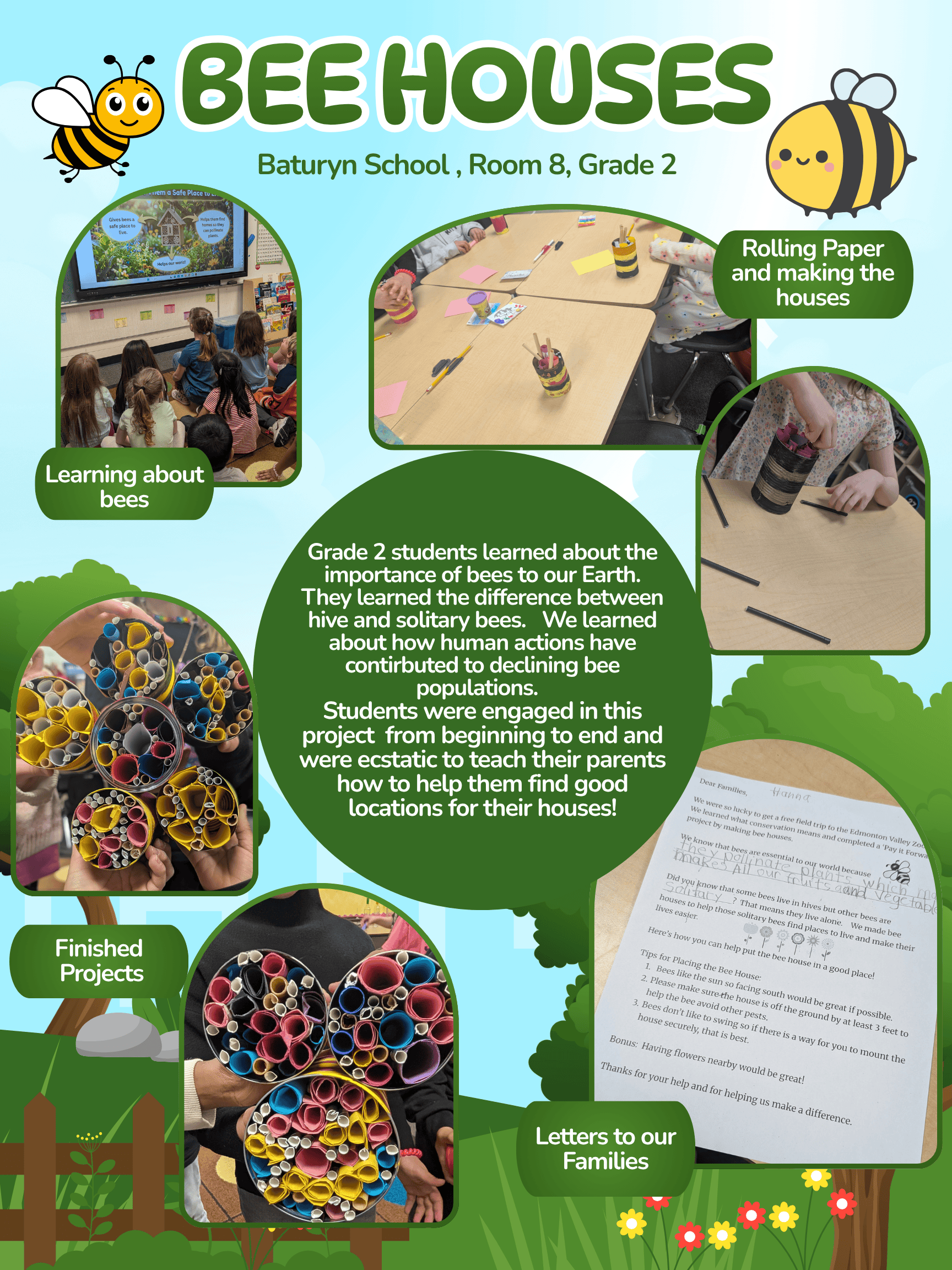
Why We Started This Project Our Grade 2 class at Baturyn School wanted to learn more about bees and how they live. We know that bees are very important because they help grow the food we eat, like fruits and vegetables. We wanted to find out how we could help the bees in our own backyards and "Pay it Forward" to nature. Our project was all about learning how humans can sometimes hurt bees and, more importantly, how we can all work together to help them stay safe and healthy.

What We Did

1. Learning with a Slideshow We started by looking at a fun slideshow. We learned about how bees live in hives, how they find food, and how they work as a team. We also learned about solitary bees. We spent a long time talking about how humans can hurt bees by using chemicals in gardens or by taking away the wild places where they like to build their nests. We were surprised to learn that bees are responsible for one out of every three bites of food we take! But we felt very happy to learn that we can help them by planting native flowers and making safe homes for them to rest in.

2. The Pollination Game To see how bees actually work, we played a "Pollination Game." We pretended to be busy bees flying from flower to flower. We saw how yellow pollen sticks to a bee’s fuzzy body and moves to the next flower. This helps the plants make seeds and grow new fruit for us to eat.

3. Making Bee Houses The most exciting part was making our own bee houses! We used old soup and vegetable cans to make them. First, we painted the cans with bright, happy colors to make them look beautiful for the bees.Then, we filled the cans with small tubes and paper straws. These tubes make the perfect "bedrooms" for solitary bees to lay their eggs and stay safe from the rain. We liked using recycled cans because it means we are reusing things instead of throwing them away. It’s another way we are helping the Earth!

4. Letters to Our Parents After our houses were finished, we became real "bee experts." We wrote letters to our parents to explain why these houses are so important for our environment. In our letters, we gave them advice on the very best place to put the bee house. We told them it should be in a sunny spot that is off the ground and safe from the wind. This way, the bees will stay warm and dry all year. We hope our parents will be as excited as we are to welcome these new friends into our gardens.

What We Learned This project taught us that even though we are young, we can make a big difference for the planet. We learned that bees are our friends and that we need to protect them. By taking our bee houses home and teaching our families how to care for them, we are helping the bees in our community grow and thrive. We hope that our project makes the Baturyn community a better place for all the little pollinators!

THIS CONSERVATION PROJECT WAS MADE POSSIBLE BY
UNION 52 BENEVOLENT SOCIETY.

Sifton School | Grade 1

PAY IT FORWARD


2026 CONSERVATION PROJECT 

Sifton School | Grade 1

A Grizzly Bear Through the Seasons

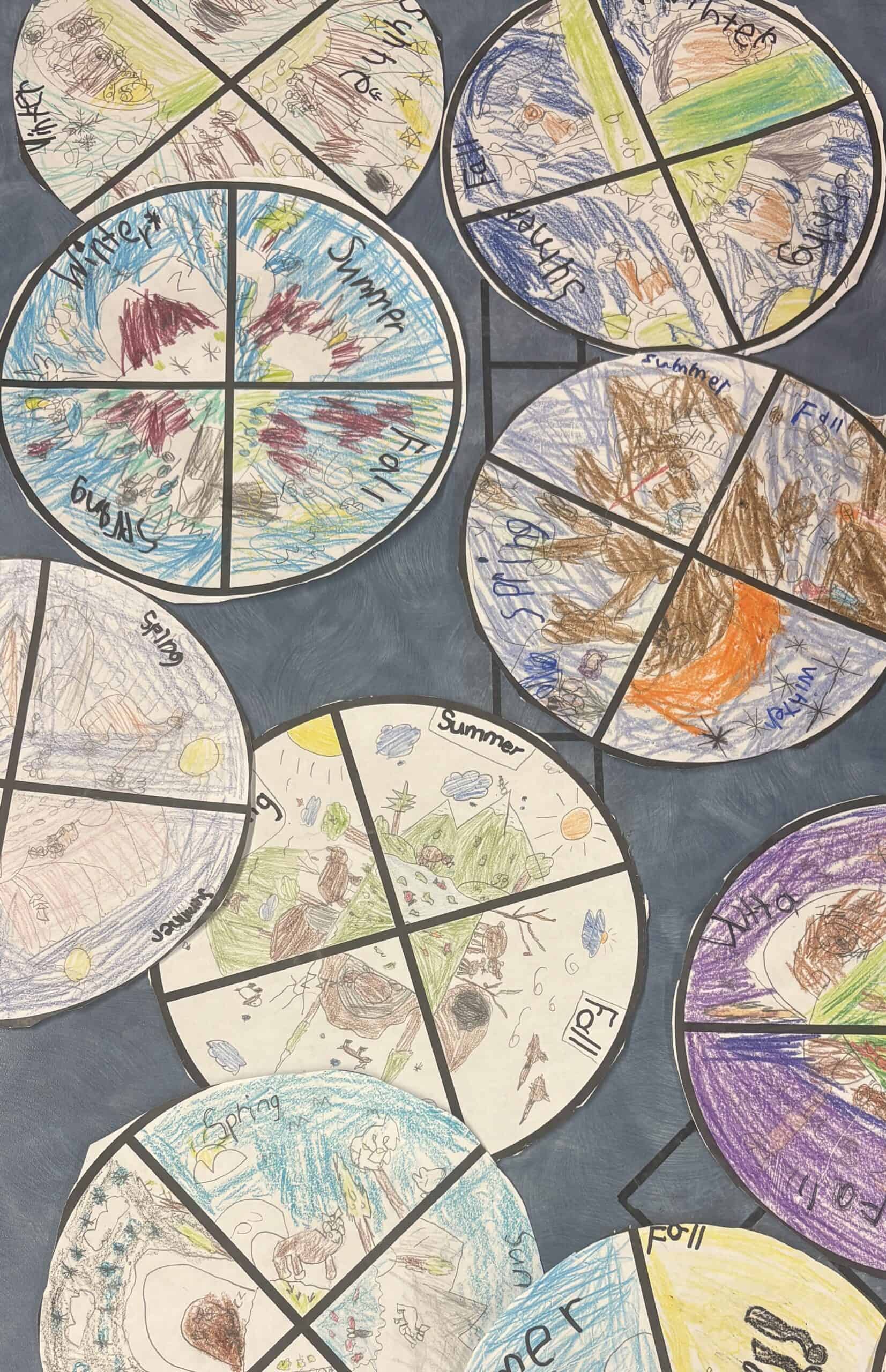
In grade 1, we explored the characteristics of four seasons and investigated the behavioural effects it has on a grizzly bear. We talked about what a grizzly bear needs to survive the four seasons and how hibernation and a change in their diet can affect how they act. The students had a great time discovering about the adaptations grizzly bears go through. Each week a new season became the focus and we exploded how that season impacts a grizzly bear.

Through read-alouds, videos, and discussions students were able to learn how each season goes through a change in their appearance and what happens to the grizzly bear through the changing climates. After learning about a new season, students would pull out their hands-on project which is a four-section seasonal wheel. Each guided drawing activity students would be drawing a grizzly bear within that seasonal environment. Once we completed the wheel students got to colour the images to better represent the seasons and the environment the bear lives in during those time periods.

Students then got to cut out their circles and add a cover page where they could spin it around a new season. The Pay It Forward Program was an amazing experience that helped students expand their understanding of seasonal change and animal adaptations, especially for seasons, such as winter.

THIS CONSERVATION PROJECT WAS MADE POSSIBLE BY

Edmonton Host Lions Club
 

Inglewood School | Grade 1

PAY IT FORWARD


2026 CONSERVATION PROJECT 

Inglewood School | Grade 1

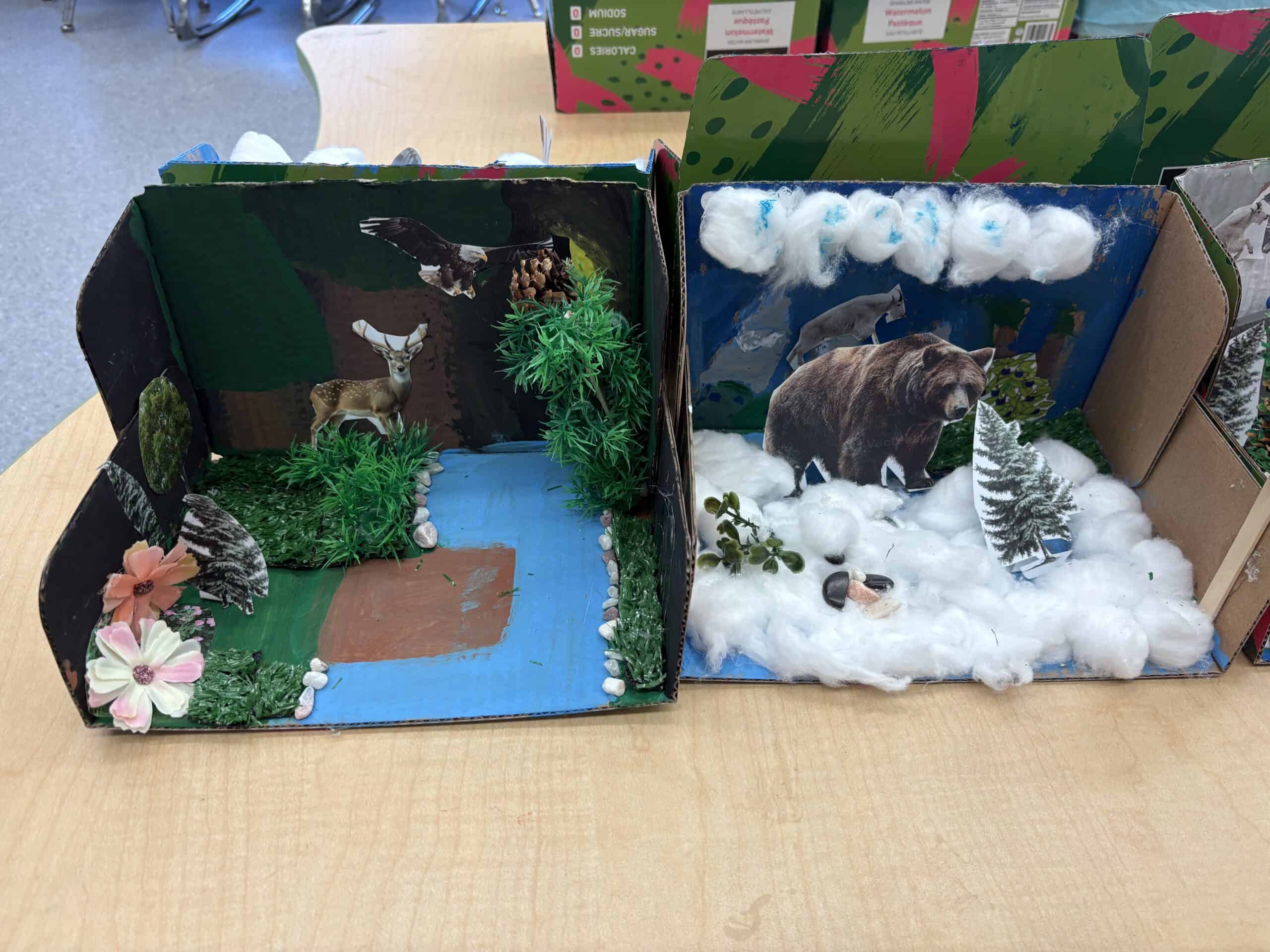
Alberta Environments Dioramas

Our students recently went on an exciting journey to discover the amazing natural world right here in Alberta. We spent time exploring four main types of environments that make our province so special: the tall mountains, the wide-open prairies, the thick forests, and the busy lakes and rivers. The students learned that each of these places has its own special "personality," with different weather, plants, and animals that call them home. For example, they discovered how animals in the mountains need thick fur to stay warm, while plants on the prairies need long roots to find water in the dry soil. After becoming experts on these landscapes, it was time for the students to show what they learned through a creative art project.

We turned the classroom into a workshop where everyone planned and built their very own dioramas. To be kind to the earth, we used recycled cardboard boxes as the base for our projects. This was a great way for students to see how "trash" like old cereal boxes or delivery packages could be turned into something beautiful and educational. They had to think like engineers to make sure their cardboard mountains stood tall and their riverbeds looked deep. To bring the scenes to life, the students used all sorts of different art supplies. They used blue paper and shiny materials to create sparkling rivers, and they used green sponges or twigs to make miniature forests. Some students used clay to mold tiny grizzly bears for their mountain scenes, while others used yellow grass and cotton-ball clouds to show a sunny day on the prairies.

This part of the project helped them remember which animals belong in which home, like making sure a trout was in the river and not in the middle of a forest! By the time the projects were finished, the classroom looked like a mini-version of Alberta. Through this project, the students didn't just learn facts from a book; they got to use their hands and their imaginations to explore the world around them. They learned that all these different environments work together to keep Alberta healthy, and they felt proud to show off their hard work. It was a wonderful way to connect science with art and to help the students appreciate the beautiful province we live in.

THIS CONSERVATION PROJECT WAS MADE POSSIBLE BY
UNION 52 BENEVOLENT SOCIETY.

St. Alphonsus | Kindergarten

PAY IT FORWARD


2026 CONSERVATION PROJECT 

St. Alphonsus | Kindergarten

Animal Environments

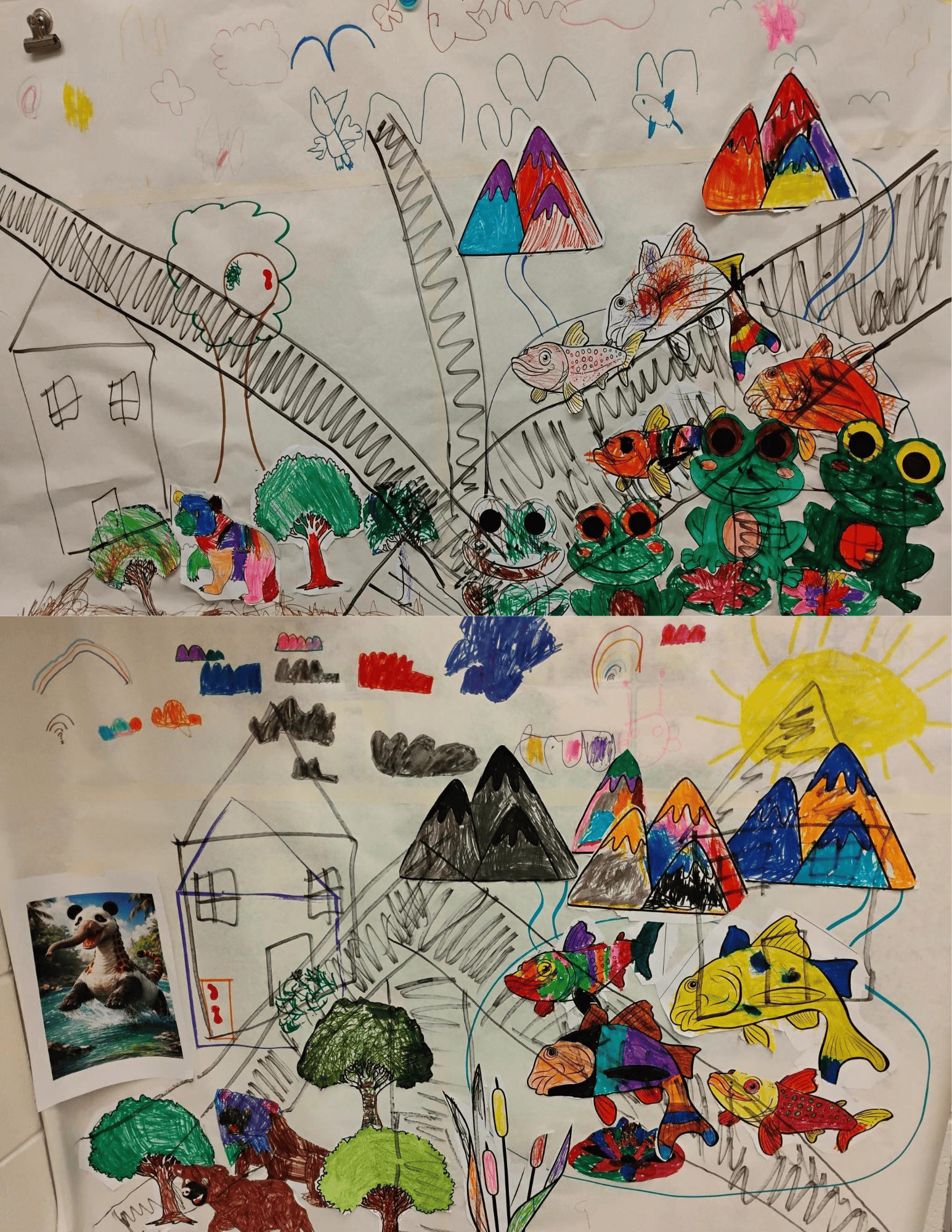
We created animals and the environment we thought it would need.For this we coloured pictures of animals we thought our animal might eat, or be living around the area our animal did.

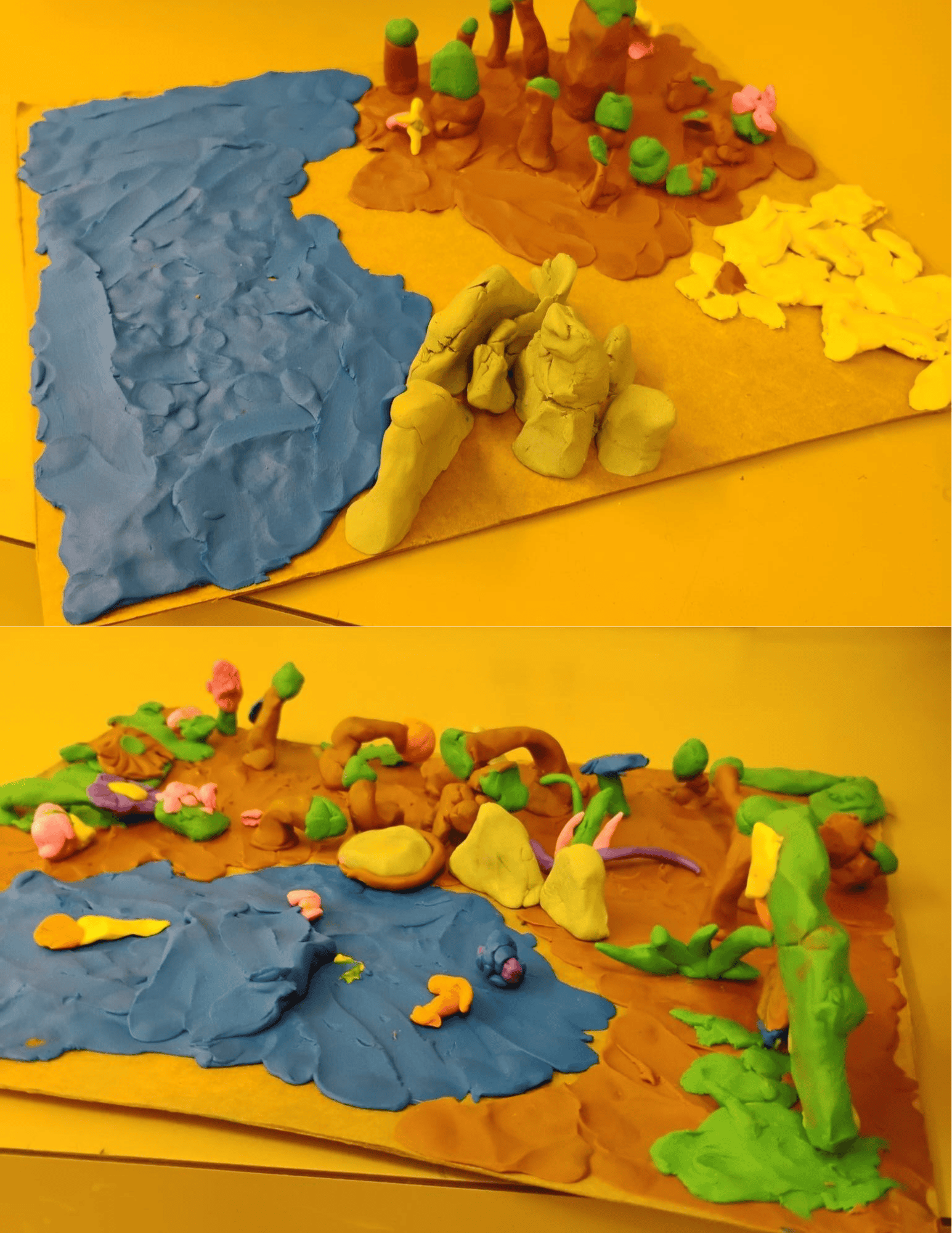
We then glued it onto a really big paper and drew trees and sun and other things we need. Humans then came and destroyed our animal's environment and we talked about what happens when we as humans don't think about the animals living in the area. We then created a new environment using plasticine to show how we can make sure to keep animals safe with a home and have humans there as well.

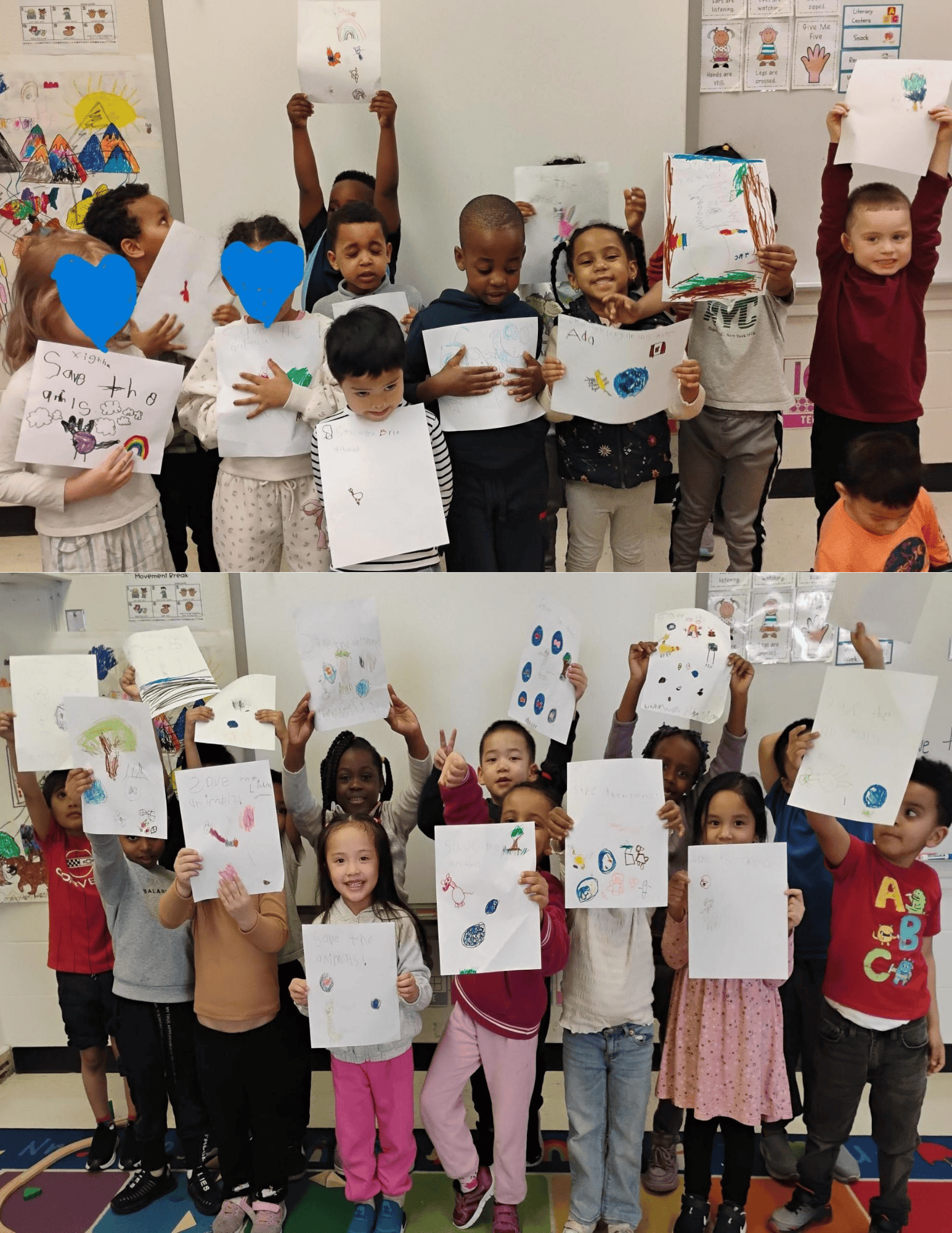
The students then created posters to remind people to keep animals safe with food, water and a home.

We learned how and why animals move, what animals and humans need to live, how environments need to be taken care of and ways we can do that. How to be respectful of environments, such as no bad water, and keeping garbage out of our woods and animal homes, and what is included in an environment for an animal or human.

THIS CONSERVATION PROJECT WAS MADE POSSIBLE BY
Field Law Community Fund