Ecole Bellevue | Kindergarten

PAY IT FORWARD


2026 CONSERVATION PROJECT 
Ecole Bellevue | Kindergarten

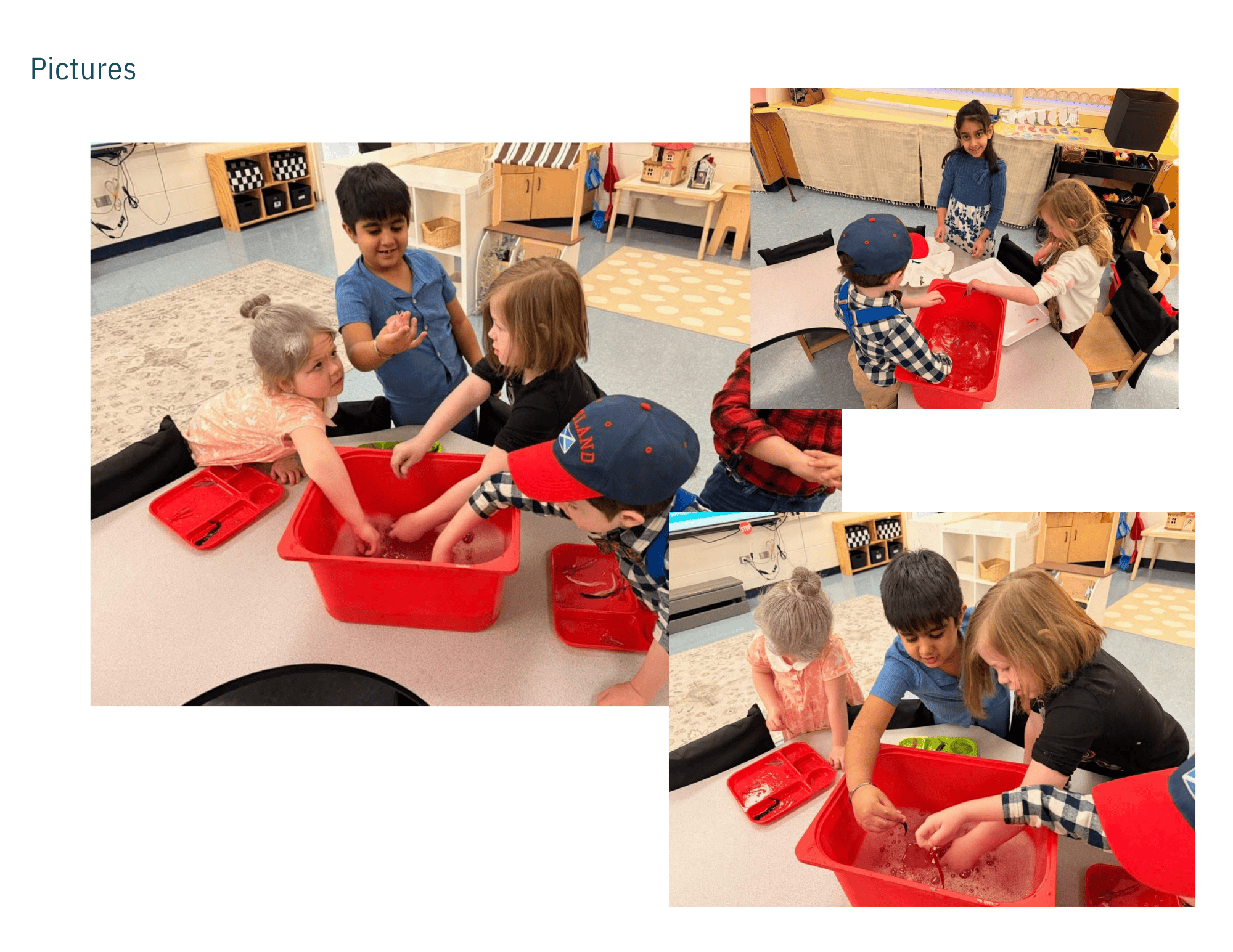
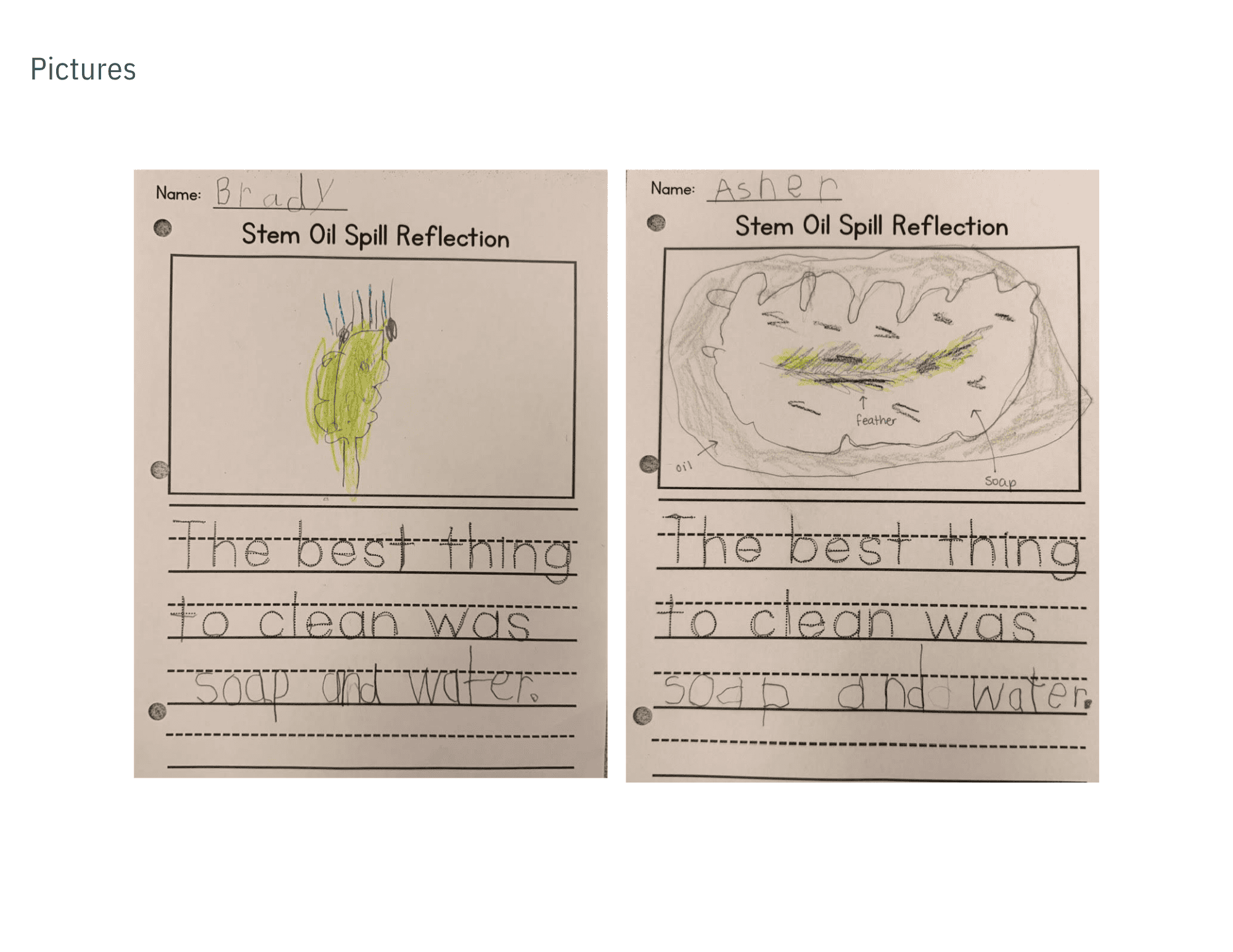
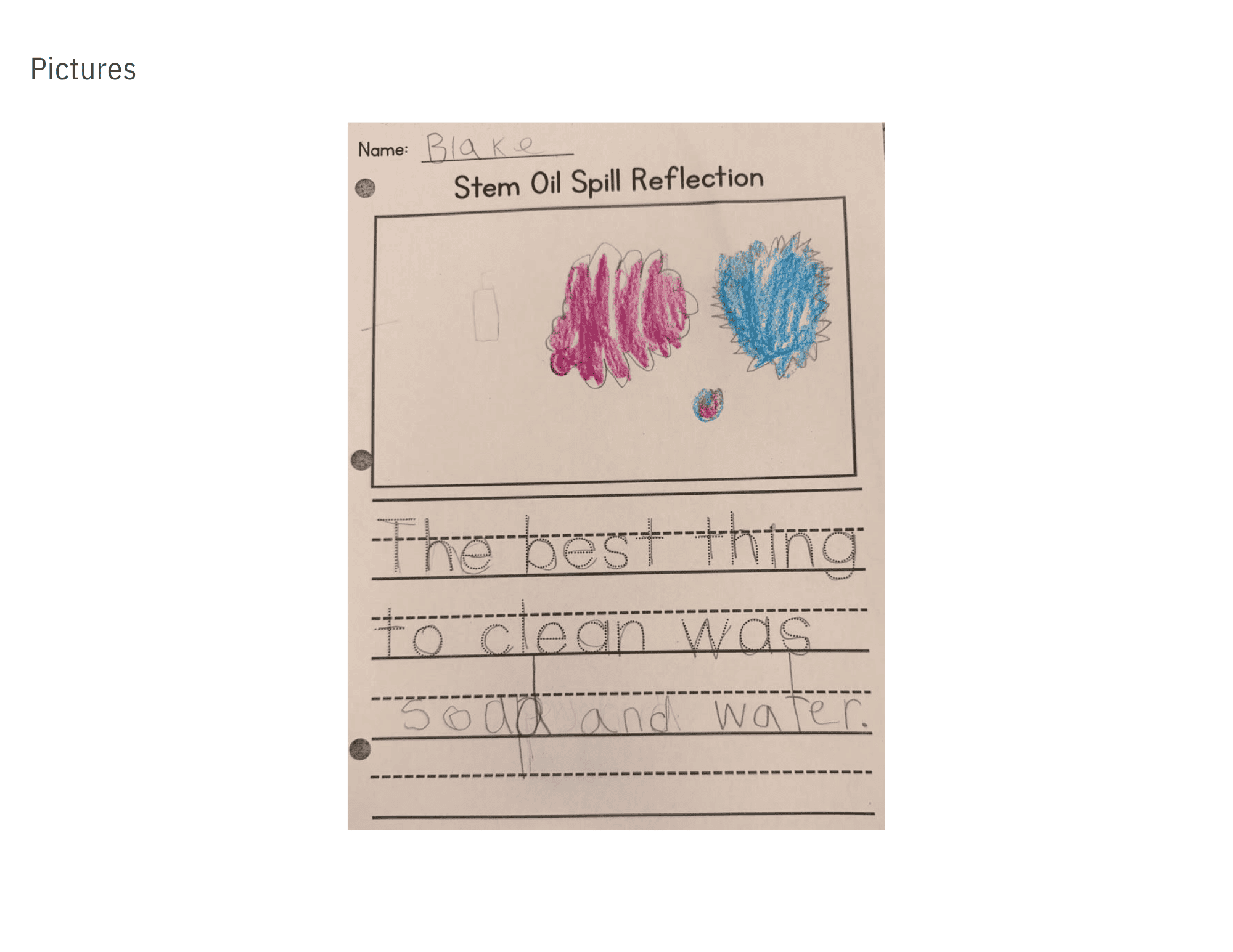
Oil Spill Challenge

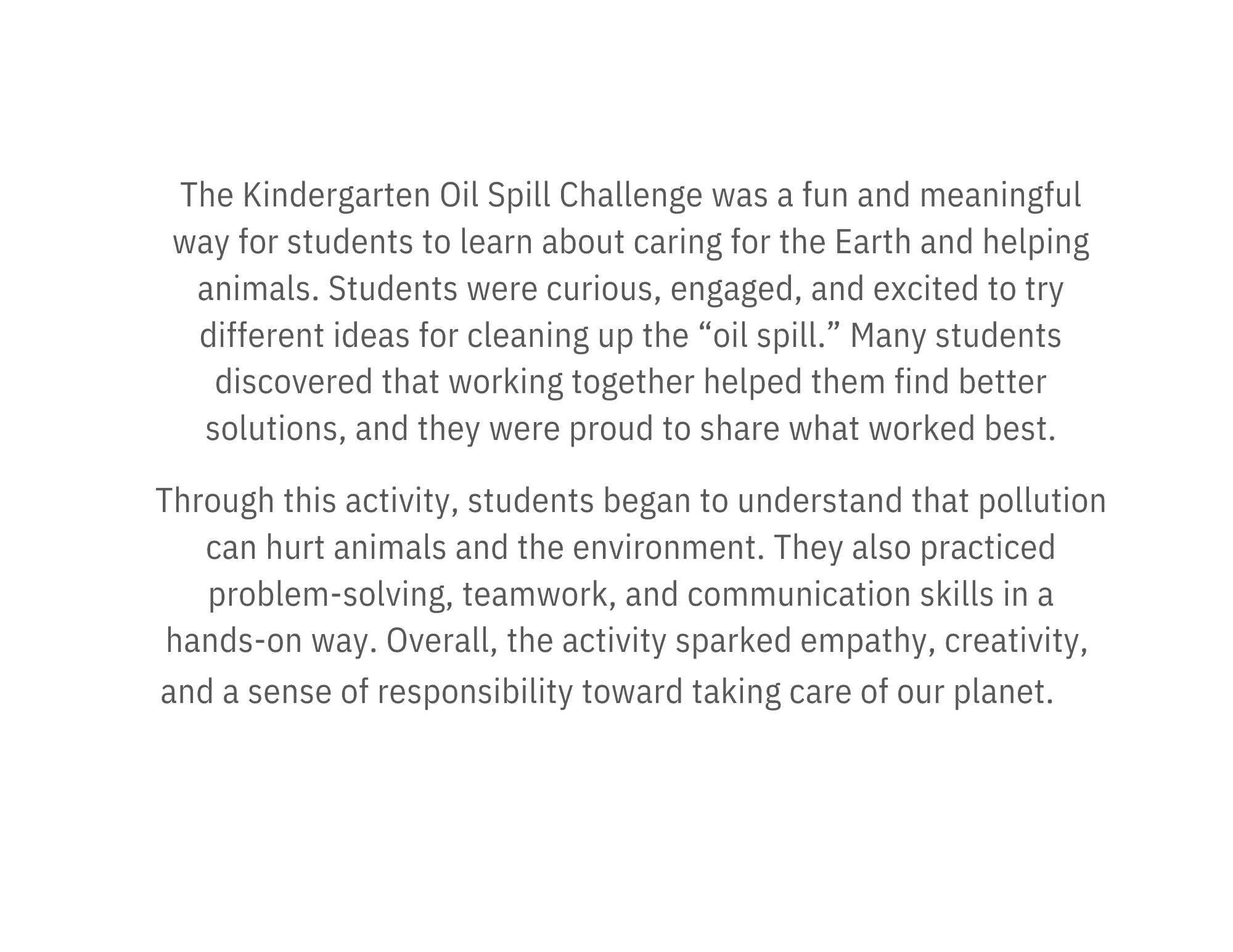
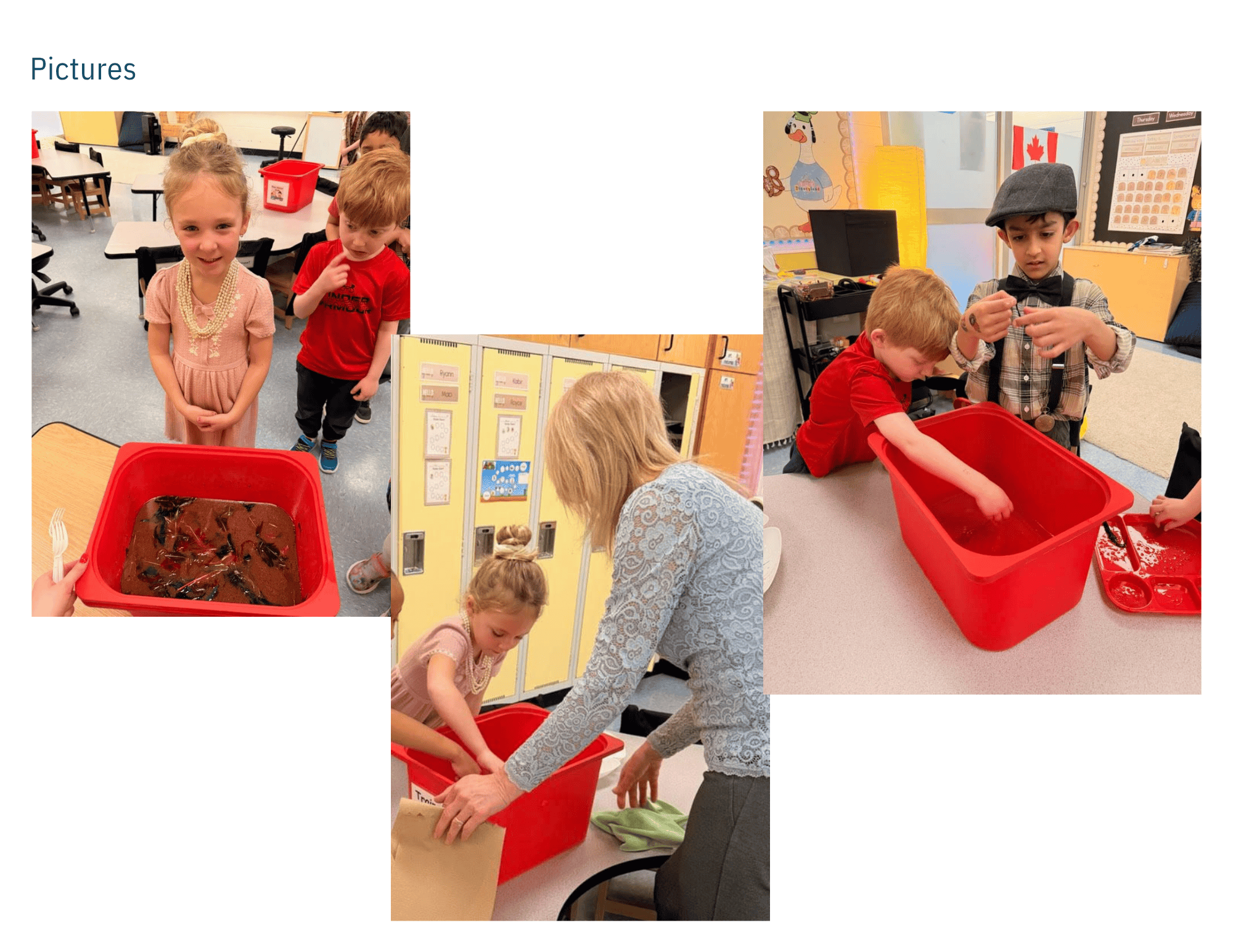
Students learned about the impact of oil spills in the environment through a hands-on activity. Students will work in small groups to try to “clean up” a pretend oil spill using different feathers.

They discovered what works best (cleaning in a bucket of water & vinegar/warm water/water and dish soap).

We finished with a short class discussion and reflection where students can share what they tried, what worked, and how we can all help take care of the Earth. The goal is to build awareness, teamwork, and early problem-solving skills.

THIS CONSERVATION PROJECT WAS MADE POSSIBLE BY
UNION 52 BENEVOLENT SOCIETY.

Westmount School | Grade 7

PAY IT FORWARD


2026 CONSERVATION PROJECT 
Westmount School | Grade 7

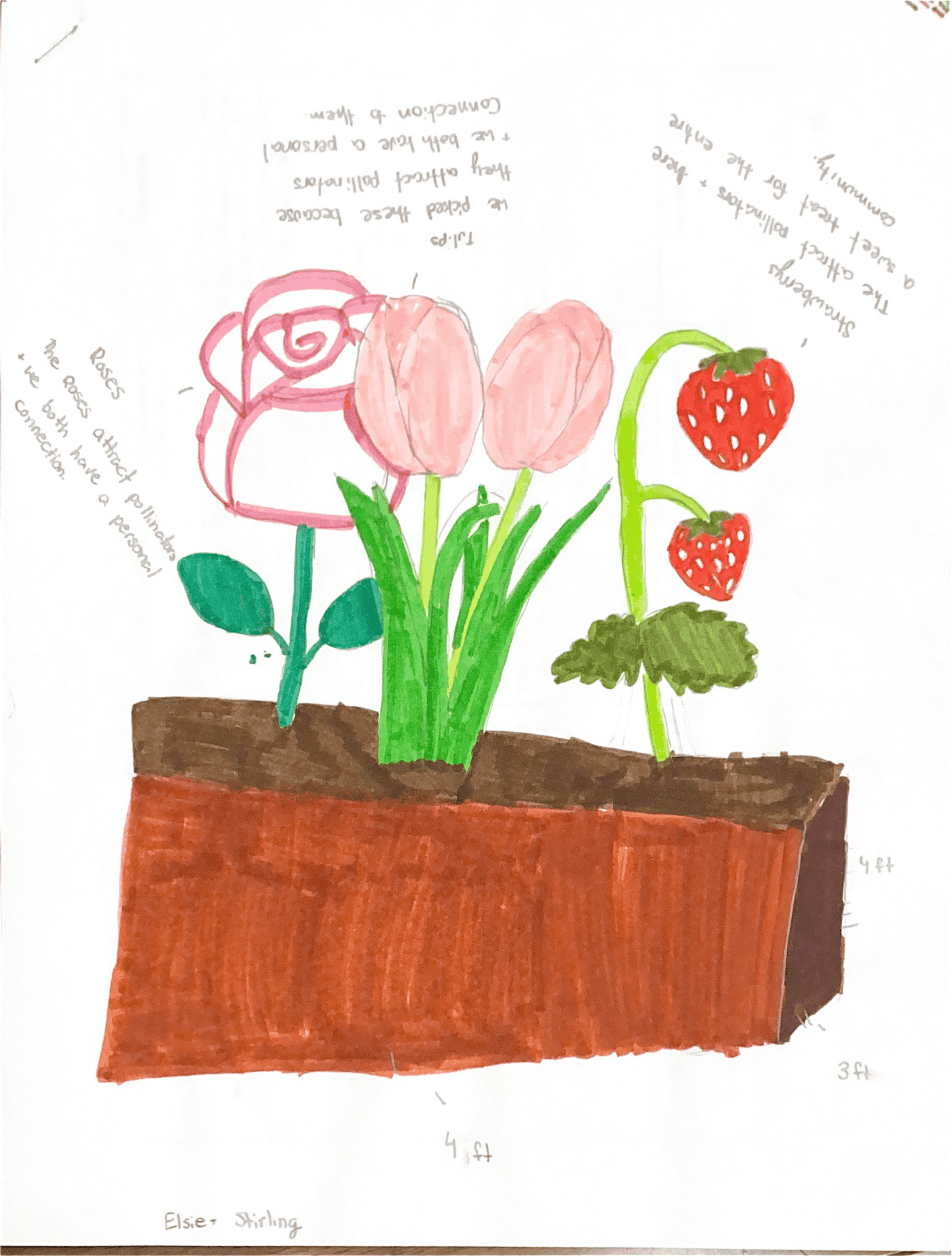
School Planter Design.

Students explored a variety of microhabitats around the school grounds—such as the garden, wooded areas, and high-traffic zones—to observe and document local plant and animal life.

They analyzed biodiversity levels, identified signs of ecological succession, and proposed strategies to enhance habitat health. Following their investigation, students collaboratively designed a plan and map to address any ecological concerns and promote biodiversity through the creation of new garden beds. This phase included drafting preliminary blueprints (an opportunity for cross curricular connections to math through measurement and spatial design).

As a teacher Iearned that even projects that seem small can have a big impact. The project highlighted how student creativity can be engaged and celebrated through a strength-based approach, allowing students to build on their own skills and interests.

THIS CONSERVATION PROJECT WAS MADE POSSIBLE BY
UNION 52 BENEVOLENT SOCIETY.

Inglewood School | Grade 3

PAY IT FORWARD


2026 CONSERVATION PROJECT 
Inglewood School | Grade 3

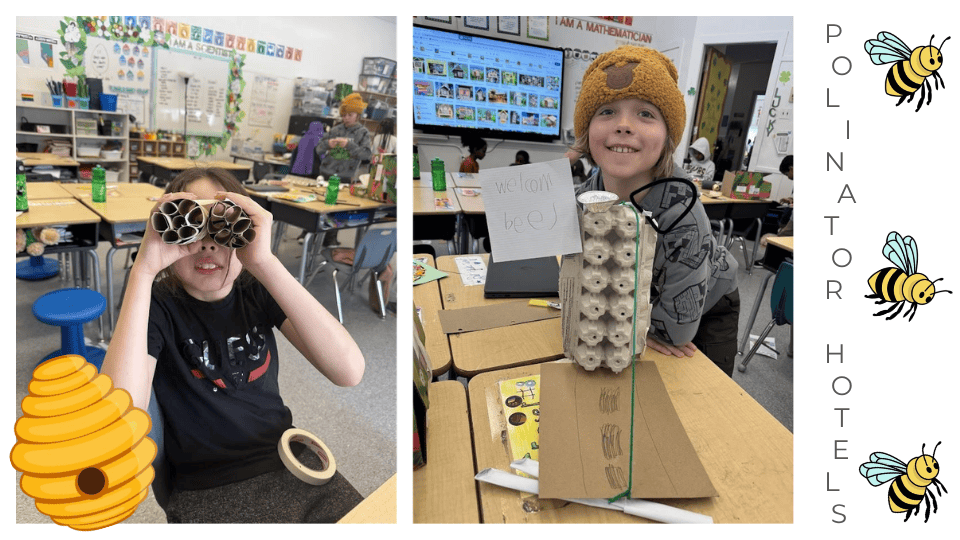
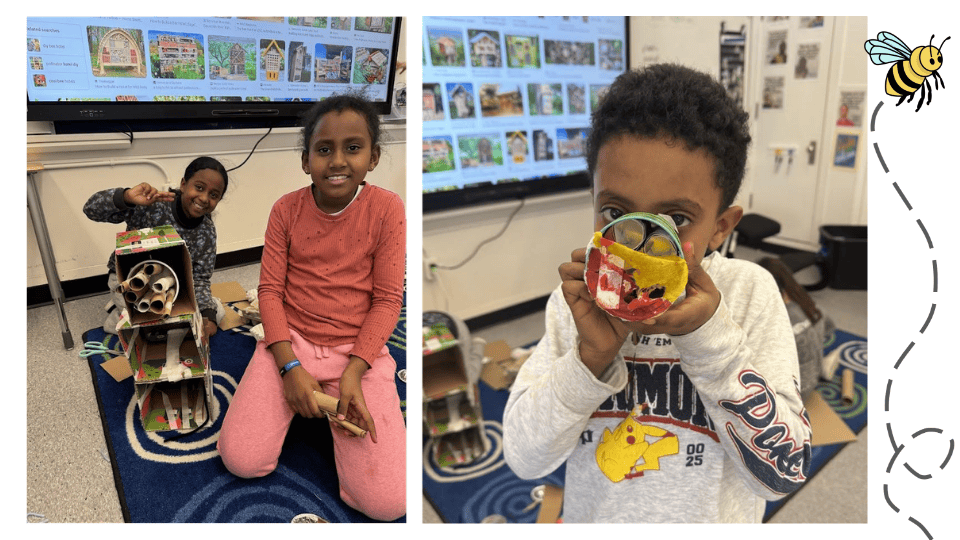
Pollinator Hotels

Grade 3 students at Inglewood School spent the month of May learning about different plants and animals that are native to Alberta, and how we can help protect them.

Students learned that we can do our part to help protect the animals and insects that make our city great. The class really enjoyed creating pollinator hotels from recycled materials collected around the school. They saved up extra cardboard and scrap paper to create places for the pollinators in our neighbourhood to create homes.

The class is very excited to add these to our community garden once the weather warms up. It will be a great way to help pollinators make our community garden thrive!

It was a great opportunity to learn more about pollinators and come up with a project to help pollinators and make our community better too!

THIS CONSERVATION PROJECT WAS MADE POSSIBLE BY
Lafarge

École Leduc Estates School | Grade 6

PAY IT FORWARD


2026 CONSERVATION PROJECT 
École Leduc Estates School | Grade 6

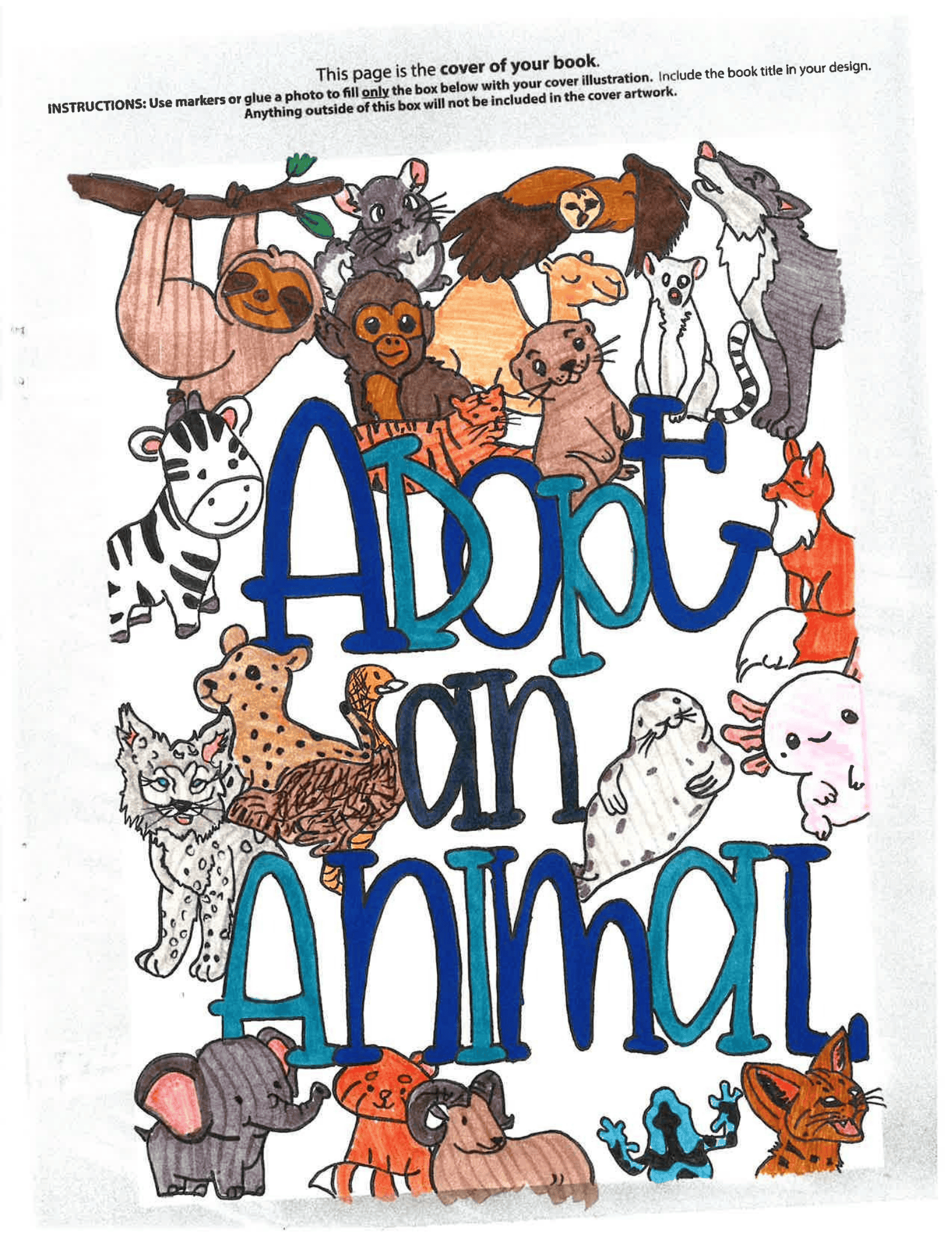
Adopt An Animal

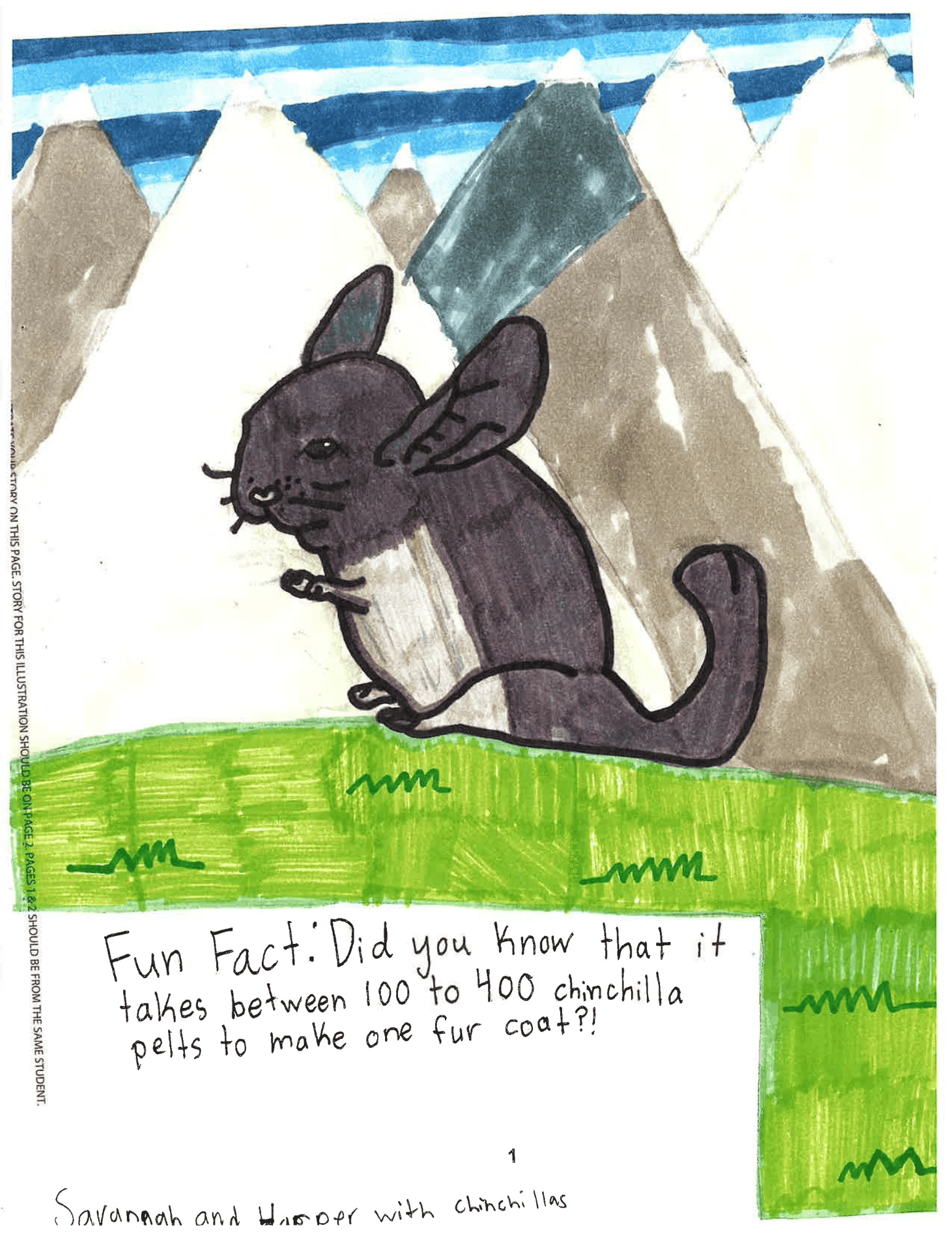
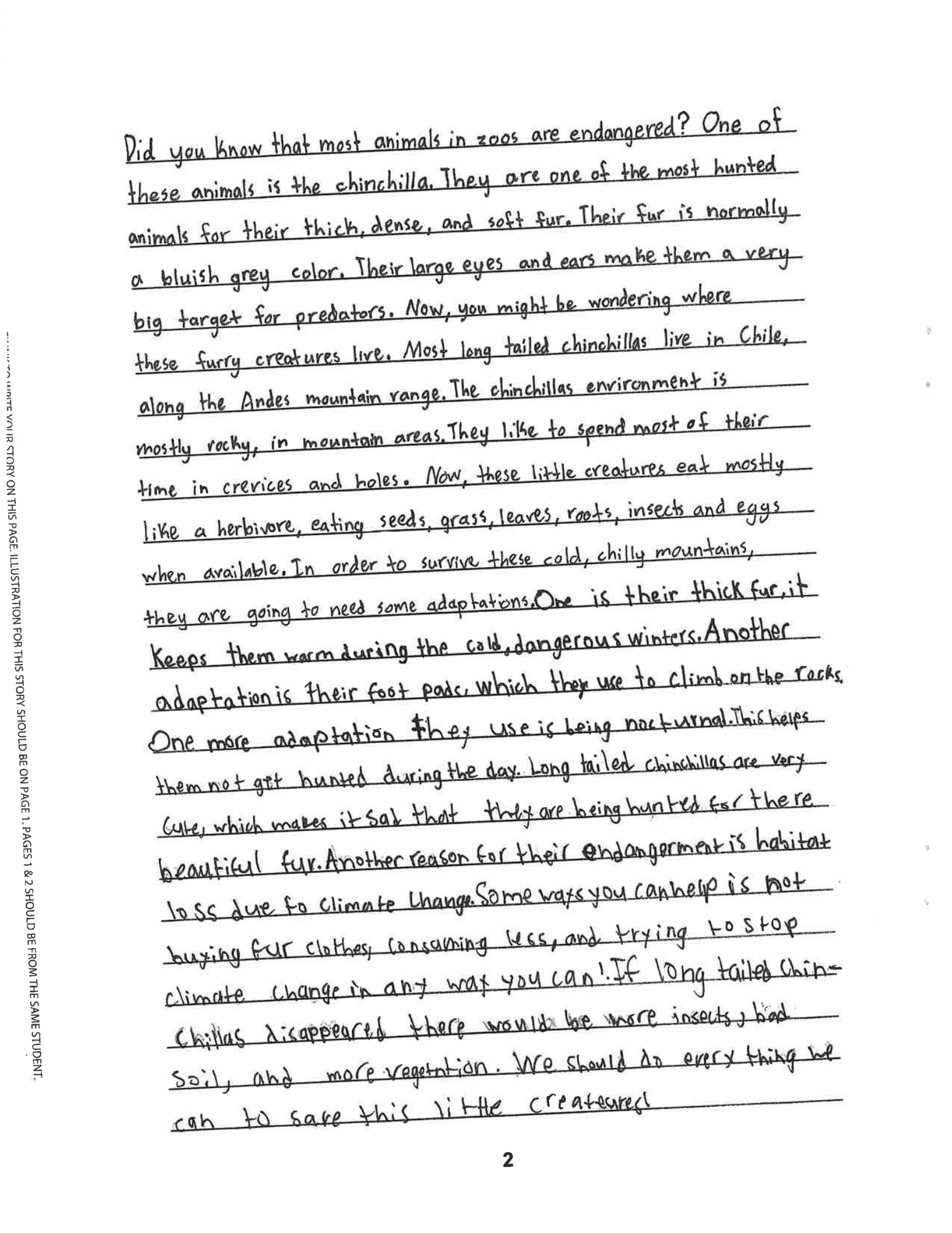
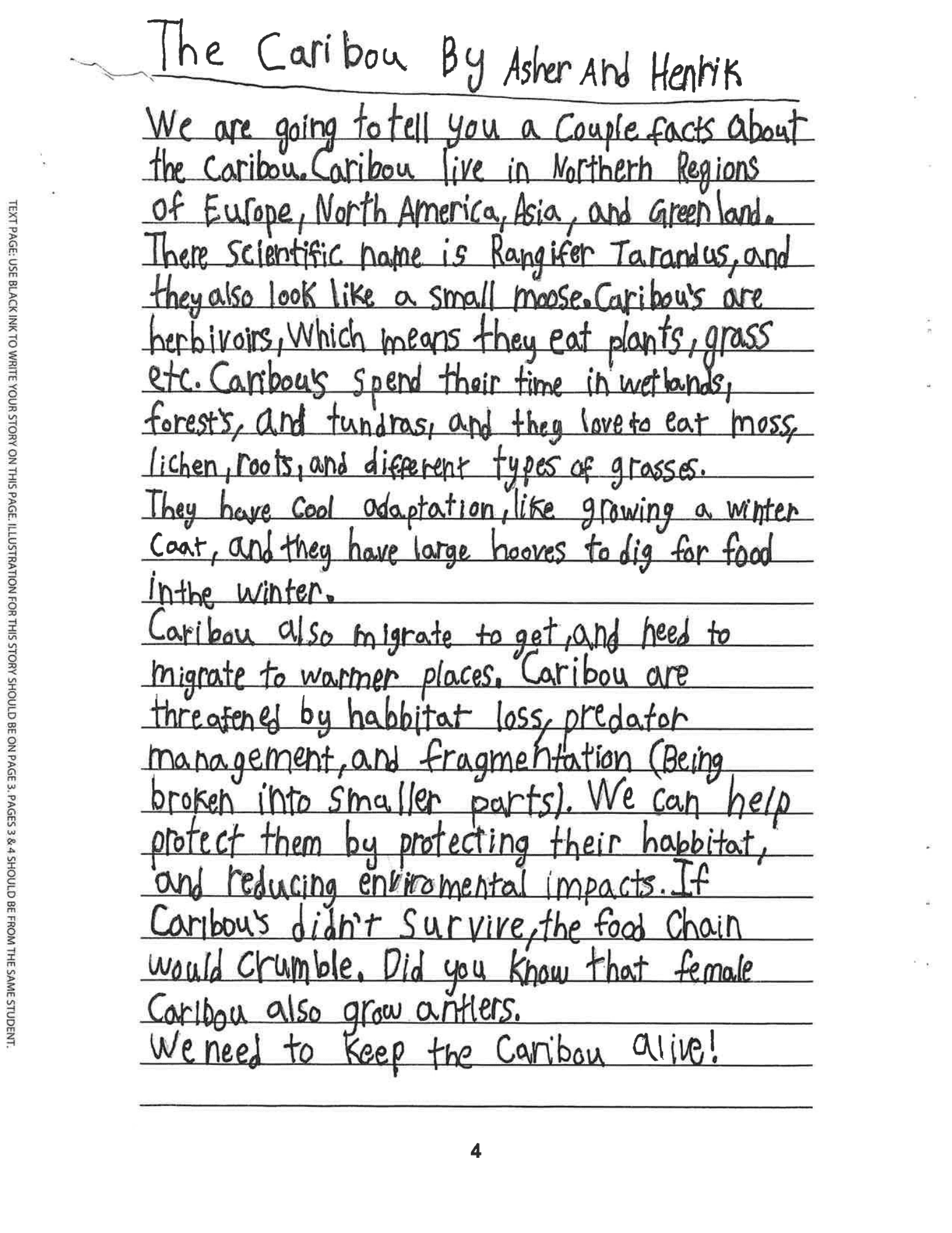
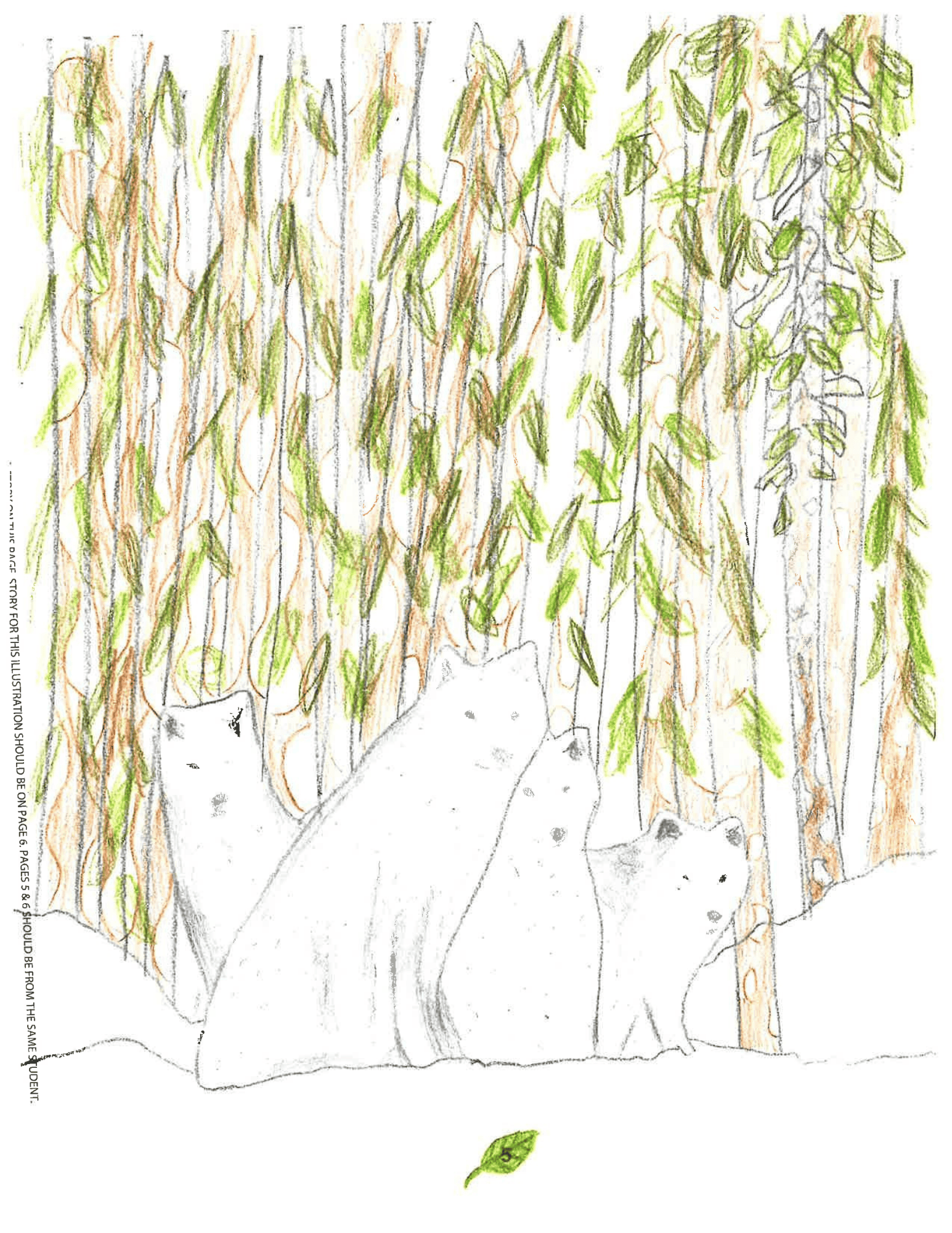
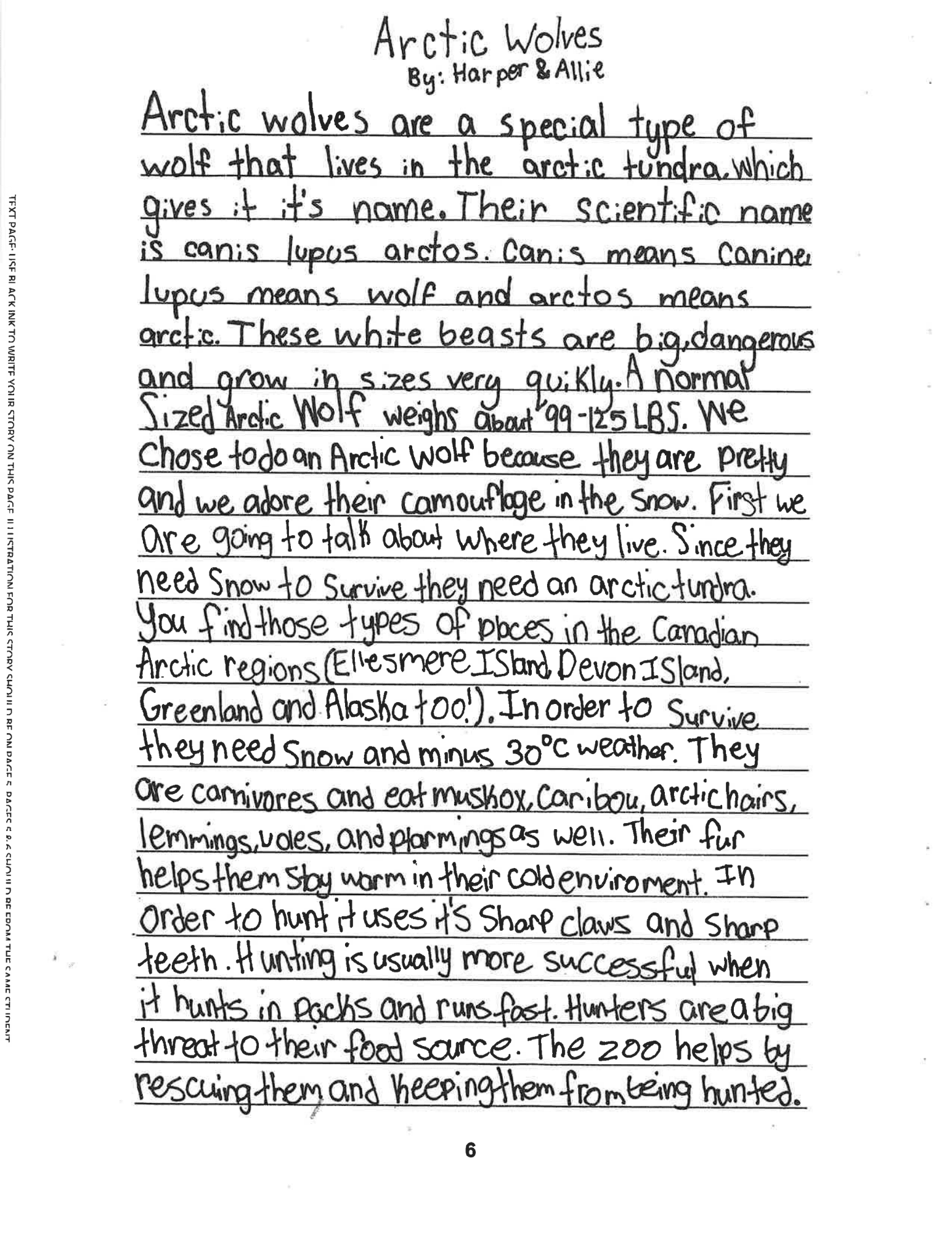
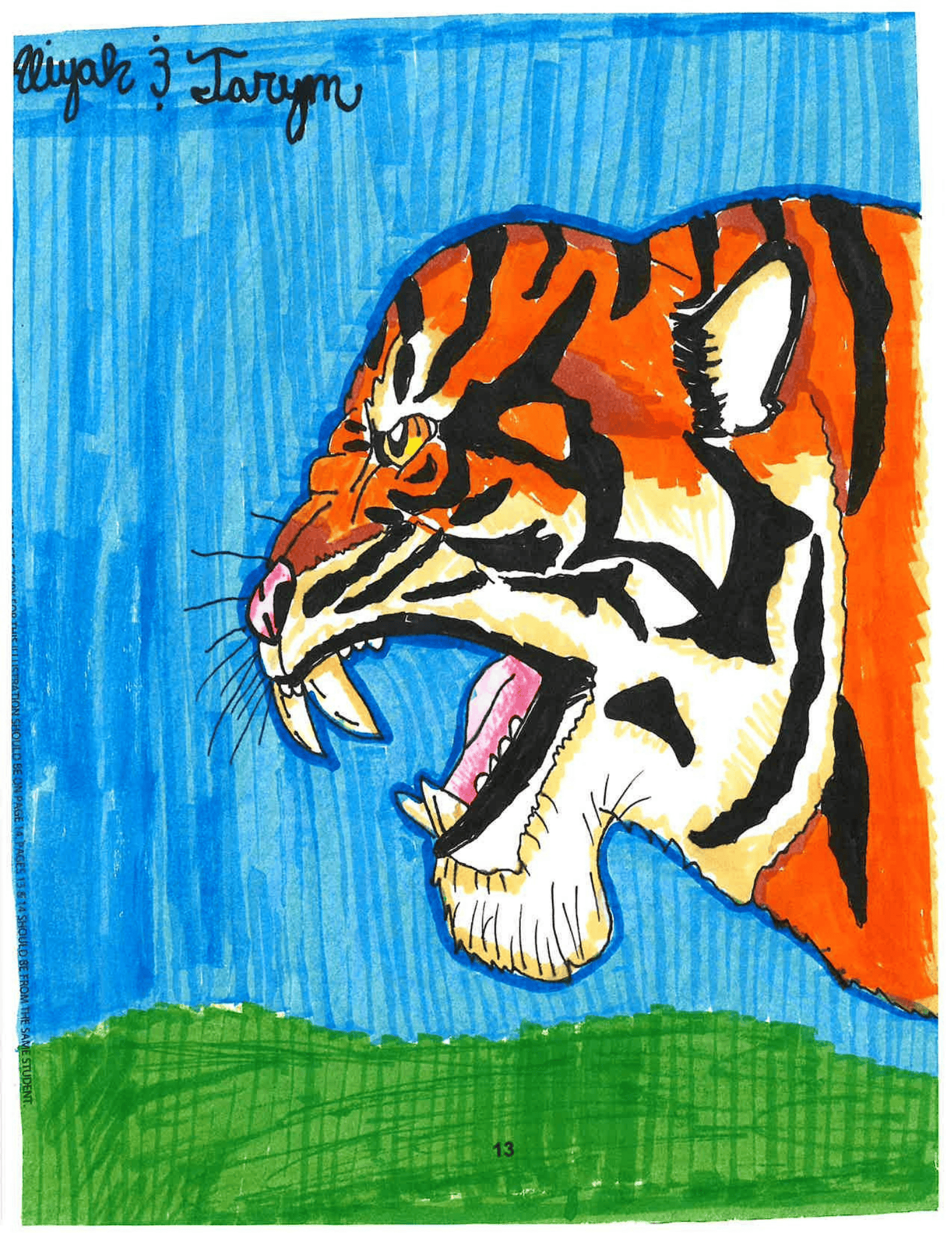
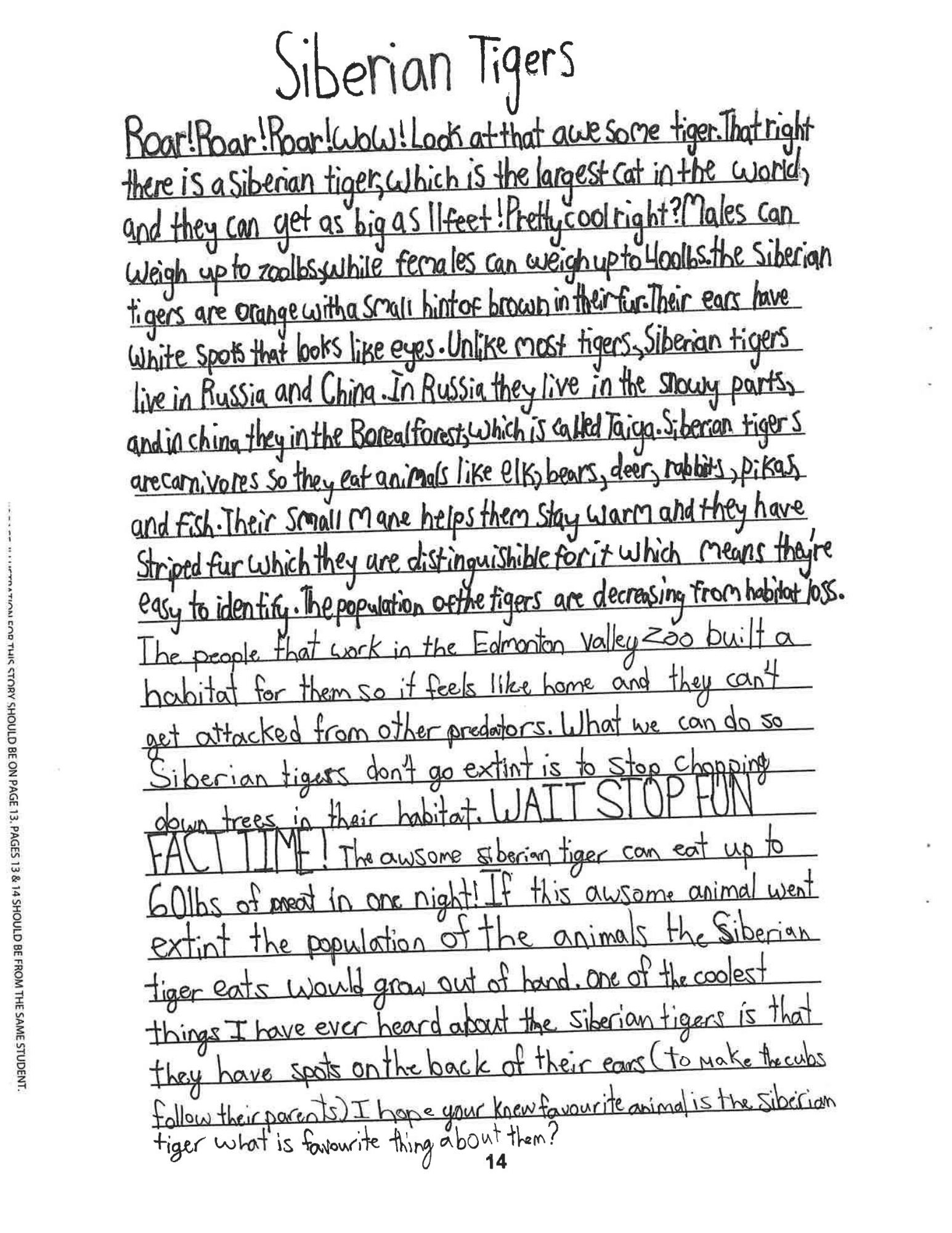
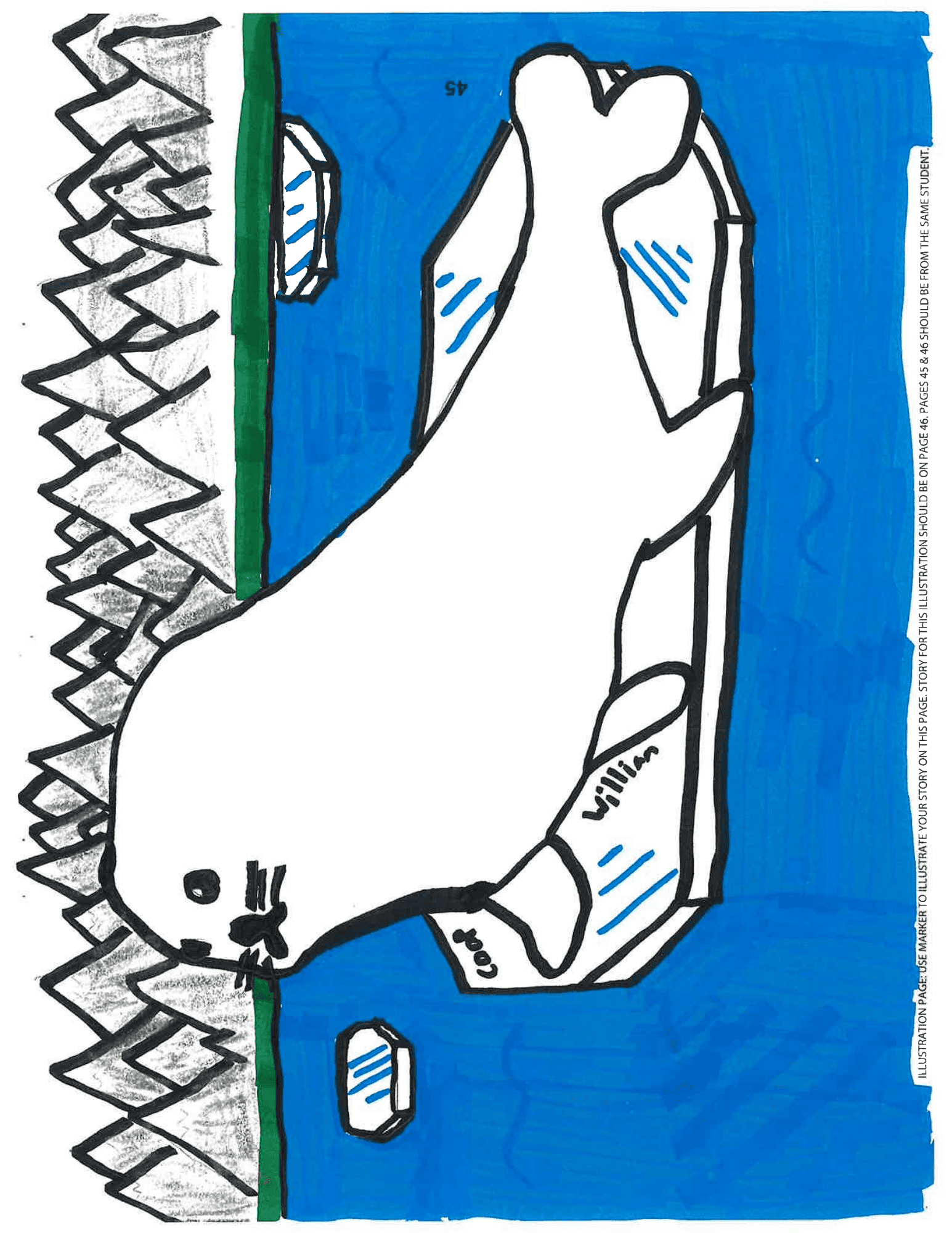
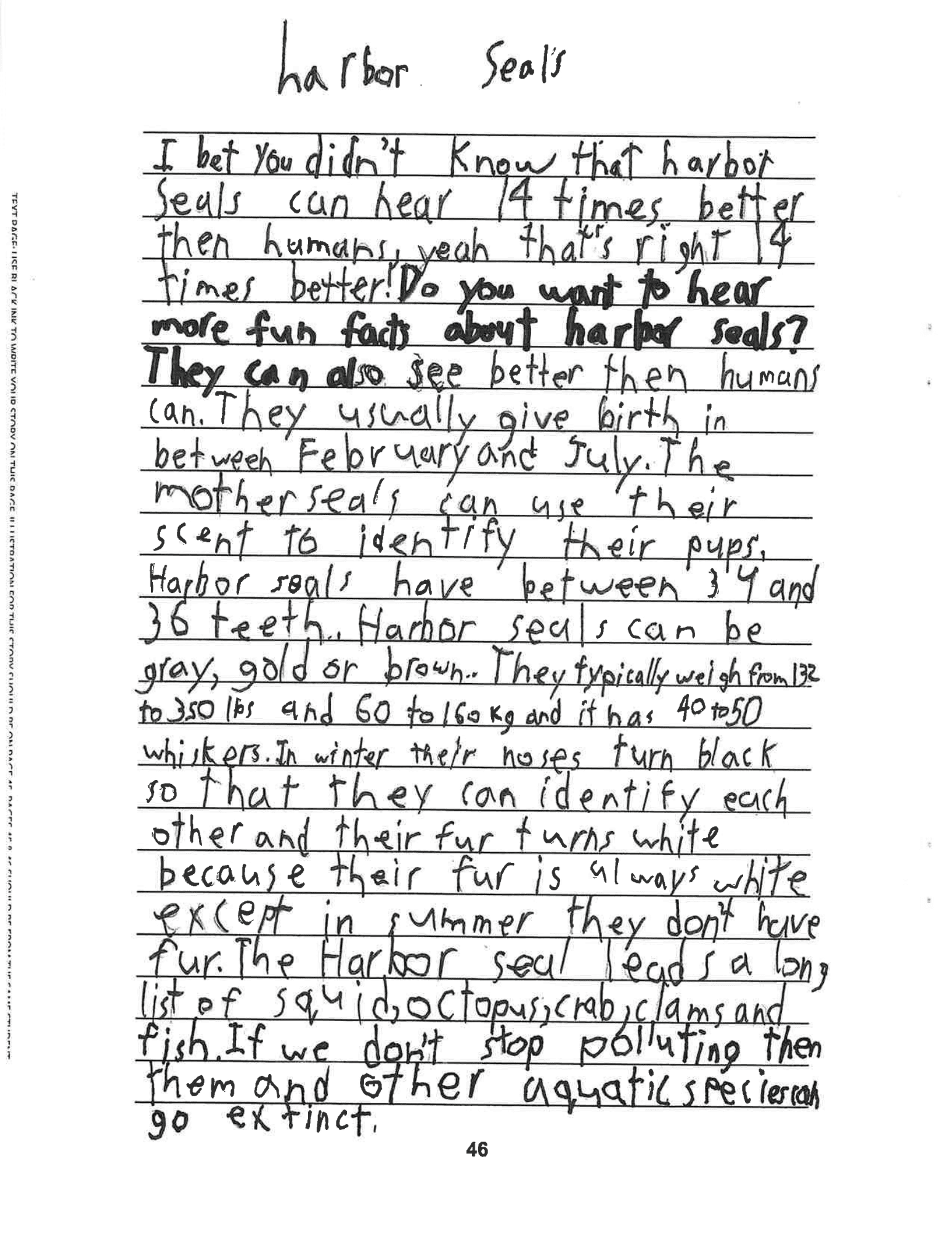
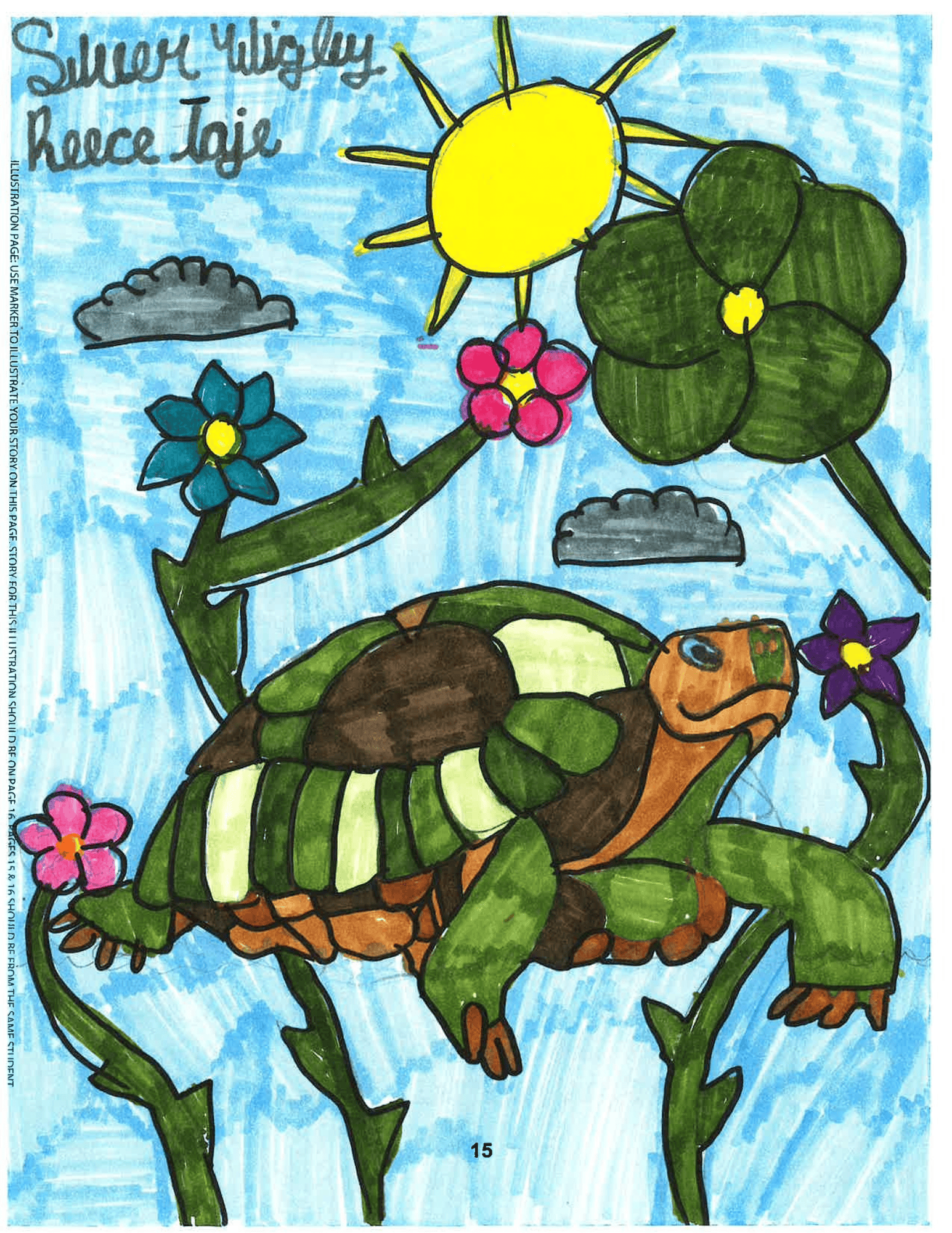
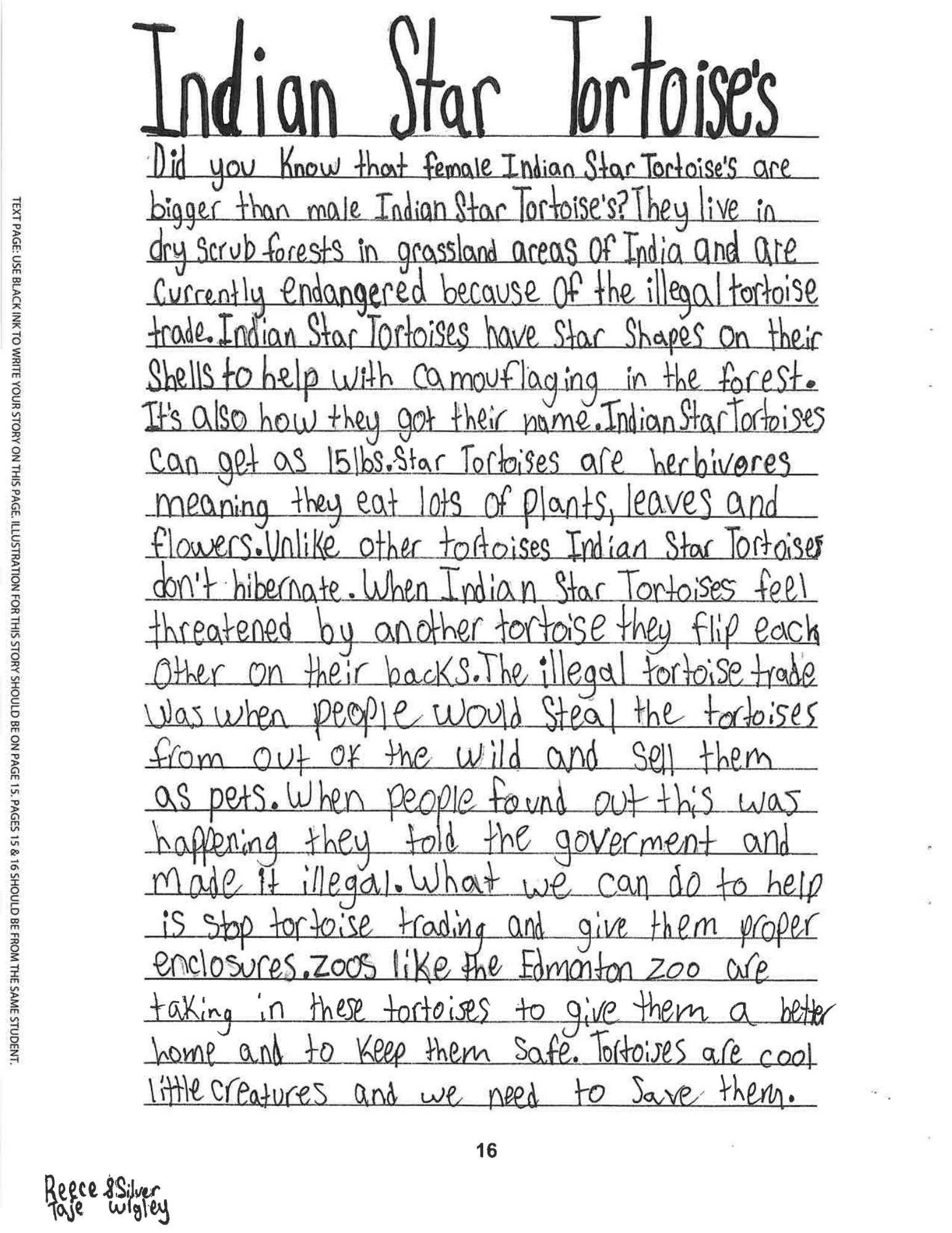
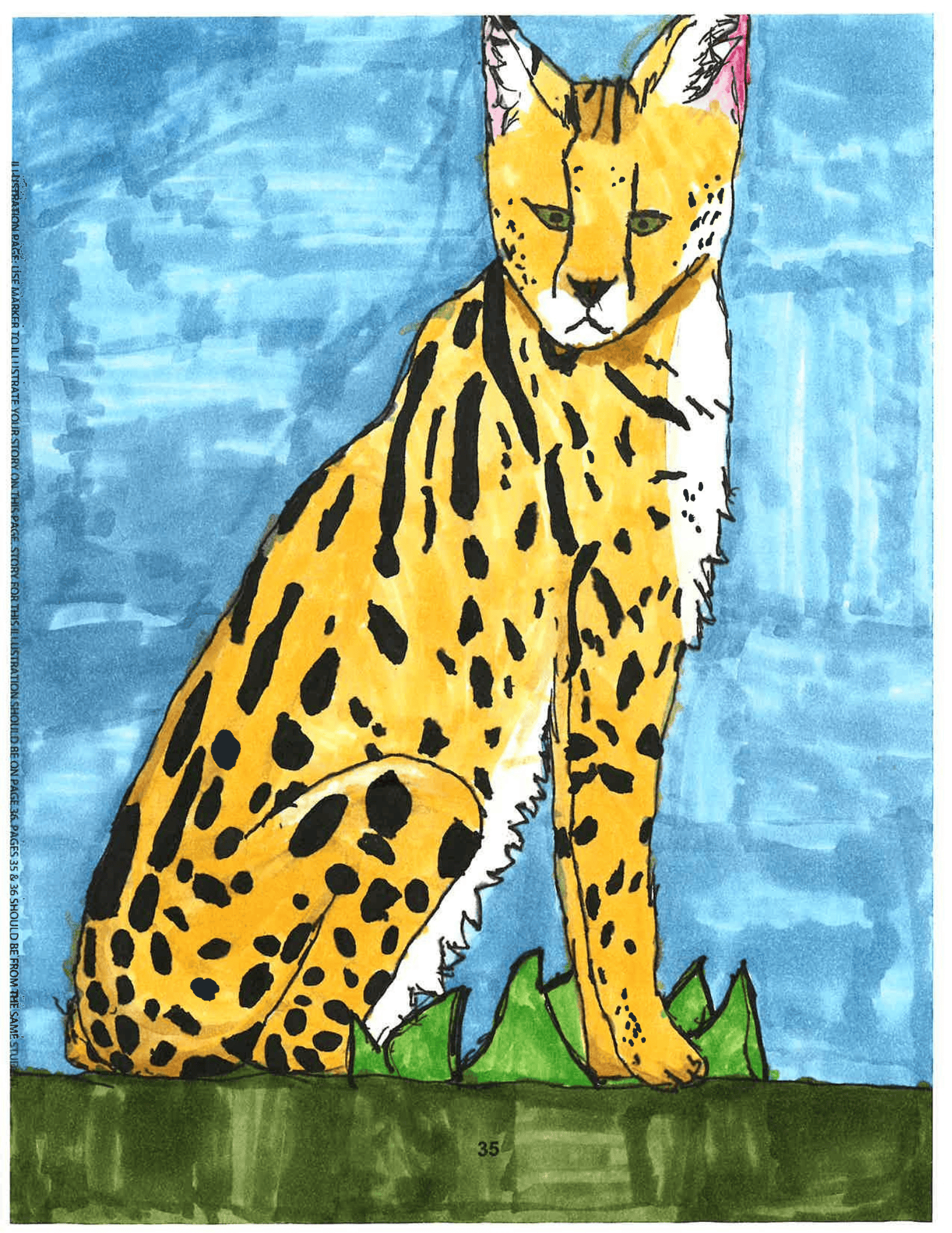
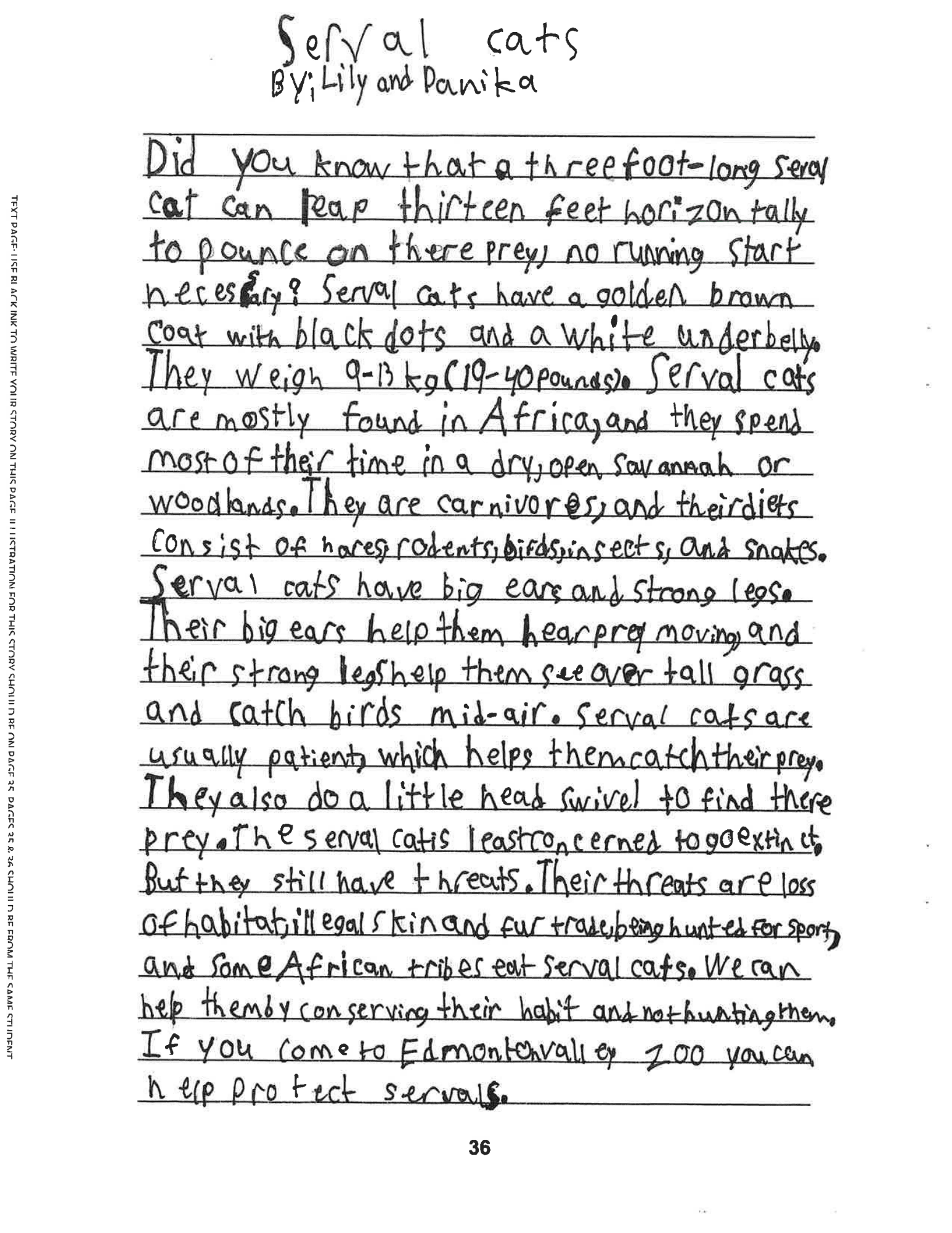
Our Grade 6 students participated in an “Adopt-an-Animal” conservation research project focused on animals found at the Edmonton Valley Zoo. In pairs, studentsl chose an animal to “adopt” and researched key information including its habitat, diet, adaptations, threats to survival, and current conservation efforts.

Through this project, students explored the importance of biodiversity and human responsibility in protecting wildlife. They investigated how zoos support conservation, education, and species protection, and connect their learning to real-world environmental action.

As a culminating task, students participated in a publishing program called StudentTreasures, where they collaboratively created a class conservation book.

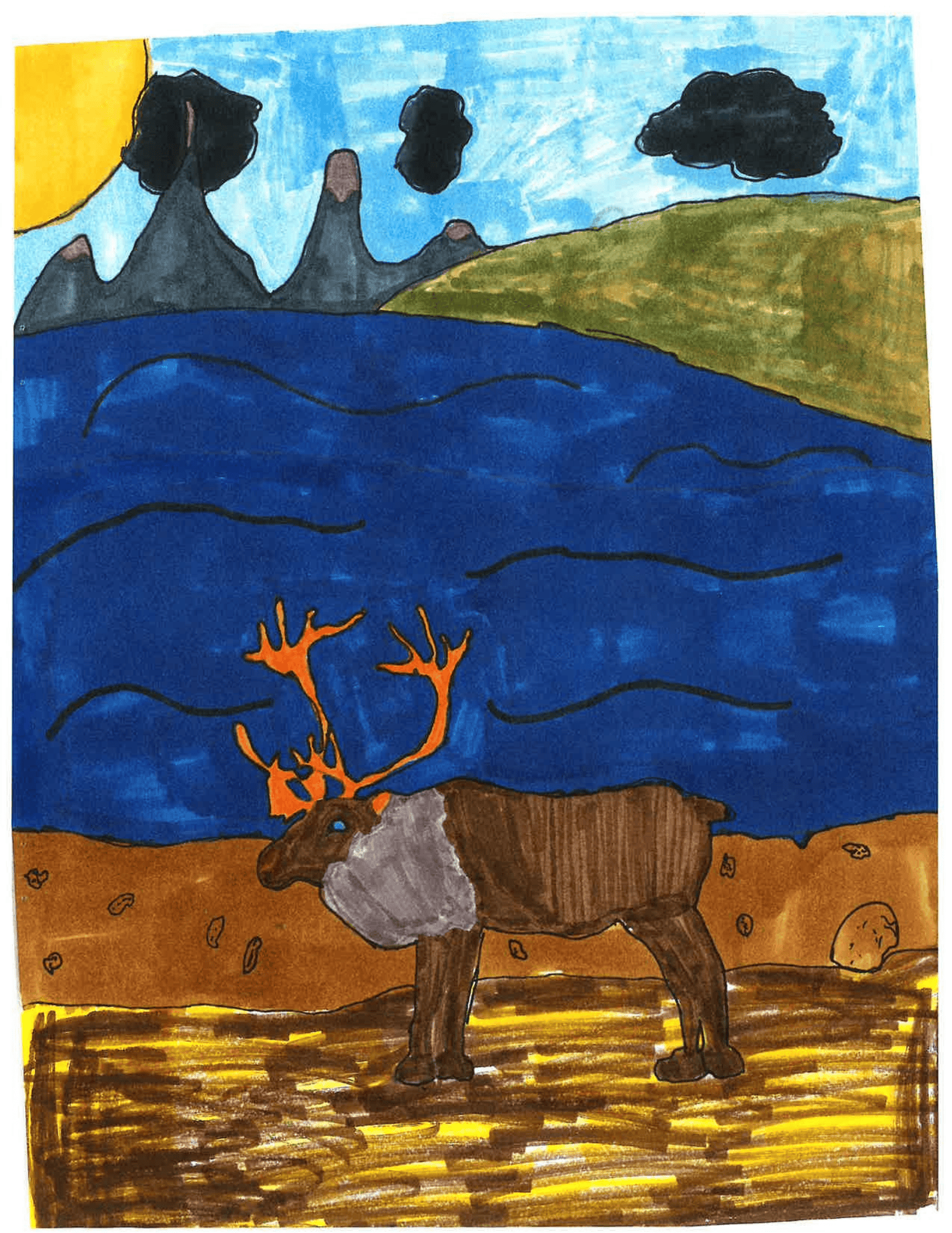
Each student contributed a page highlighting their adopted animal, why it is important to protect, and what individuals can do to help conserve the species. This book will be shared with our school community, and physical copies may be ordered to extend the learning beyond the classroom.

This project supports curriculum outcomes in science, literacy, and social responsibility, while fostering research skills, environmental awareness, and meaningful connections to conservation efforts supported by the Edmonton Valley Zoo.

THIS CONSERVATION PROJECT WAS MADE POSSIBLE BY
Doug Warren

A. Blair McPherson | Grade 9

PAY IT FORWARD


2026 CONSERVATION PROJECT 
A. Blair McPherson | Grade 9

MARCH ANIMAL MADNESS (MAM)

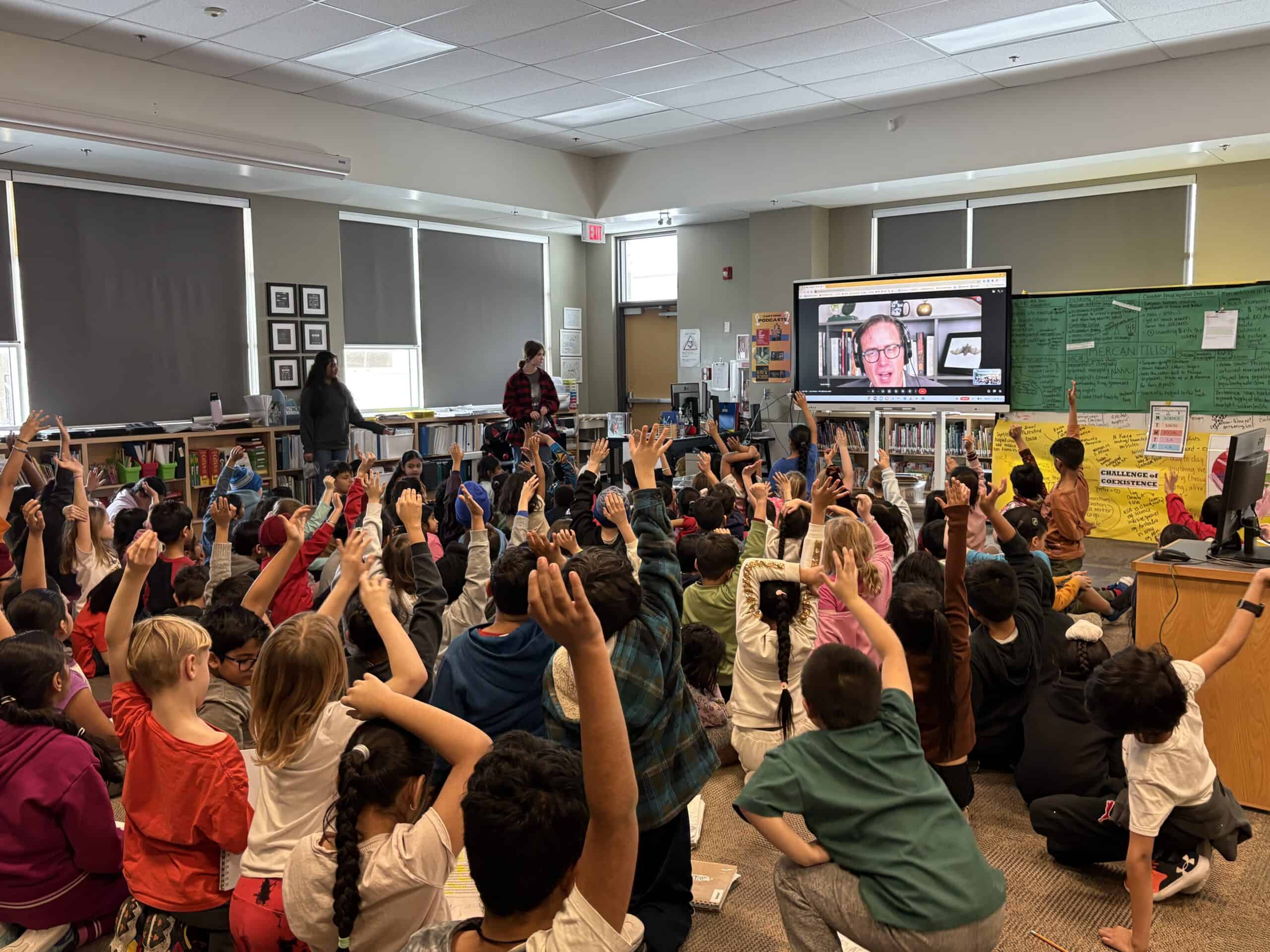
MAM has been happening annually since 2018. It is a bracket elimination “tournament” that requires students to research a specific animal’s habits and adaptations, and then use that knowledge for writing projects in Language Arts class.

The writing is then loaded onto a website for the entire K-9 school to vote on. Grade nines not only write, but run a campaign that involves public speaking, as well as creating signage, magnets, bracelets, costumes and whatever else makes them memorable. After 5 rounds of eliminations, one animal is crowned the champion. Students choose an animal to champion, research its adaptations and Conservation status and fight hard to get their favorite animal through. Even students from other schools vote for their favorites. Students in othe classes assist in MAM as they create buttons, magnets and posters sold at our weekly Pop Up Sops.

Money raised from these shops goes towards animal Ccnservation efforts athe the Edmonton Valley Zoo.

Want to see more of the madness? Visit their website here!

THIS CONSERVATION PROJECT WAS MADE POSSIBLE BY
The Melton Foundation

Les Causeries Playschool | Preschool

PAY IT FORWARD


2026 CONSERVATION PROJECT 

Les Causeries Playschool | Preschool

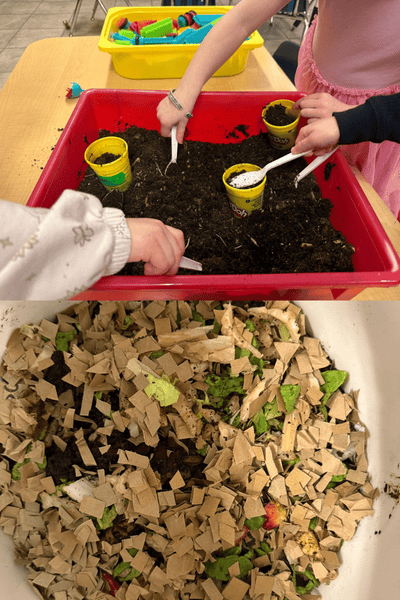
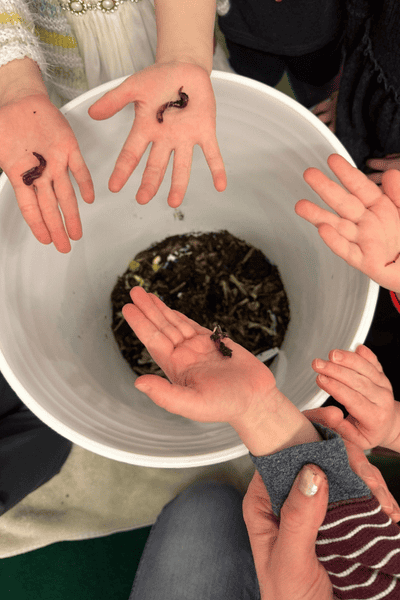
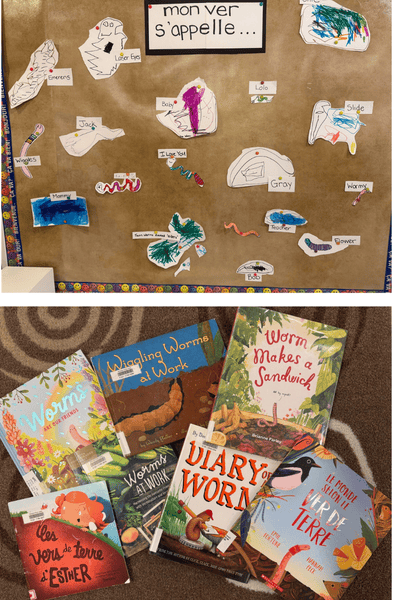
Vermicomposting

Les Causeries Playschool would like to thank Raymond James for sponsoring our amazing field trip to the Edmonton Valley Zoo this school year. Our children were so excited to see the different animals, learn about the animal habitats, and get up close to a tortoise. For our Pay it Forward for the Planet project this year, we introduced the idea of composting. We added a green bin to our garbage and recycle bins, and encouraged children to put their food scraps from their snacks in the green bin. Whenever someone had a banana for snack, there was lots of excitement about putting the peel in the green bin. As an extension of the green bin we adopted a bin of red wiggler worms as our class pets. The children got to see how their food scraps were actual food for the worms, and how the worms used our garbage to make castings to help us grow more food. The children learned about what worms like to eat, and helped feed the worms fruit and vegetable scraps and brown paper that they had cut up themselves. The children were very interested in looking at the worms, and learned how to be careful and gentle when opening the worm bucket and handling the worms. In addition, we used the worm castings to mix with potting soil to plant flowers that each child will be able to take home when the weather warms up. Through this process, the children were able to see how they can be responsible with their garbage to help other creatures and to help grow more plants for our community. As a class we read many books about worms and learned how they can help us and we can help them, and the children were able to make connections with their behaviour for other plants and animals. It was great to see the children so engaged in taking care of our “pets” and so interested in how the worms were able to make dirt from our garbage. This whole project provided many opportunities for the children to learn to be responsible for the environment, and we are grateful to have had the chance to see other animals that the zoo is supporting through their conservation efforts.

THIS CONSERVATION PROJECT WAS MADE POSSIBLE BY
Raymond James Ltd.