Q

Valley Zoo Development Society

The Valley Zoo Development Society (VZDS) is a registered charity and friend of the Edmonton Valley Zoo (EVZ). The VZDS is proud to take a lead role in the EVZ’s stunning transformation into a special place that inspires love and learning of the natural world.

Impact of Your Support

Children are fascinated by the natural world, especially by animals. By providing them with a fun setting where they can learn about animals & nature, we can create life-long ambassadors for the long-term health of our planet.

THANK YOU FOR YOUR DONATION!

Rio Terrace | Preschool

PAY IT FORWARD


2026 CONSERVATION PROJECT 

Rio Terrace | Preschool

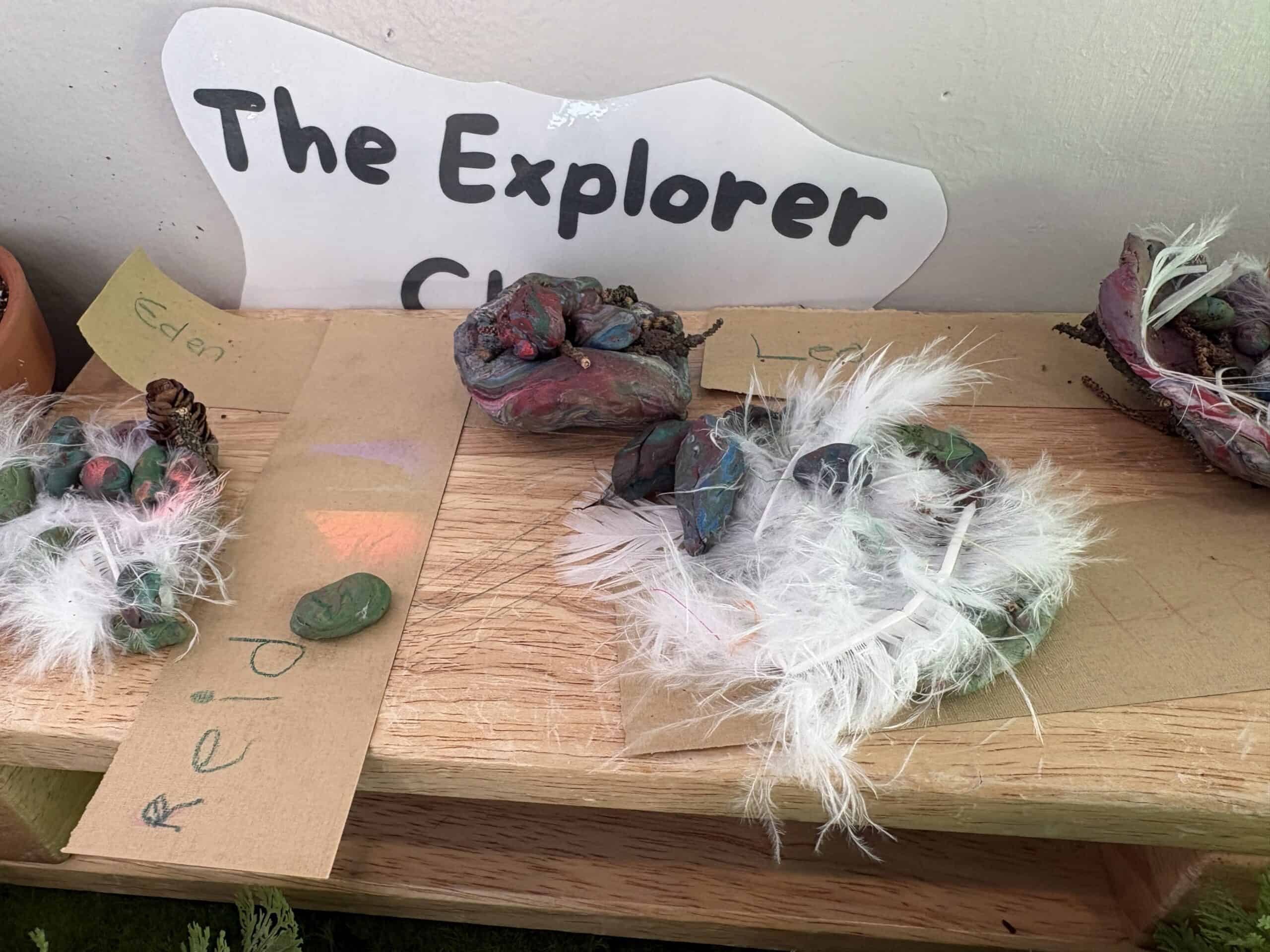
Owls in the neighborhood

Our preschool class explored owls, what they looks like how they build nests, how their eyes and talons work.

We used different methods of art to explore how owls look, while working on the projects we were able to engage in conversations on how to protect owls in our neighborhood by decreasing light pollution, cleaning up litter and using less single use items in our day to day. Walking through the river valley we would look for signs of owls and discuss how owls hunt, and live in our neighborhood.

We used a video to start our conversation with the class about how owls eyes are unmoving and then built a binoculars type object for students to use to show how owls rotate their heads to see versus moving their eyes.

THIS CONSERVATION PROJECT WAS MADE POSSIBLE BY
Raymond James Ltd.

Joey Moss School | Interactions

PAY IT FORWARD


2026 CONSERVATION PROJECT 

Joey Moss School | Interactions

Interactions: Learning About Animal Project

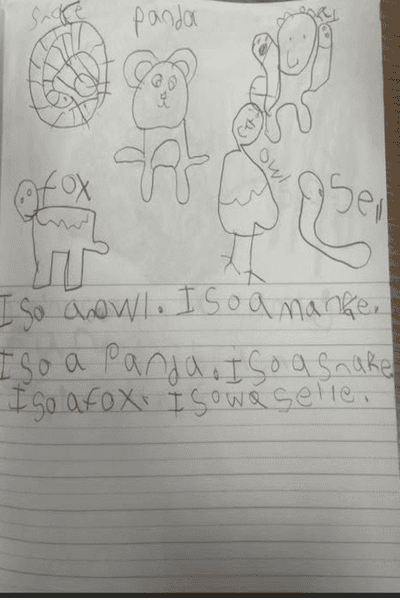
The learning project completed by the three Interaction classes at Joey Moss School showcased their research and understanding of a variety of animals, including dinosaurs, animals that can live in zoos, and insects. This project was made possible by the Pay It Forward Grant and a field trip to the Edmonton Valley Zoo. The students' learning was supported by a variety of specialized, evidence-based tools.

The learning process involved:

Literacy Program: Students watched videos to anchor their learning, then read differentiated texts on animal topics using the evidence-based literacy program for learners with complex needs.

Writing Activities: Students applied their understanding through a variety of writing and craft activities. They completed predictable chart-writing sentences to describe what their animal looked like, its habitat, and its diet.

Assistive Technology: Students utilized educational software, including Clicker, to compose their own sentences. This program provides visual and auditory scaffolding to help complex learners independently express their ideas and meet their individual IPP writing goals.

The outcome of the students' experiential learning is a Google Slides project that documents their animal research work. This presentation will be shared with parents and the Joey Moss School community to highlight the work of the complex learners and the supportive efforts of the classroom team in utilizing assistive technology to help students communicate their understandings.

THIS CONSERVATION PROJECT WAS MADE POSSIBLE BY
Lafarge.

Belmead | Grade 1

PAY IT FORWARD


2026 CONSERVATION PROJECT 

Belmead | Grade 1

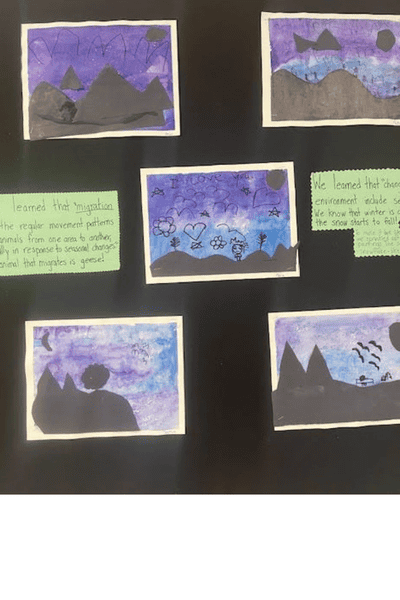
The Way Animals Move

We explored how animals move. How they survive in their enviroment and how they conserve their energy. We explored videos researched about animals and visited the Zoo. We learned interesting features and characteristics animals have to help them survive and thrive in their enviroment. Journaled about the things we saw, did virtual tours of zoo's, and think pair shares.

We explored objected and how they move and related it to animals. Visiting the Zoo tied nicely into two of our units we are studying and will be studying in Science; Movement of Animals, and Needs of Animals.

Students explored animals: where they live, what they eat, why they move and how they get and replenish their energy. Students experienced first hand, seeing and working hands on.

Some of the science outcomes explored include: Objects and animals: how they move along pathways in a variety of ways, such as rolling, bouncing and sliding. These outcomes allow for discussion and connection between seasonal changes and animal changes to help adapt to their environment along with how they store energy.

THIS CONSERVATION PROJECT WAS MADE POSSIBLE BY
The Field Law Community Fund

St. Vincent Catholic School | Grade 3

PAY IT FORWARD


2026 CONSERVATION PROJECT 

St. Vincent Catholic School | Grade 3

Exploring Natural Events and Processes.

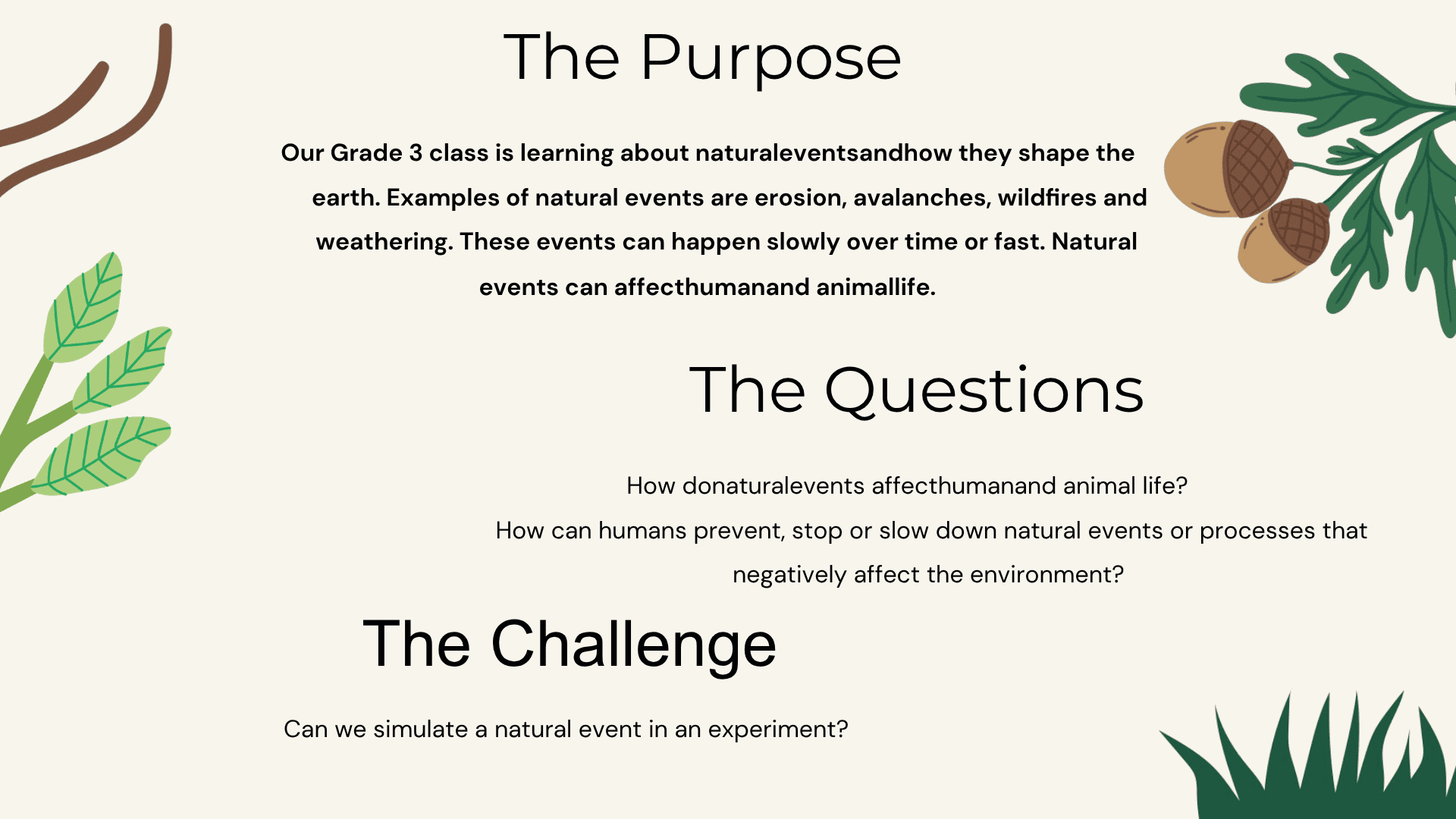
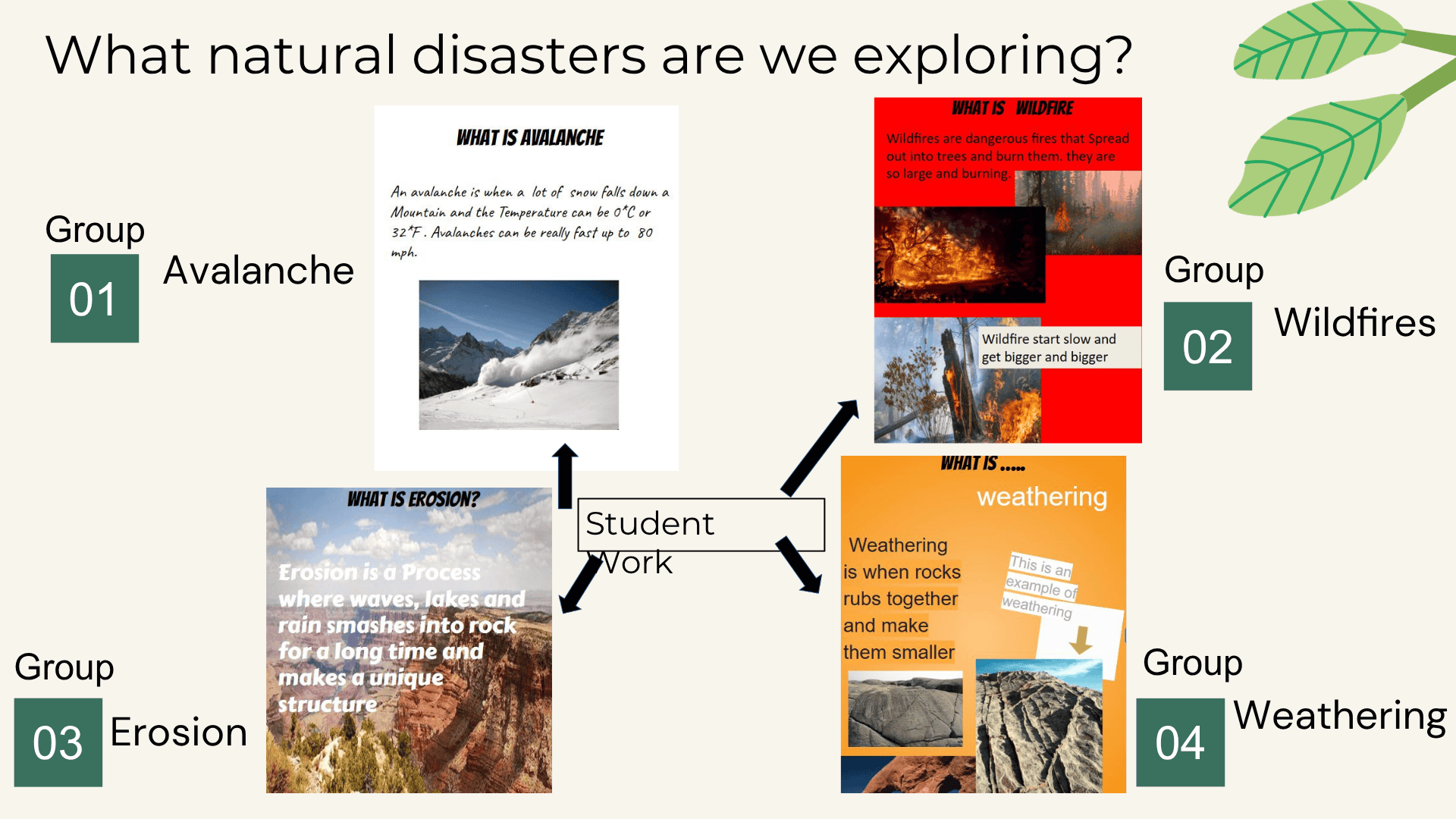
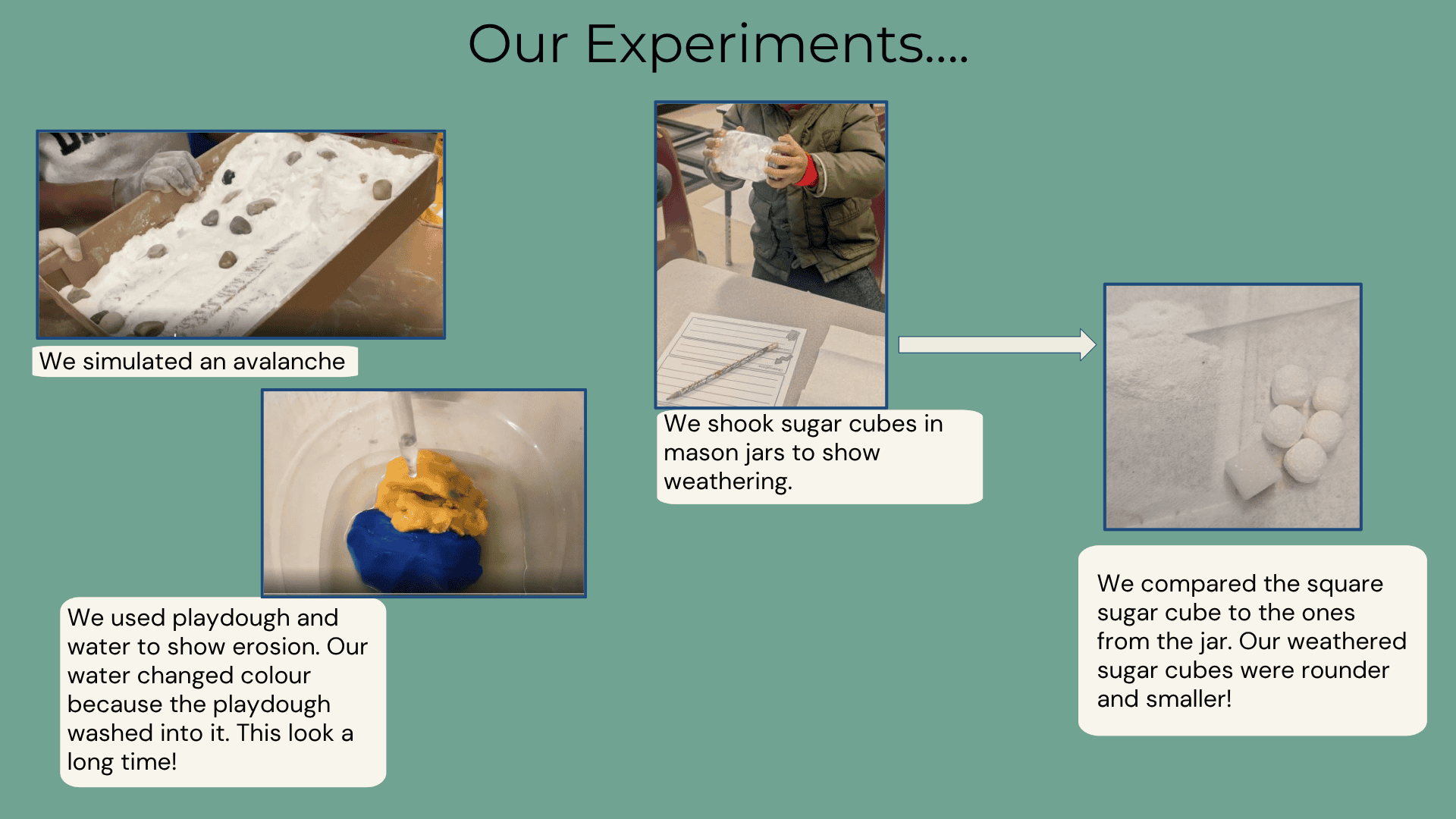
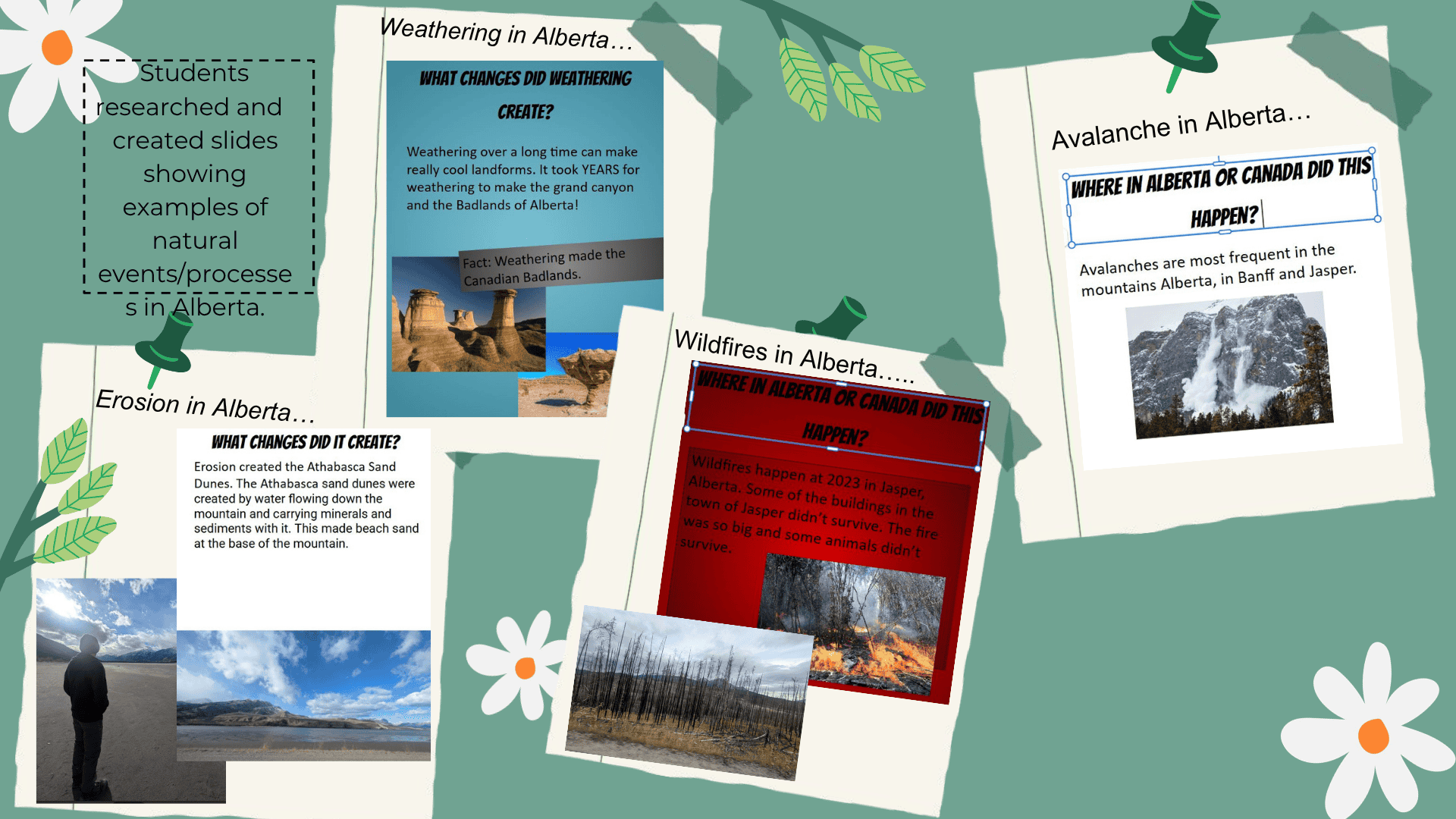
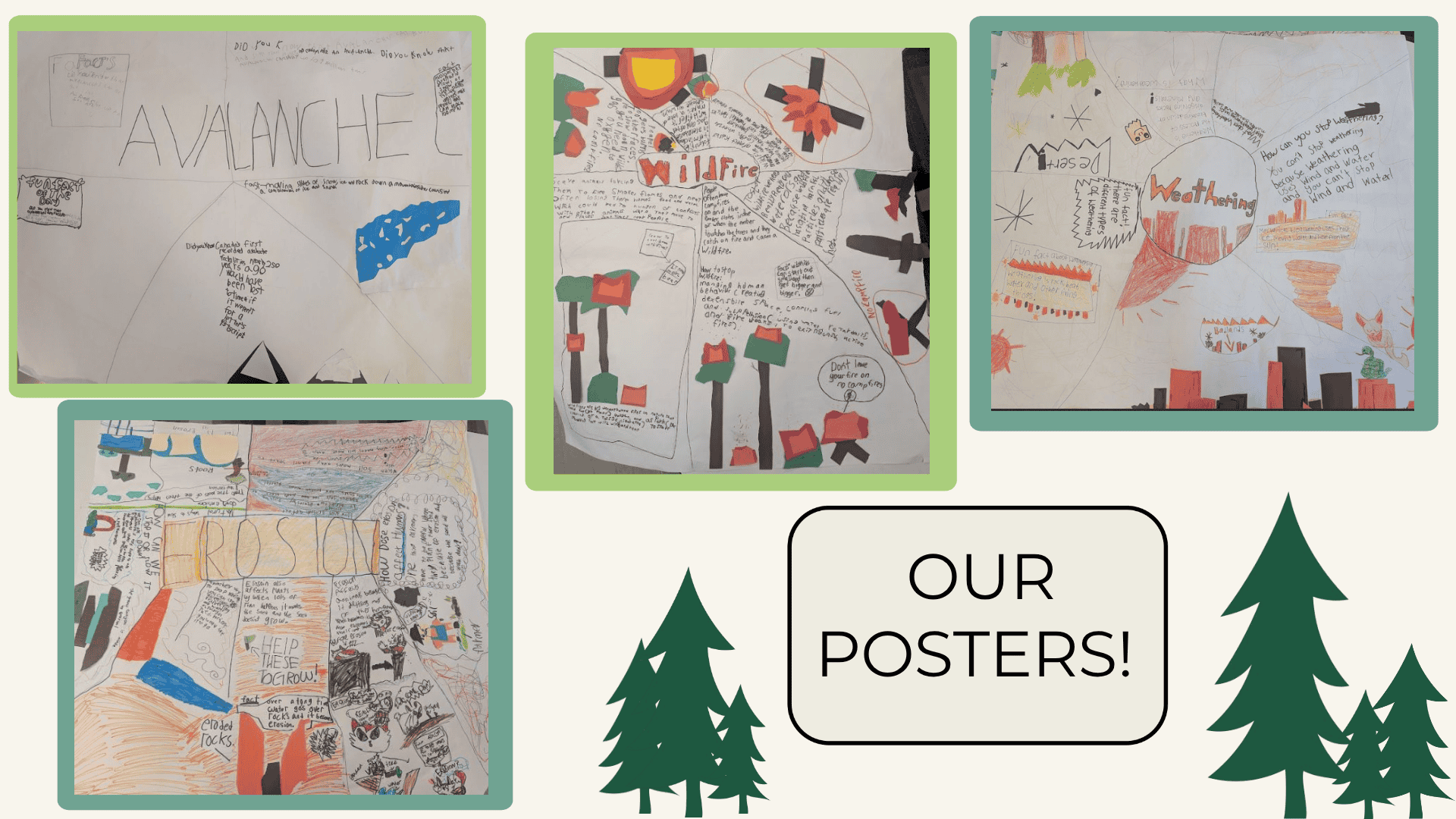
Our Grade 3 class is learning about natural events and how they shape the earth, and how they impact human and animal life. Examples of natural events are erosion, avalanches, wildfires and weathering.

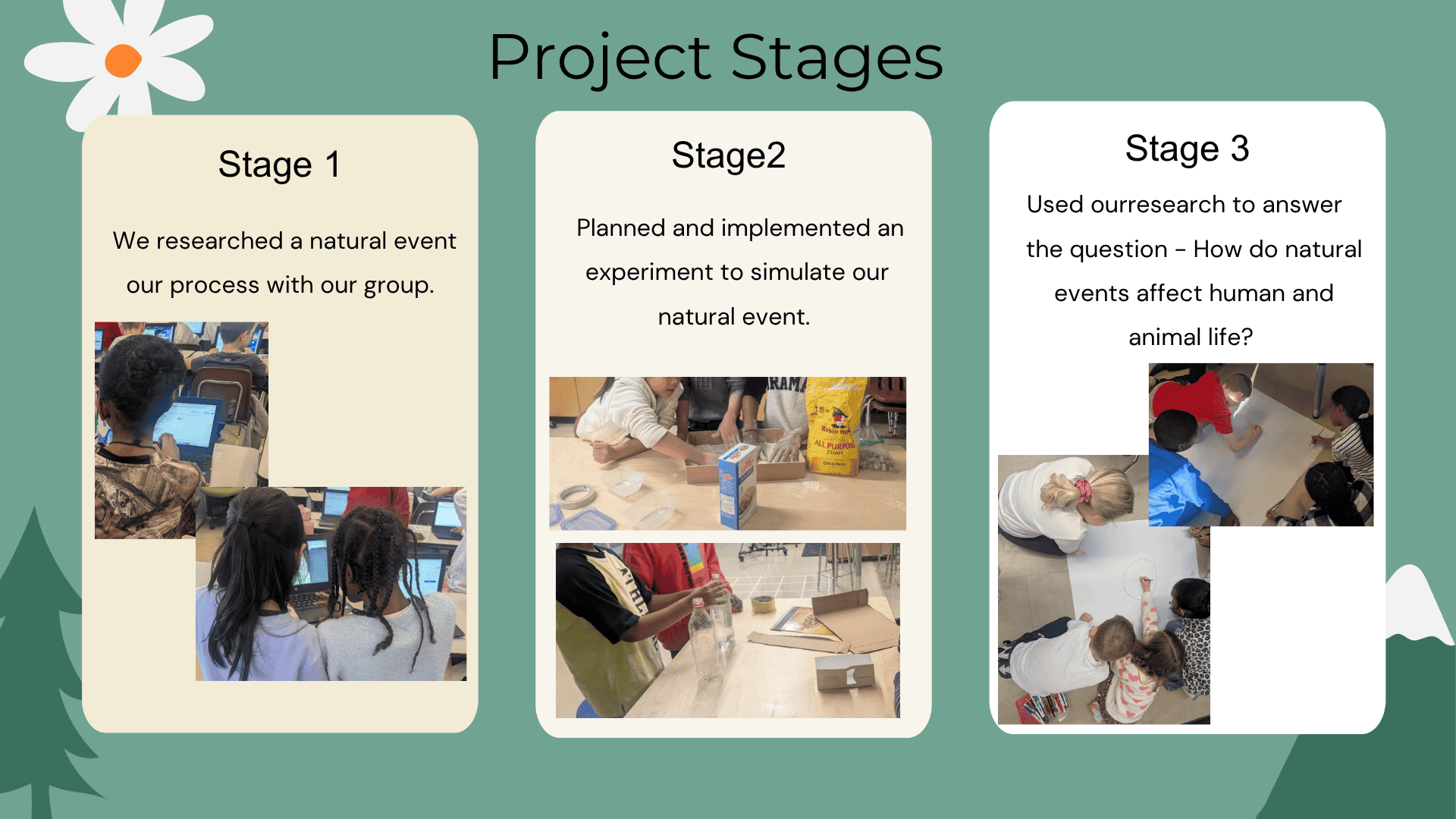
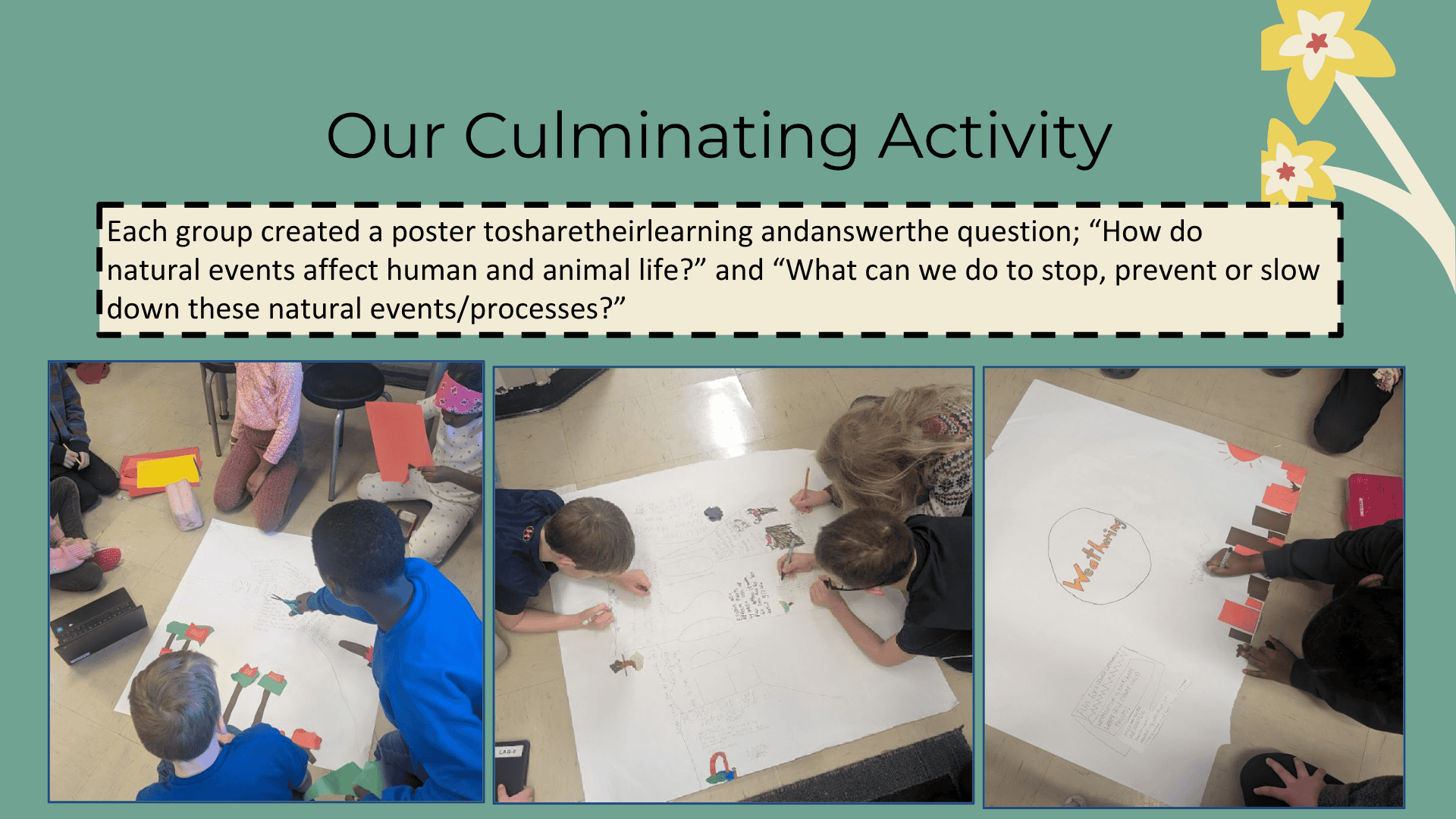
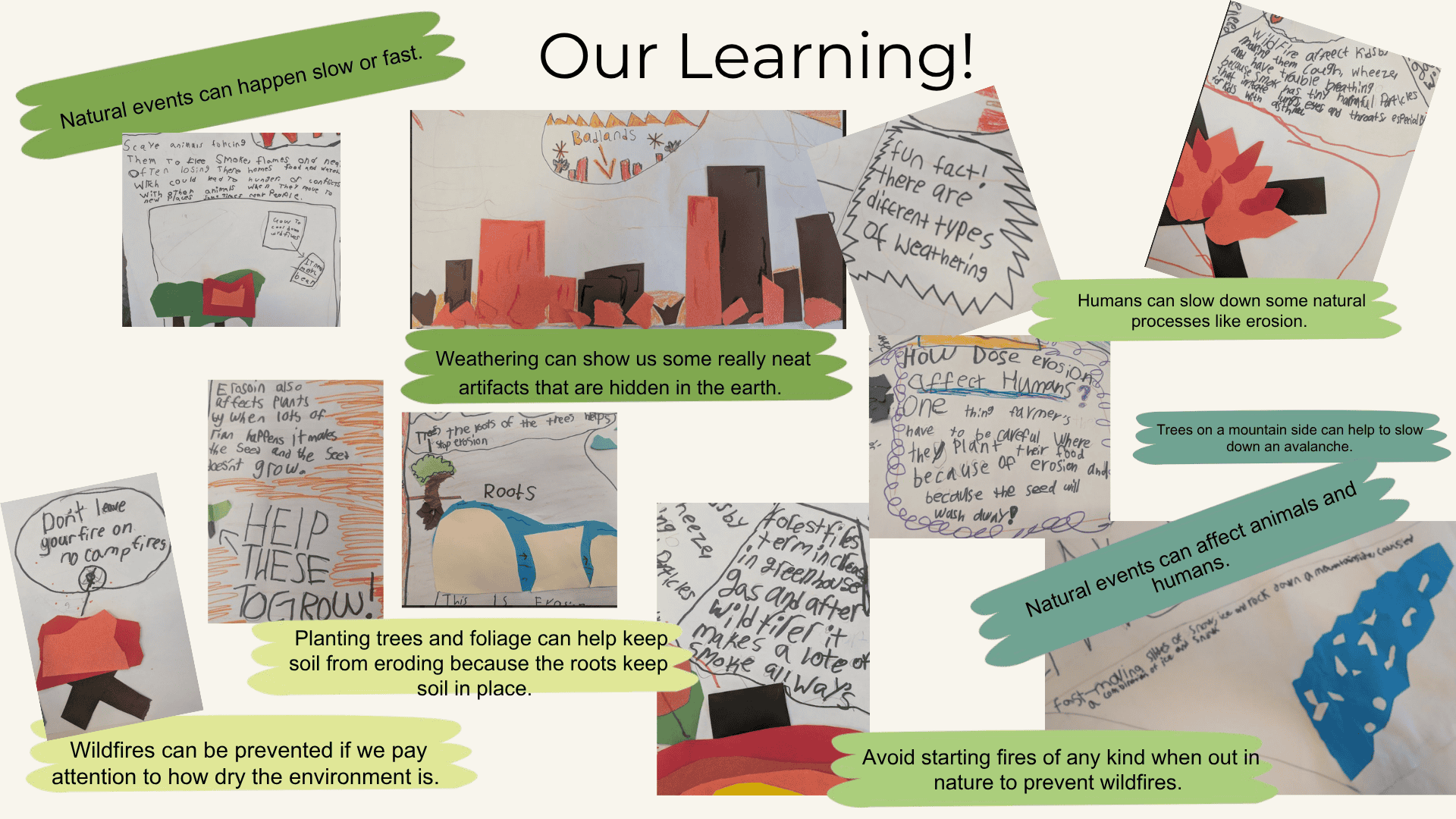
These events can happen slowly over time or fast. Natural events can affect human and animal life. We researched a natural event our process with our group. Planned and implemented an experiment to simulate our natural event. Used our research to answer the question - How do natural events affect human and animal life?

We learned that some natural events can negatively affect humans, animals and plants. As a class we discussed what humans can do to help preserve the environment by preventing or slowing down natural events like wildfires and erosion.

THIS CONSERVATION PROJECT WAS MADE POSSIBLE BY

Raymond James Ltd.


Our Lady of Mount Carmel | Kindergarten

PAY IT FORWARD


2026 CONSERVATION PROJECT 

Our Lady of Mount Carmel | Kindergarten

'Leaf Man' Collage

The purpose of our Leaf Collage project was to help kindergarten students explore the natural world through hands-on learning and storytelling. Before our nature walk, we read the picture book Leaf Man by Lois Ehlert, which inspired students to notice how natural materials can be used to create imaginative characters and scenes. This story set the stage for students to look at leaves in new, creative ways while encouraging observation skills, curiosity, and a deeper connection to nature.

We began our project by reading Leaf Man, a beautifully illustrated story that uses real leaves to form the characters and landscapes. Students discussed the artwork, pointed out different leaf shapes, and predicted where “Leaf Man” might travel next. This helped them understand that natural materials can become part of creative storytelling and art.

 Students walked through our schoolyard and nearby green space to look closely at trees, plants, and the colors and textures of autumn. Each child collected a small handful of fallen leaves, seeds, and natural items—just like the materials used in the book. Back in the classroom, students sorted their leaves by size, shape, and color. We talked about how leaves change, what trees need to grow, and how we might use the leaves in our own artwork. Design & Creation of Leaf Collages Inspired by Leaf Man, students arranged their leaves on cardstock to create collages. Some made animals, people, or scenes similar to the book, while others designed patterns or abstract art. Teachers assisted with arranging and gluing as needed. Reflection & Sharing Each child shared their collage with the class, describing the materials they chose and the idea behind their artwork. Students practiced speaking confidently and using descriptive language, similar to how we discussed the visuals in Leaf Man.
THIS CONSERVATION PROJECT WAS MADE POSSIBLE BY
Raymond James Ltd.

Our Lady of Mount Carmel | Kindergarten

PAY IT FORWARD


2026 CONSERVATION PROJECT 

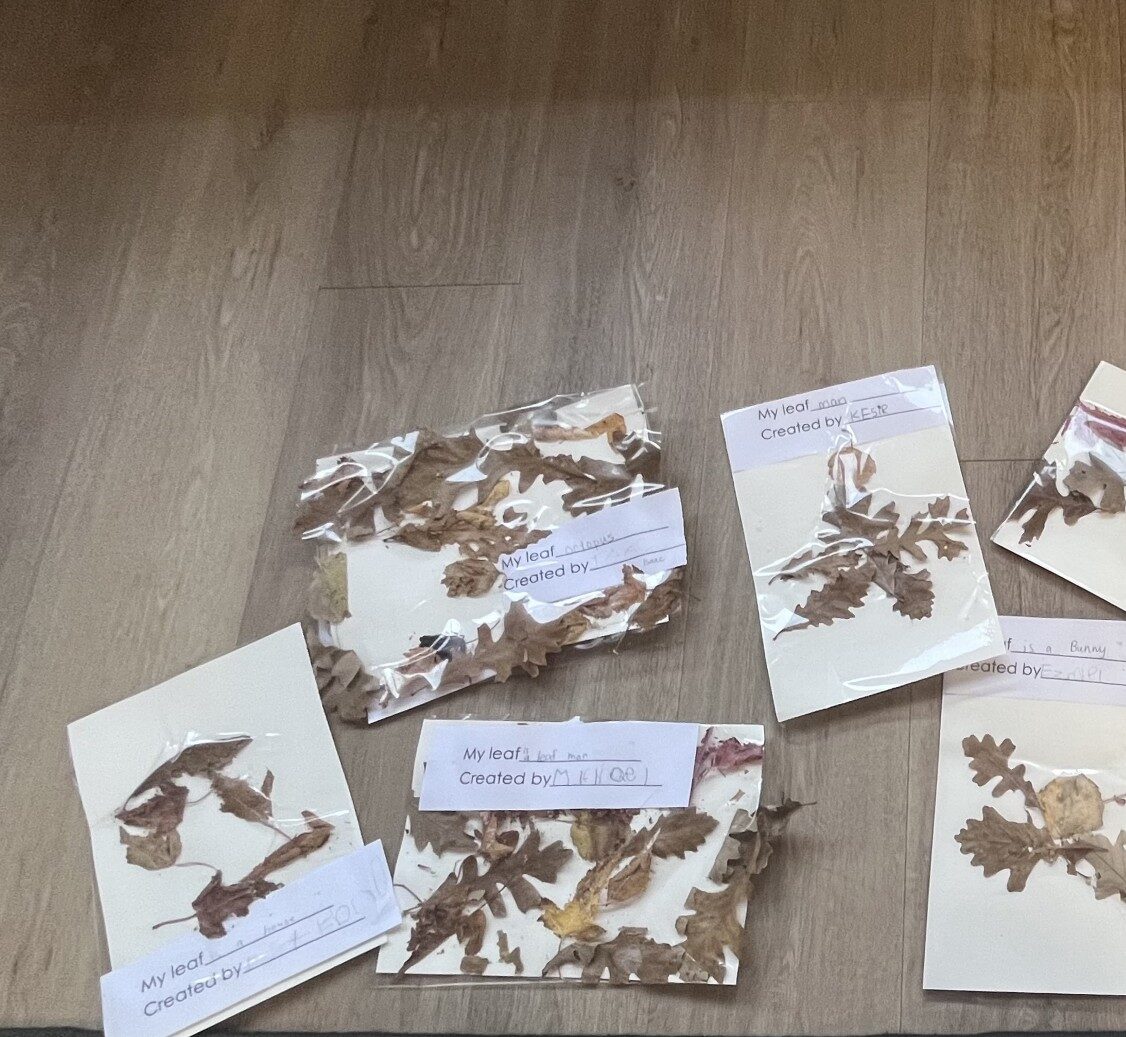
Eight instances of leaf-based artwork created by students. Each one displayed on manilla paper using a variety of dried leaves and sticks.
Our Lady of Mount Carmel | Kindergarten

Leaf Man Collage

Through the Leaf Man Collage project, Kindergarten students of Our Lady of Mount Carmel engaged in nature-based learning, exploring seasonal changes and nature through creativity and play.

The purpose of our Leaf Collage project was to help kindergarten students explore the natural world through hands-on learning and storytelling. Before our nature walk, we read the picture book "Leaf Man" by Lois Ehlert, which inspired students to notice how natural materials can be used to create imaginative characters and scenes. This story set the stage for students to look at leaves in new, creative ways while encouraging observation skills, curiosity, and a deeper connection to nature.

We began by reading Leaf Man, a beautifully illustrated story that uses real leaves to form the characters and landscapes. Students discussed the artwork, pointed out different leaf shapes, and predicted where “Leaf Man” might travel next. This helped them understand that natural materials can become part of creative storytelling and art.

Students walked through our schoolyard and nearby green space to look closely at trees, plants, and the colors and textures of autumn. Each child collected a small handful of fallen leaves, seeds, and natural items—just like the materials used in the book.

Back in the classroom, students sorted their leaves by size, shape, and color. We talked about how leaves change, what trees need to grow, and how we might use the leaves in our own artwork.

Inspired by Leaf Man, students arranged their leaves on cardstock to create collages. Some made animals, people, or scenes similar to the book, while others designed patterns or abstract art. Teachers assisted with arranging and gluing as needed.

Each child shared their collage with the class, describing the materials they chose and the idea behind their artwork. Students practiced speaking confidently and using descriptive language, similar to how we discussed the visuals in Leaf Man.

THIS CONSERVATION PROJECT WAS MADE POSSIBLE BY
UNION 52 BENEVOLENT SOCIETY.